It’s been nearly two months since my fiancé and I moved from Portland, Oregon to Cape Town, South Africa. We learned a lot during the move — not everything went smoothly — but we picked up practical tips that made settling in easier. Below I’ve rewritten what we learned to help anyone planning an international move.
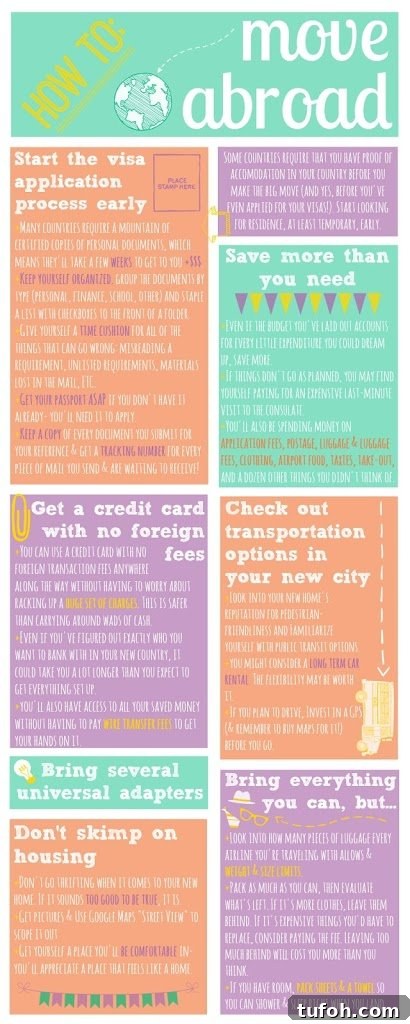
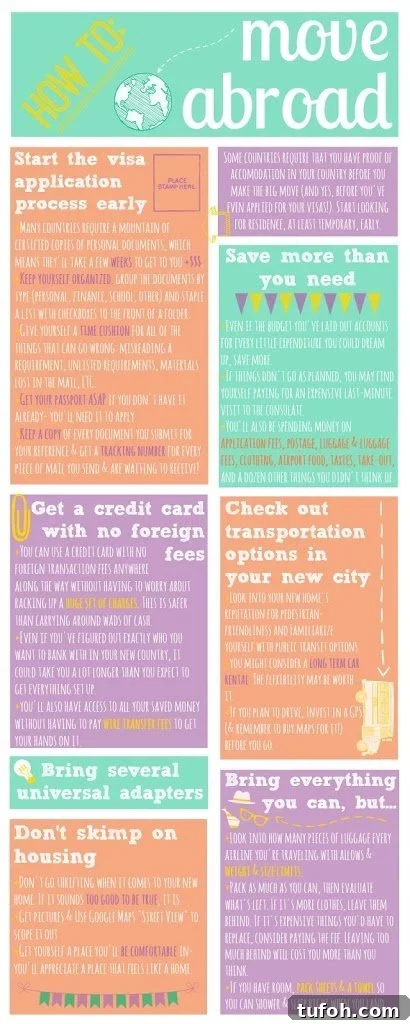
Start the visa application process early.
Even if a government website says a visa takes only a few days, begin the moment you decide to move. Many countries require certified copies of documents that take time and fees to obtain. Order them early and allow time for unexpected delays like misread requirements, lost mail, or additional documents being requested. You’ll often need your passport to apply, so get or renew your passport as soon as possible.
Organize documents in a folder with sections (personal, financial, education, other) and a checklist on the front. This keeps everything easy to find and reduces stress as you collect paperwork. Some countries also require proof of residence or accommodation before finalizing visa paperwork — start searching for temporary or permanent housing early to meet those requirements.
Get tracking numbers for every piece of mail you send or receive.
Always buy tracking when mailing anything related to visas or important documents, including prepaid return envelopes. If you’re expecting a package or letter, request tracking so you can follow its progress. Keep receipts for postage and tracking numbers until your move and the related tasks are complete. These details can save you time and money if something goes missing.
Save more money than you expect to need.
Budget generously. Unexpected expenses come up: last-minute trips to a consulate, extra application fees, postage, luggage fees, new wardrobe items for a different climate, airport meals, taxis, and other incidentals add up quickly. We had to fly to a consulate days before departure because our visas weren’t ready, which was an expensive surprise. Build a cushion beyond your best estimates so you won’t be scrambling financially if plans change.
Get a credit card with no foreign transaction fees.
Use a credit card that charges no foreign transaction fees to avoid extra costs while traveling and after arrival. It’s safer than carrying large amounts of cash and gives you more access to your funds without frequent bank transfers. Even after settling in, opening a local bank account can take longer than expected, so a fee-free international card fills the gap. Make sure it’s a widely accepted network like Visa or Mastercard.
Check transportation options in your new city.
Research whether the city is walkable and if public transportation is reliable. Familiarize yourself with routes near your home, school, or workplace before you leave. Sometimes a bus stop might be farther than walking to a destination, or services may change at certain times of day — know those quirks ahead of time.
If you need a car, decide whether to buy or rent long term. Monthly rentals or student discounts can be an affordable temporary solution while you learn the area. Having a vehicle enabled us to explore more and accomplish much more in our first weeks than we would have without one. If you plan to drive, prepare a GPS and mount and pre-load maps and key addresses like your temporary accommodation, new home, rental agency, and essential stores.
Invest in several universal outlet adapters.
Universal adapters are essential, but remember voltage differences: not every device will work safely even with an adapter. Some high-voltage equipment may need a voltage converter or a locally rated replacement. We had an unfortunate experience with a power strip, which underscored the importance of checking device compatibility.
Bring everything you can, but be strategic.
Check airline baggage allowances for each carrier on your itinerary and pack within those limits. Bring essentials that will see heavy use: basic clothing you can mix and match, comfortable shoes, and a few versatile pieces rather than many similar items. Evaluate what you truly need vs. what can be bought locally.
If leaving behind expensive or hard-to-replace items would cost more than an extra baggage fee, consider paying for the additional bag. Remember you may need to carry or recheck luggage during layovers, so pack with mobility in mind. Also bring a towel, sheet, or small blanket if you have space — many furnished rentals don’t include linens and arriving after a long trip without them is uncomfortable.
Don’t skimp on housing.
Choose housing carefully. If a deal looks too good, investigate thoroughly. Ask landlords for detailed descriptions and photos, and use online maps and street views to confirm location and proximity to grocery stores, transit, and other essentials. Renting sight unseen is risky, so get as much information as possible to avoid unpleasant surprises.
Prioritize a comfortable, safe place since you’ll be dealing with jet lag, culture shock, and homesickness. Feeling secure in your home makes adjusting to a new country much easier.
Things will go wrong, but everything will still work out.
We had moments of panic and uncertainty, but ultimately we arrived and began settling into our new life. Problems will arise, but with patience, planning, and flexibility you can resolve them. Focus on what you can control, take things step by step, and remember that setbacks are part of the process. The experience of moving abroad was challenging, but it has also been rewarding and worth the effort.