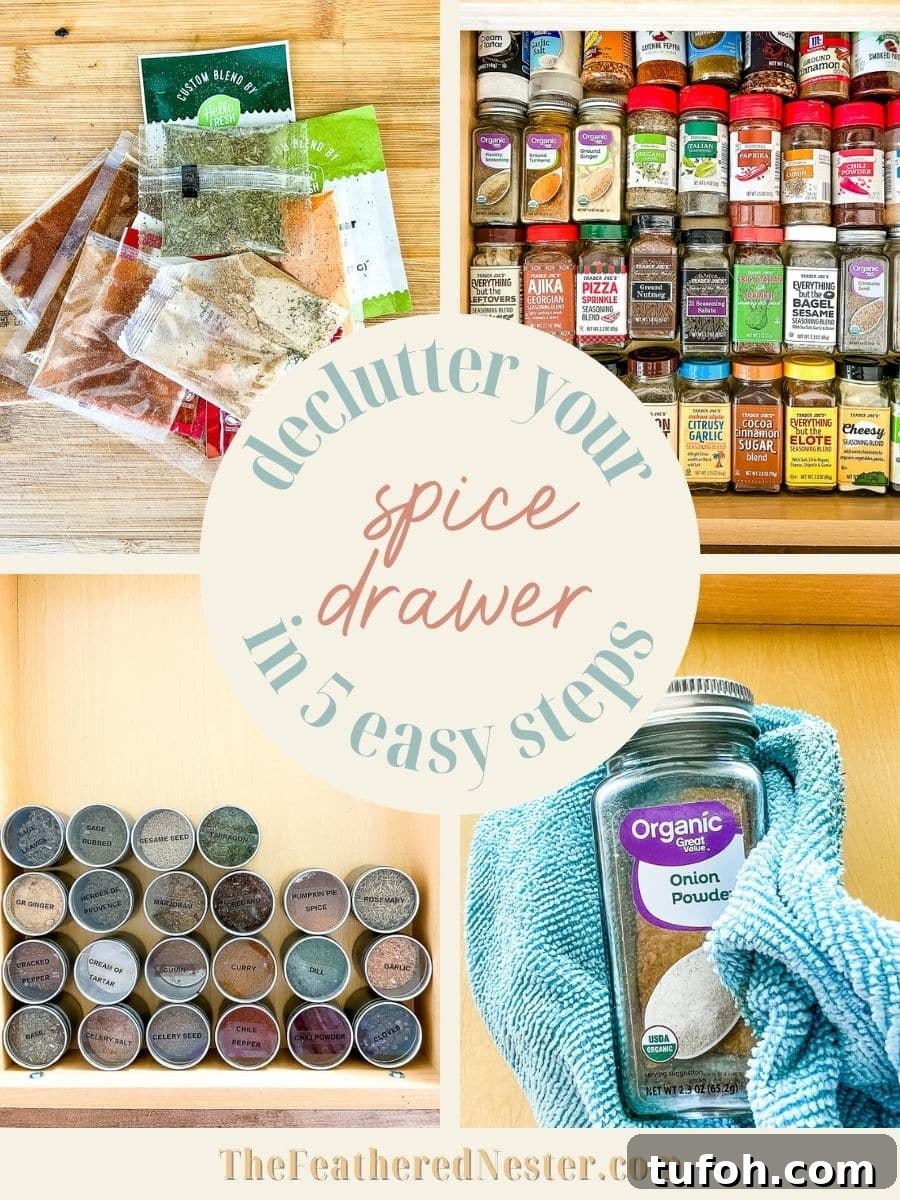
Adding “how to organize spices” to your deep-clean routine keeps your kitchen tidy and makes cooking more efficient. Group seasonings by how often you use them, check expiration dates, and arrange jars so everything is fresh and easy to reach. A few simple steps to organize spices in a rack, drawer, or cabinet will streamline meal prep and reduce clutter.
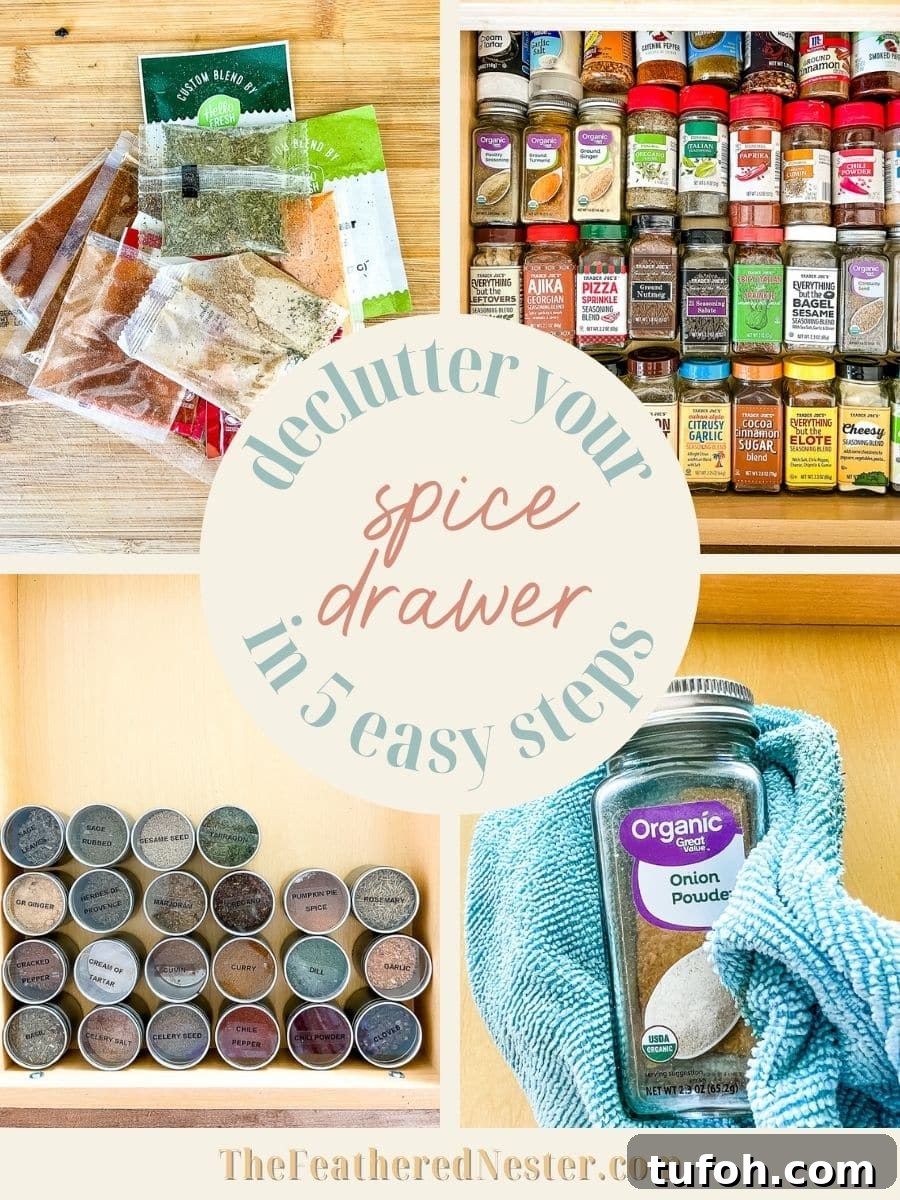
When organizing spices in a drawer, adopt a system that maximizes space and keeps items accessible. Use uniform jars or tins with clear labels for a cohesive look. A tiered insert, basket, or drawer organizer helps separate frequently used staples from specialty spices so you can grab what you need quickly. If you buy in bulk, store extras in airtight containers and refill smaller jars. With a structured layout, you’ll save time and always have the right flavors at your fingertips.
Why Declutter Your Spice Drawer?
- Keep spices fresh and avoid waste
Organizing spices helps you track expiration dates so you replace old seasonings before they lose flavor. No more digging through expired jars or last-minute trips to the store. - Save space and avoid duplicates
Sorting your collection reveals which spices you use regularly and which you don’t, preventing duplicate purchases and freeing space in your drawer organizers or shelves. - Make cooking easier and more efficient
A tidy spice system speeds up meal prep. Use a shoebox, tiered rack, or insert to keep everything within reach. Once set up, maintaining your spice drawer is a quick task done once or twice a year.
Special Note from Renae
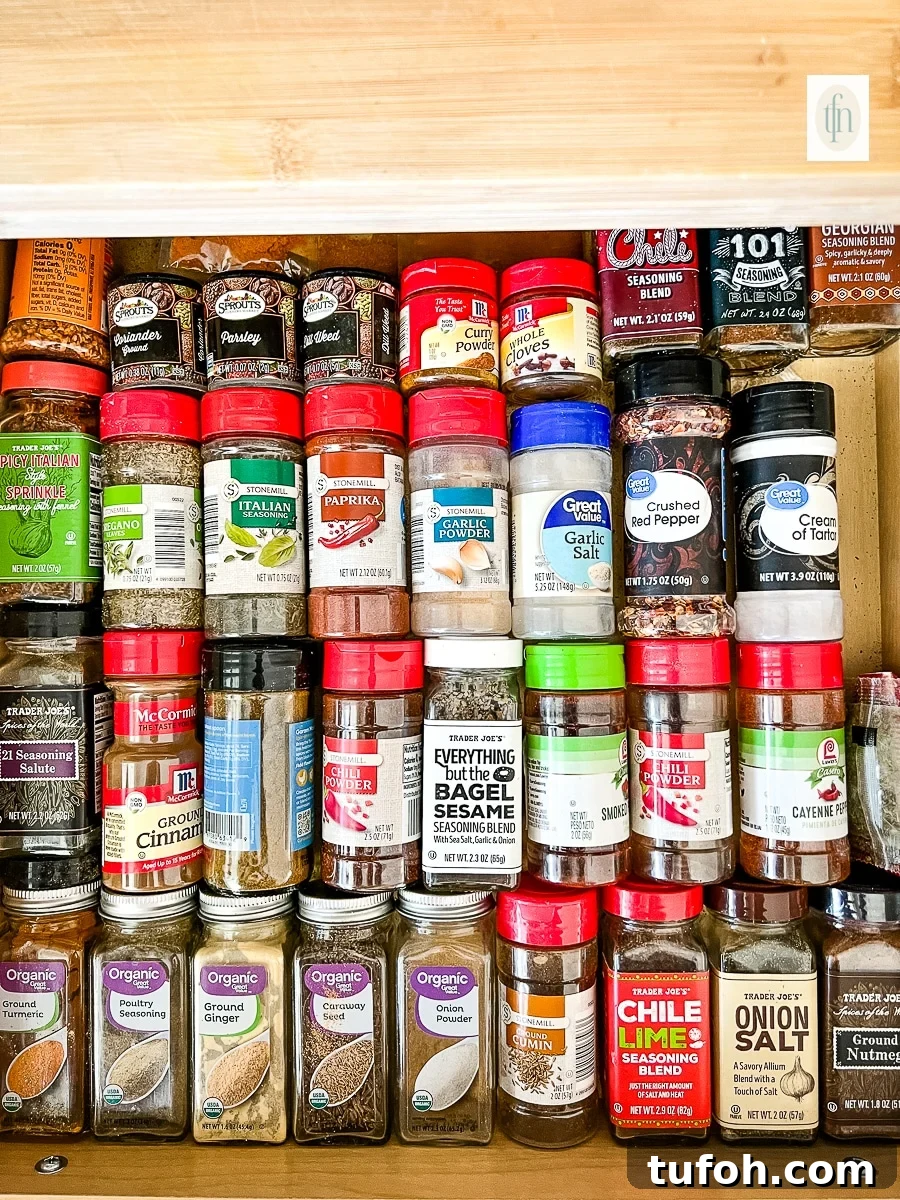
As a food blogger I store about 100 spices and seasonings, so I use shelving attached to my pantry rather than a small drawer. Many people, however, prefer a drawer near the stove, so I recently decluttered my daughter’s spice drawer to test a compact system.
Below is her collection before organizing.
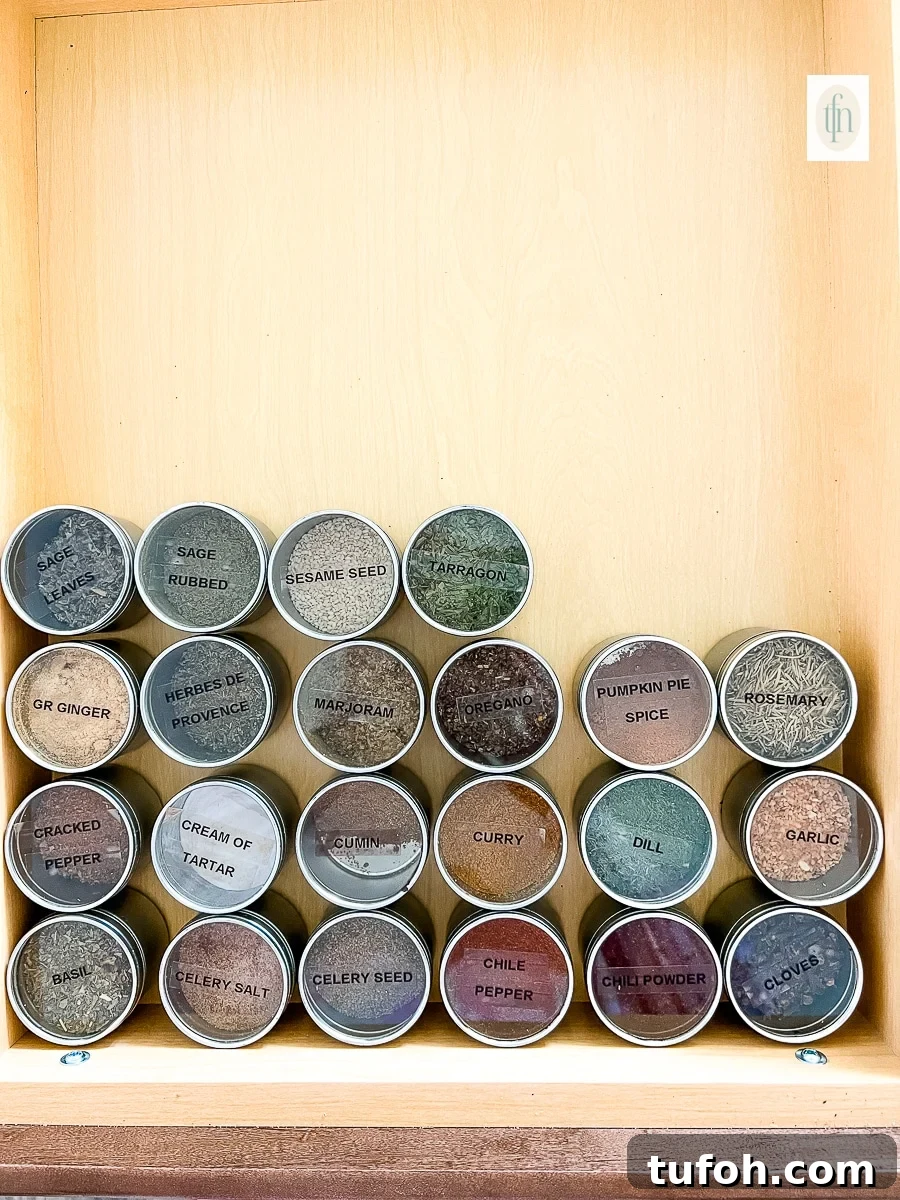
After decluttering and organizing, we used metal, clear-topped, food-safe tins for a clean, uniform look that’s practical and attractive.
How to Organize Spices in a Drawer in 5 Easy Steps
- Empty the drawer.
Remove all bottles and anything else stored there. Discard the contents of nearly empty containers. Starting with a blank canvas makes the rest much easier.
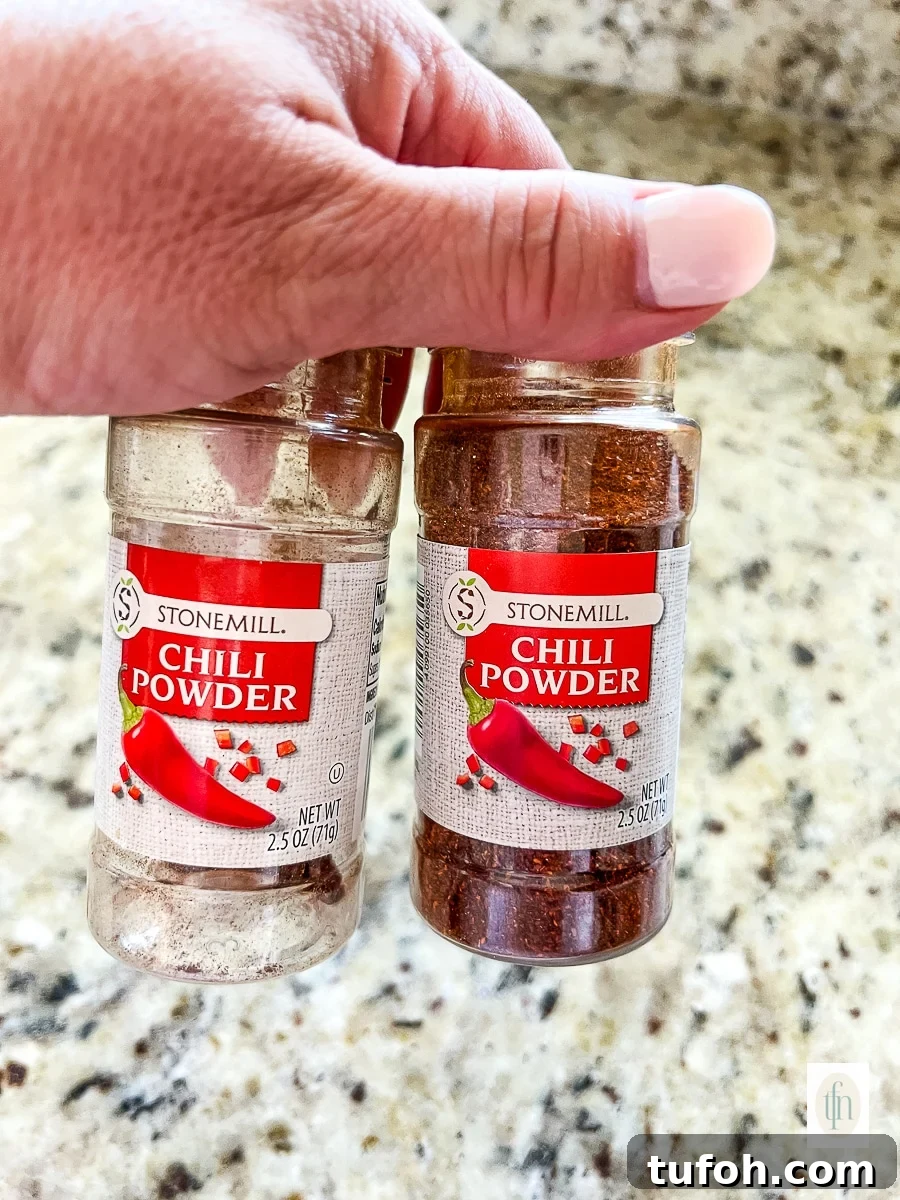
Can you use spices past the expiration date? Possibly, but they lose potency. Consider these points:
- Spices past the use-by date are generally safe but lack flavor and aroma.
- We recommend replacing seasonings that have been in the cabinet for more than six months if flavor is important to you.
- If you find duplicate containers and they’re still fresh, condense them into one jar to save space.
🎯 TFN Pro Tip
Keep empty containers in good condition to reuse for new spices, or recycle and repurpose them for other kitchen uses.
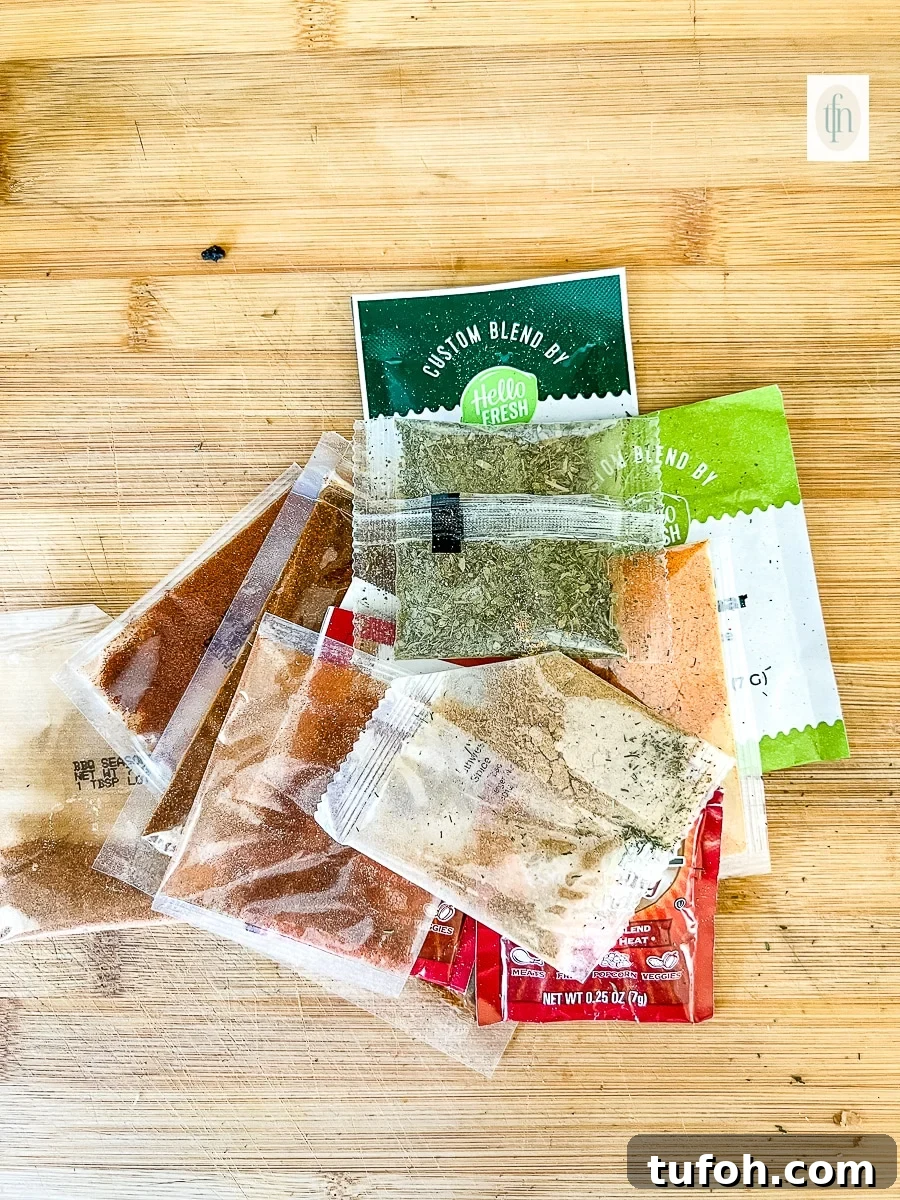
Also clear out any restaurant sauce packets you haven’t used in months; if they’re still there, chances are you won’t use them soon.
- Clean and disinfect inside and out.
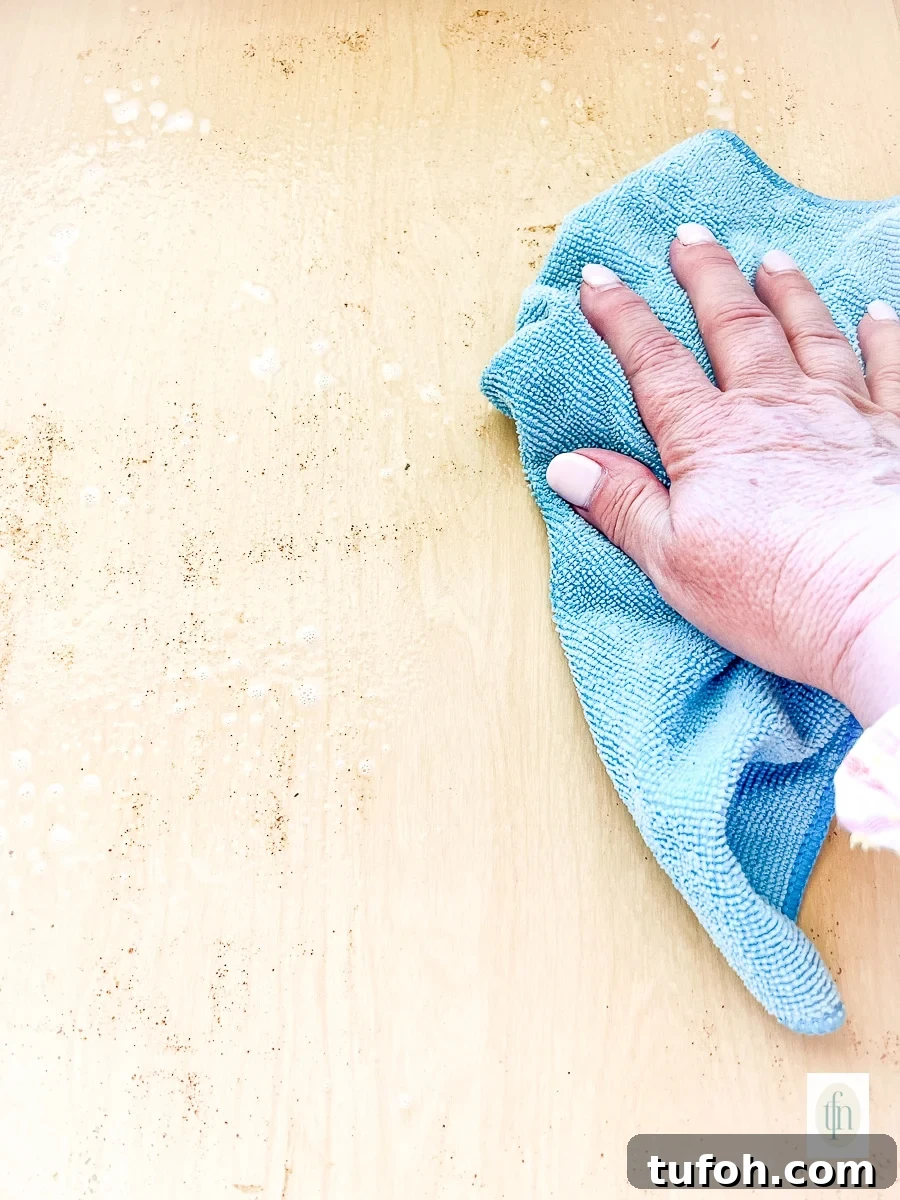
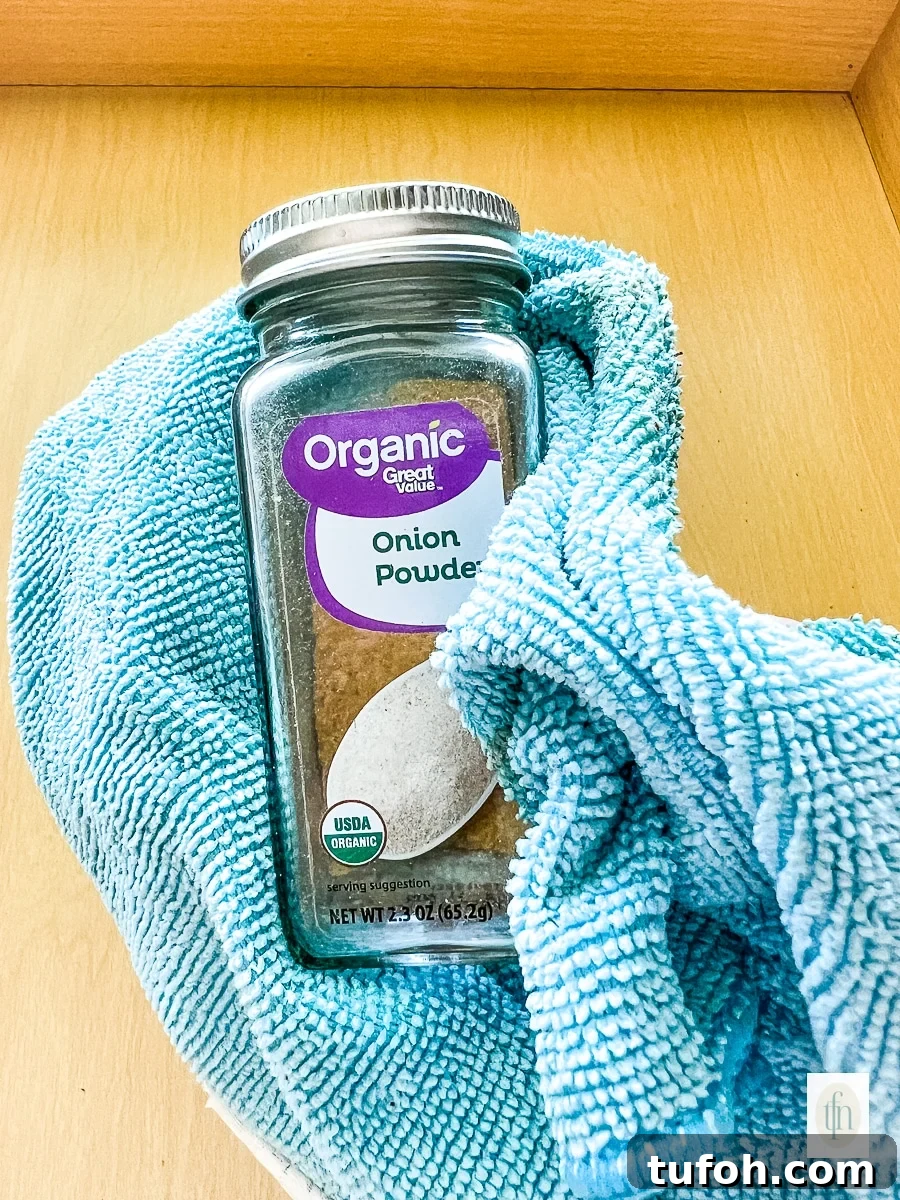
Wipe down the drawer, handle, and surrounding surfaces to remove dust, spills, and bacteria. Cross-contamination can happen easily—especially when handling raw foods—so use food-safe disinfecting wipes and a microfiber cloth to get into corners.
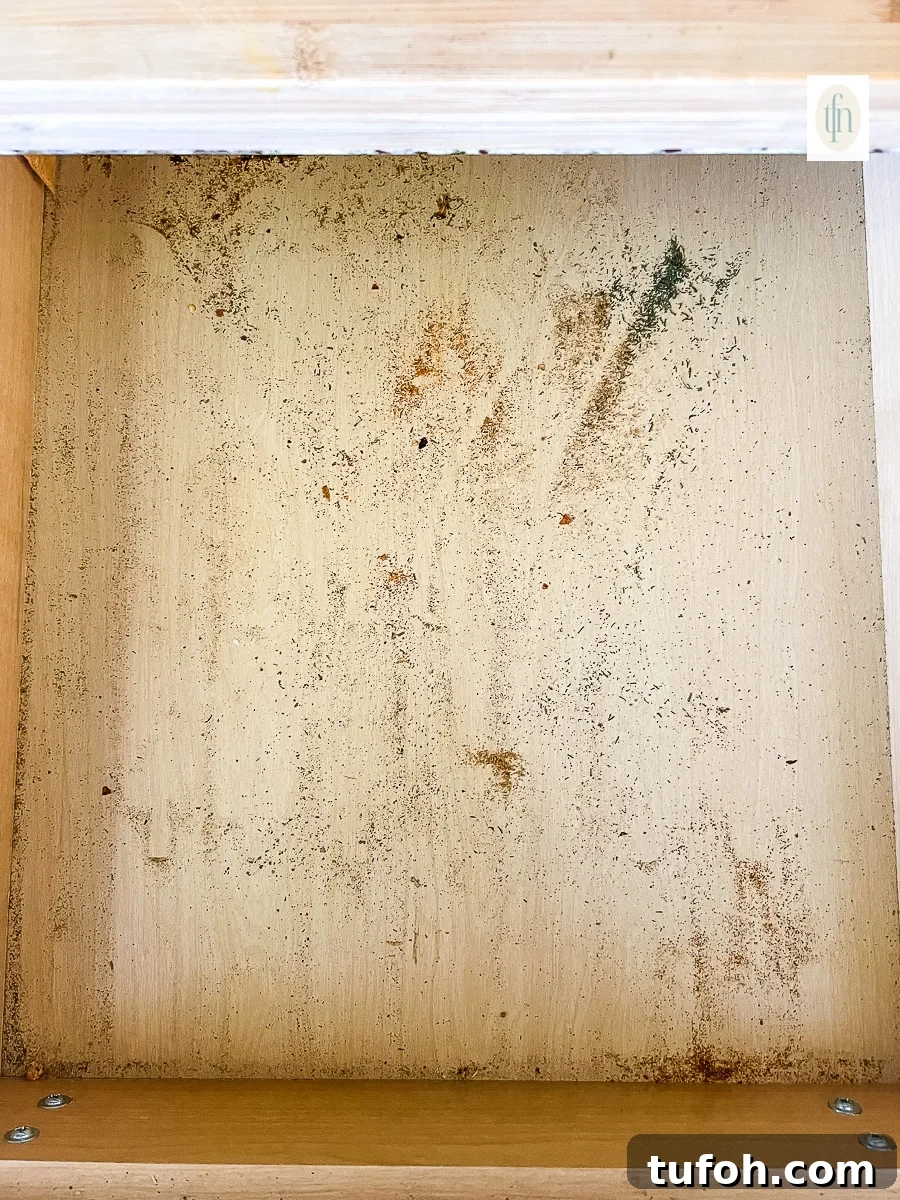
Dust and ground spices collect in tight corners; a handheld vacuum helps for larger debris, but a damp microfiber cloth or food-safe wipe works best for remaining residue and crevices.
- Wash and dry any empty jars or bottles.
Remove old labels with a commercial label remover or oil and a plastic scraper. Let jars dry completely before refilling to avoid clumping. A quick hair-dryer blast speeds up drying if you need to refill right away.
🎯 TFN Pro Tip
Use a hair dryer to dry the insides of spice jars after washing—it’s much faster than air drying.
- Refill and label the bottles.
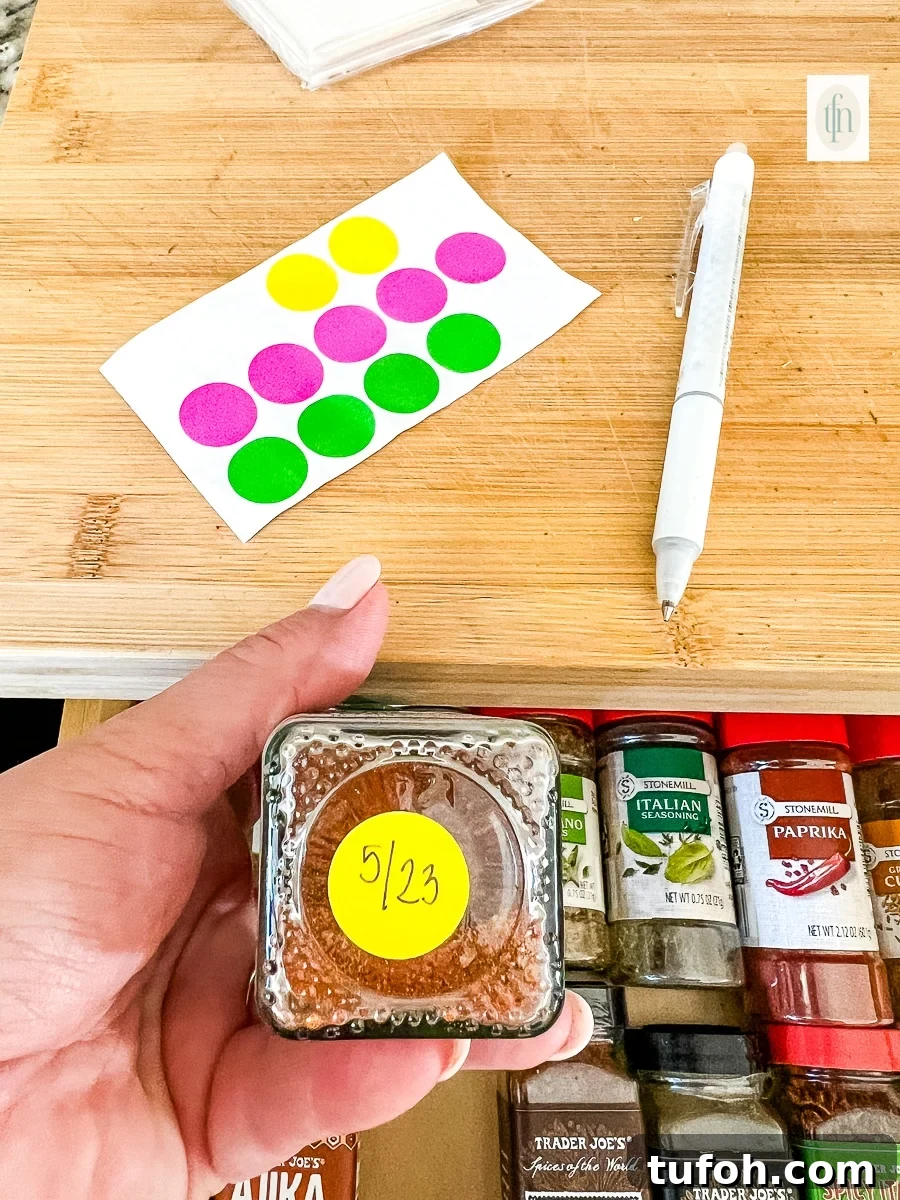
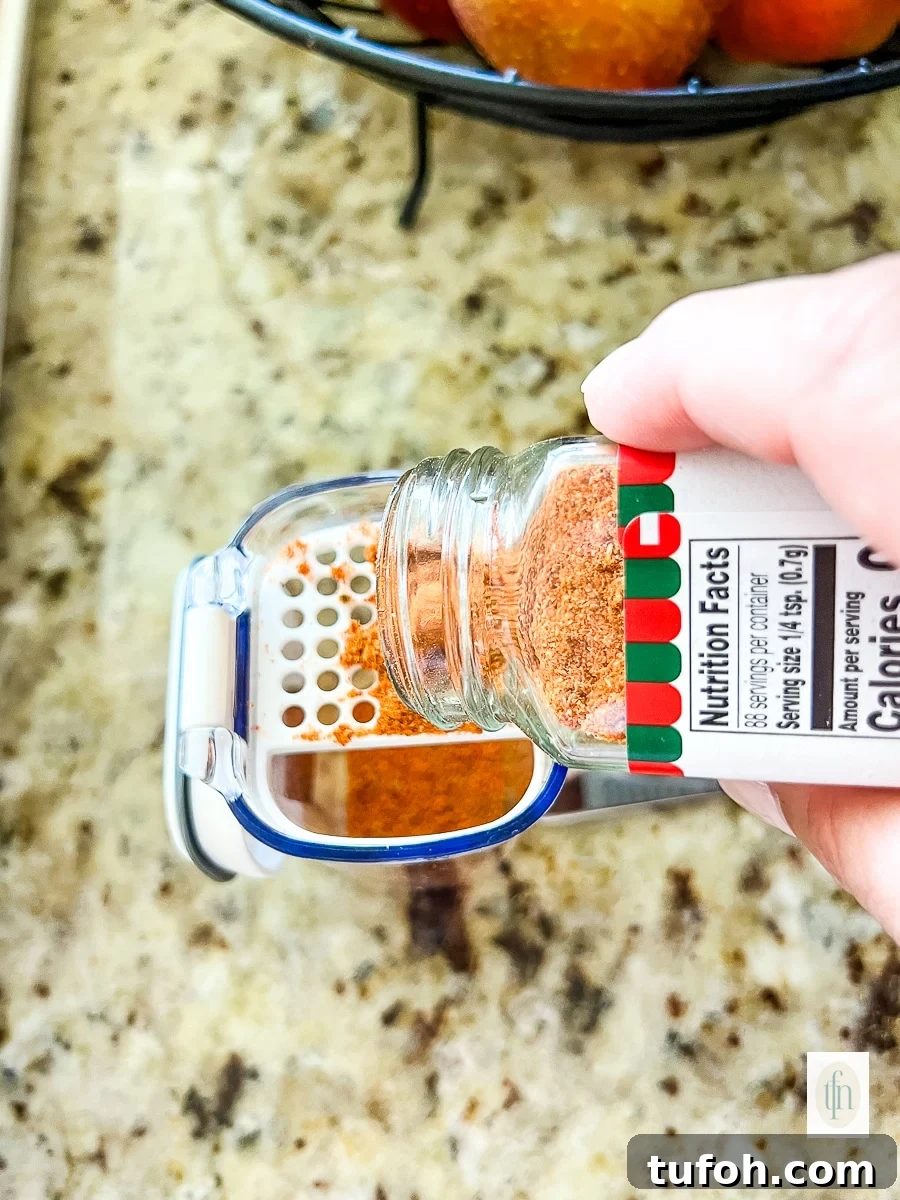
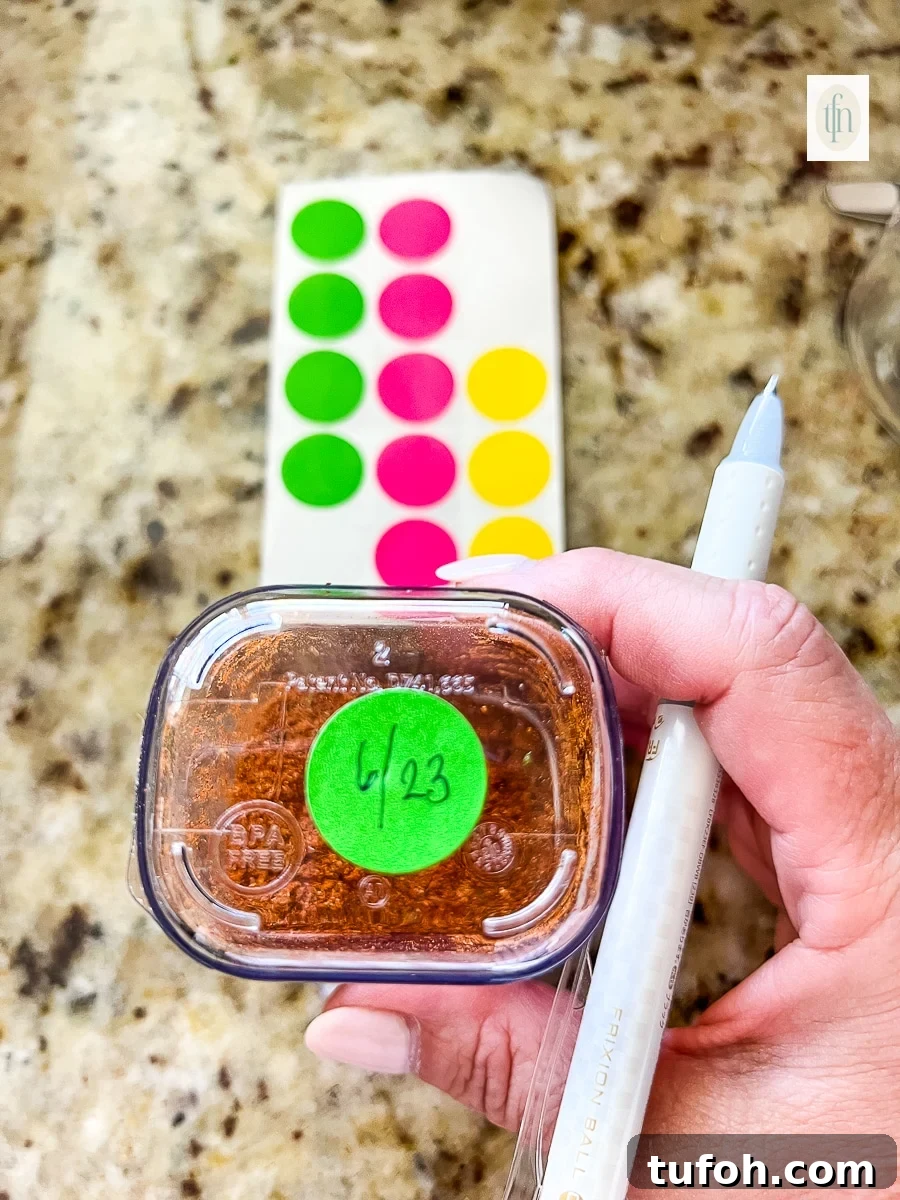
Label each container and note the date opened on the bottom to track freshness. A small funnel makes filling small-mouth jars fast and tidy.
- Use an insert or drawer spice rack to stay organized.
A spice-rack insert or fitted organizer keeps jars in place so they don’t roll when you close the drawer. Choose an insert that fits your jar size and drawer depth for the best results.
🎯 TFN Pro Tip
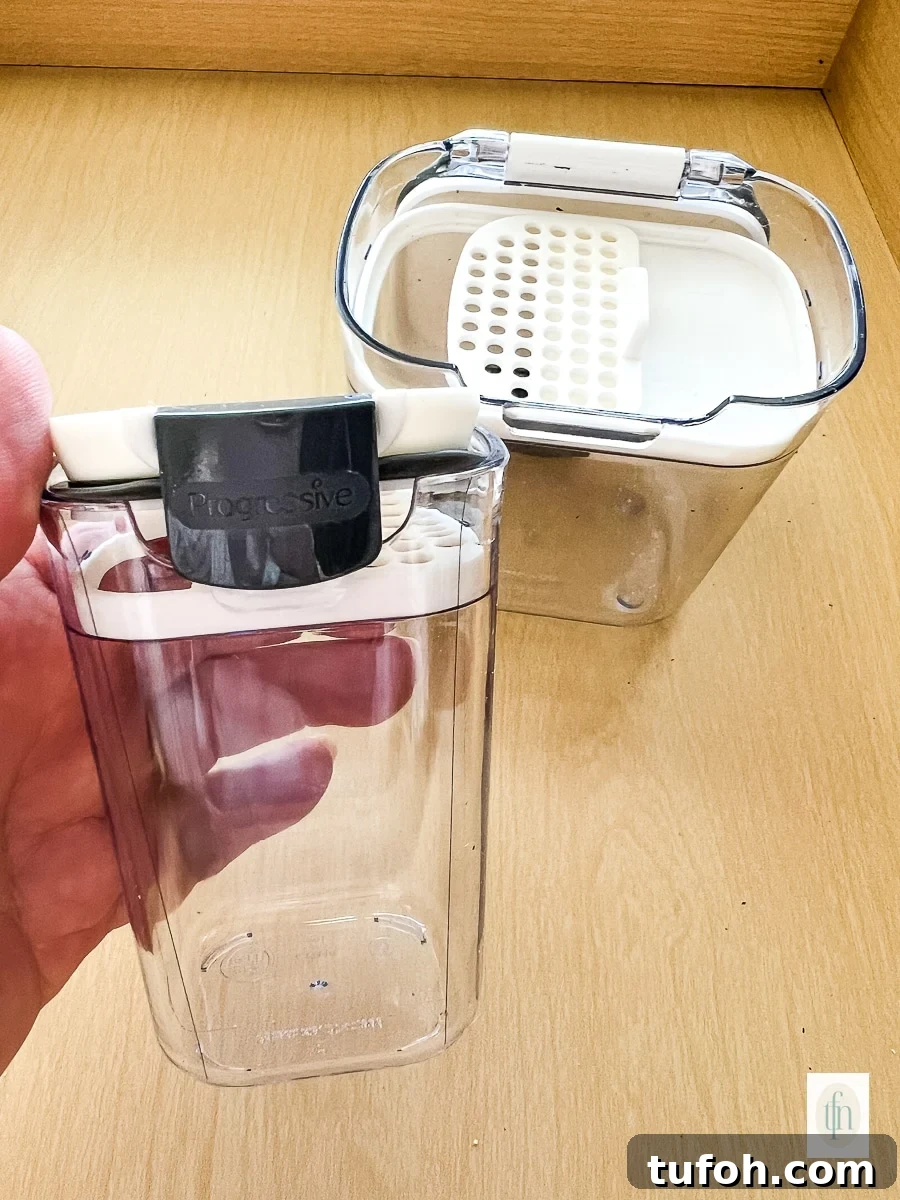
If standard tins don’t fit your space, look for dual-purpose containers that offer both a wide opening for measuring and a shaker top for sprinkling—practical for daily use in a drawer system.
Organize spices by cuisine, type, expiration date, or frequency of use—whichever method suits your cooking style. Many people group whole spices together and keep everyday seasonings like salt, black pepper, red pepper flakes, and garlic powder within easy reach. Using glass jars makes it easy to see contents and avoid buying duplicates. Over time you’ll refine the arrangement to match your routine.
Tips on Organizing Spices in a Drawer
- Keep spices dry by placing silica gel packets or a small container of baking soda in the drawer to absorb moisture.
- Schedule a quick sort every six months to toss expired items and restock. Keep a shoebox or bin nearby for overflow or refills.
- Don’t replace seasonings you rarely use. Look for substitutions among staples before buying another specialty spice.
- Use uniform jars to create a streamlined, tidy drawer. Transfer bulk purchases into matching containers for a neat appearance.
- Add a non-slip drawer liner to prevent jars from shifting when you open and close the drawer.
Frequently Asked Questions
It depends. Whole spices like peppercorns, mustard seed, and saffron last longer than ground spices such as paprika, chili powder, and garlic powder. Dried herbs expire faster than whole spices but typically last longer than ground seasonings.
Organizing a spice cabinet or wall rack follows the same principles as a drawer: empty, clean, refill, and arrange items in a logical order that matches your cooking habits. Racks are great for visibility but may use counter space.
The best approach depends on your cooking habits and space. Many people use a drawer organizer, tiered insert, or labeled jars and group spices by cuisine, type, or frequency of use for convenience.
Glass jars are preferred because they help preserve freshness and prevent flavor absorption. Plastic can degrade over time, especially with heat and light exposure.
Yes. Transfer smaller daily-use portions into labeled jars and keep the rest in airtight containers in a cool, dark pantry.
Keep commonly used spices like salt, black pepper, red pepper flakes, garlic powder, and paprika at the front of the drawer. Less-used spices can be stored toward the back or on a higher shelf.
If a spice has lost its flavor, repurpose it for DIY potpourri, homemade cleaning scrubs, or garden pest repellents instead of simply throwing it away.
More Home and Kitchen Tips To Love…
- How to Layer a Bed Like a Designer
- How to Store Sourdough Bread
- How to Make Dried Strawberries
- Shredded Carrots Recipe
If you try these organizing tips, please leave a star rating and share how it went in the comments. Thanks for visiting!