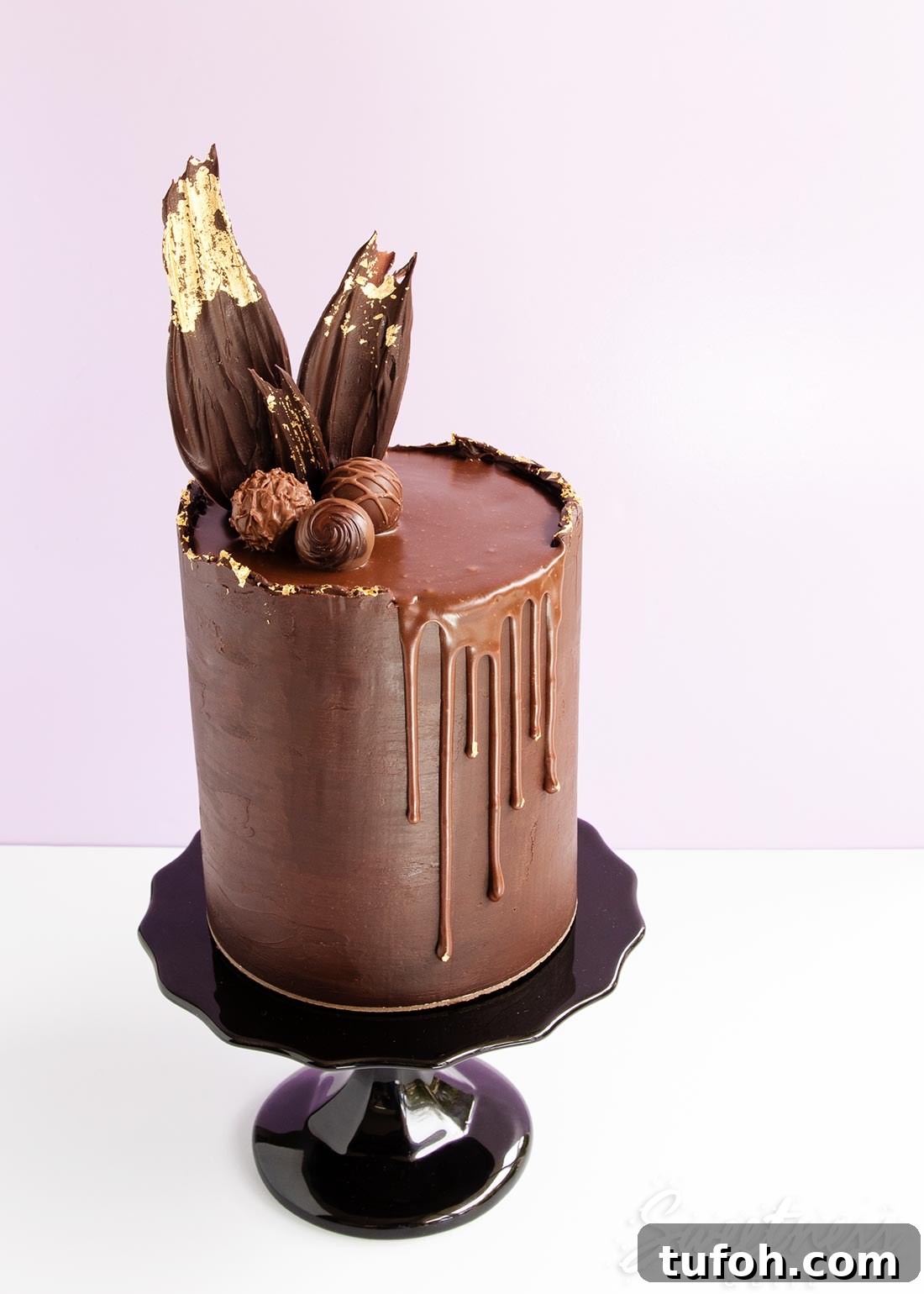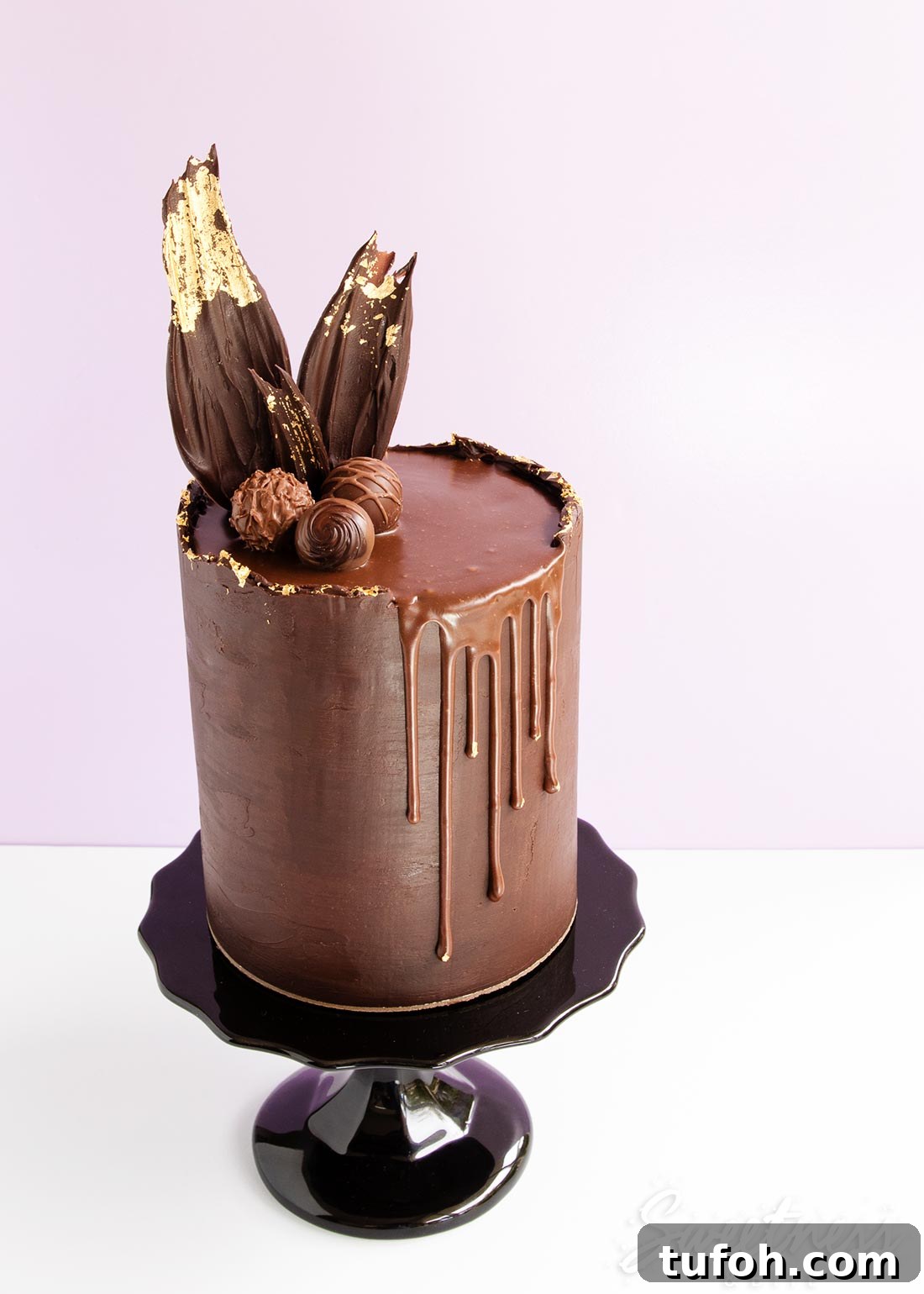
Learn how to make a rough-edge ganache cake with gold leaf, a glossy ganache drip and chocolate shards. This decadent, versatile design can be customised with your favourite chocolates and colours.
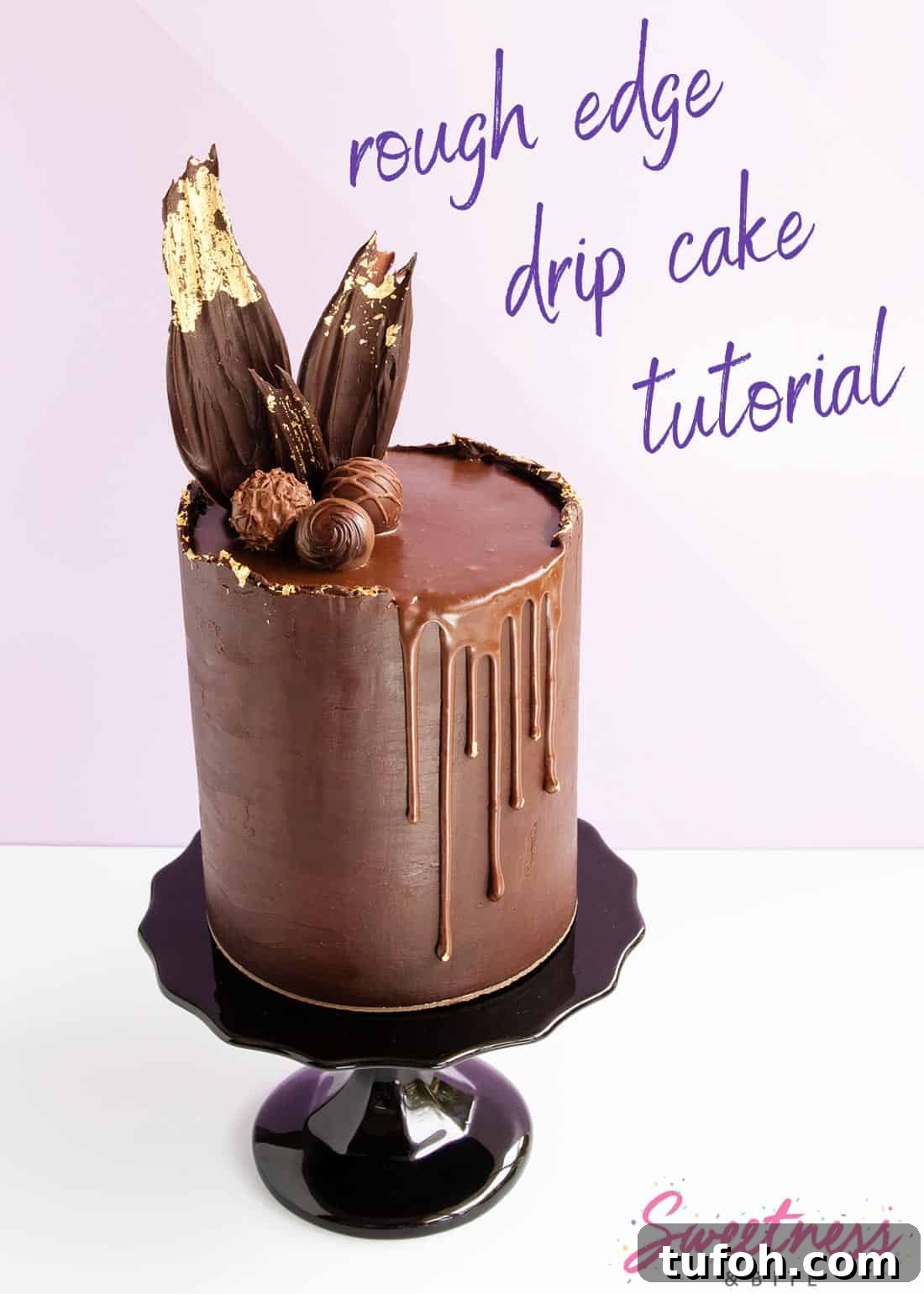
Rough-edge cakes gained popularity in recent years and sparked lively debate among bakers and the public — people often either love them or dislike them. I, however, find them charming. They offer a relaxed, textural contrast to the polished, sharp-edged buttercream and perfectly smooth ganache that many of us admire.
I’m a fan of clean, sharp finishes too, but these rough edges create dramatic interest: the ganache pools and drips from the gaps in the edge like a luxurious infinity pool. And best of all, it’s chocolate.
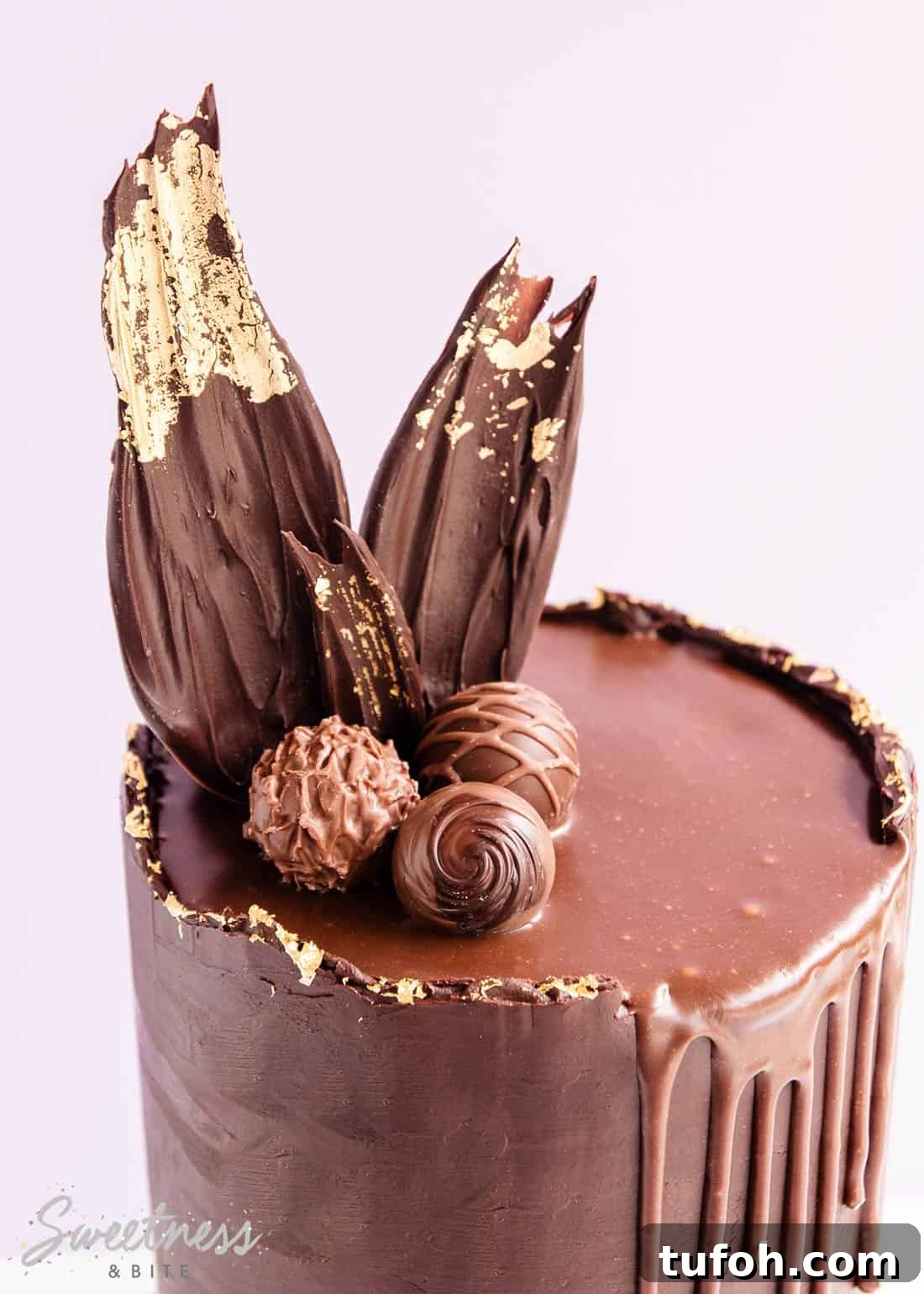
I became a little obsessed and made several of these in a short span of time, including a two-tier version for a friend’s birthday. They’re surprisingly simple to adapt: swap chocolates, change colour, add metallic leaf or keep it minimalist.
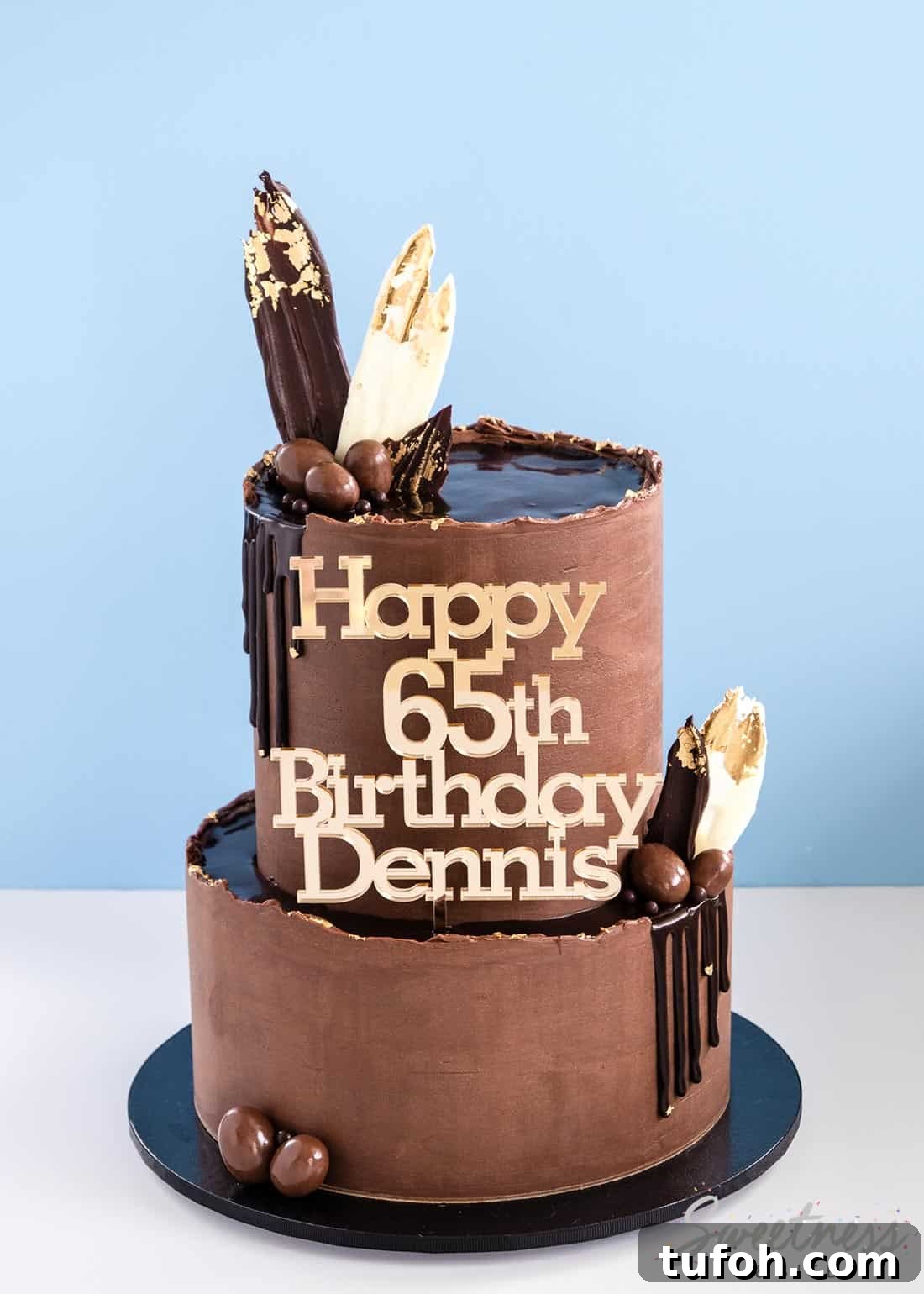
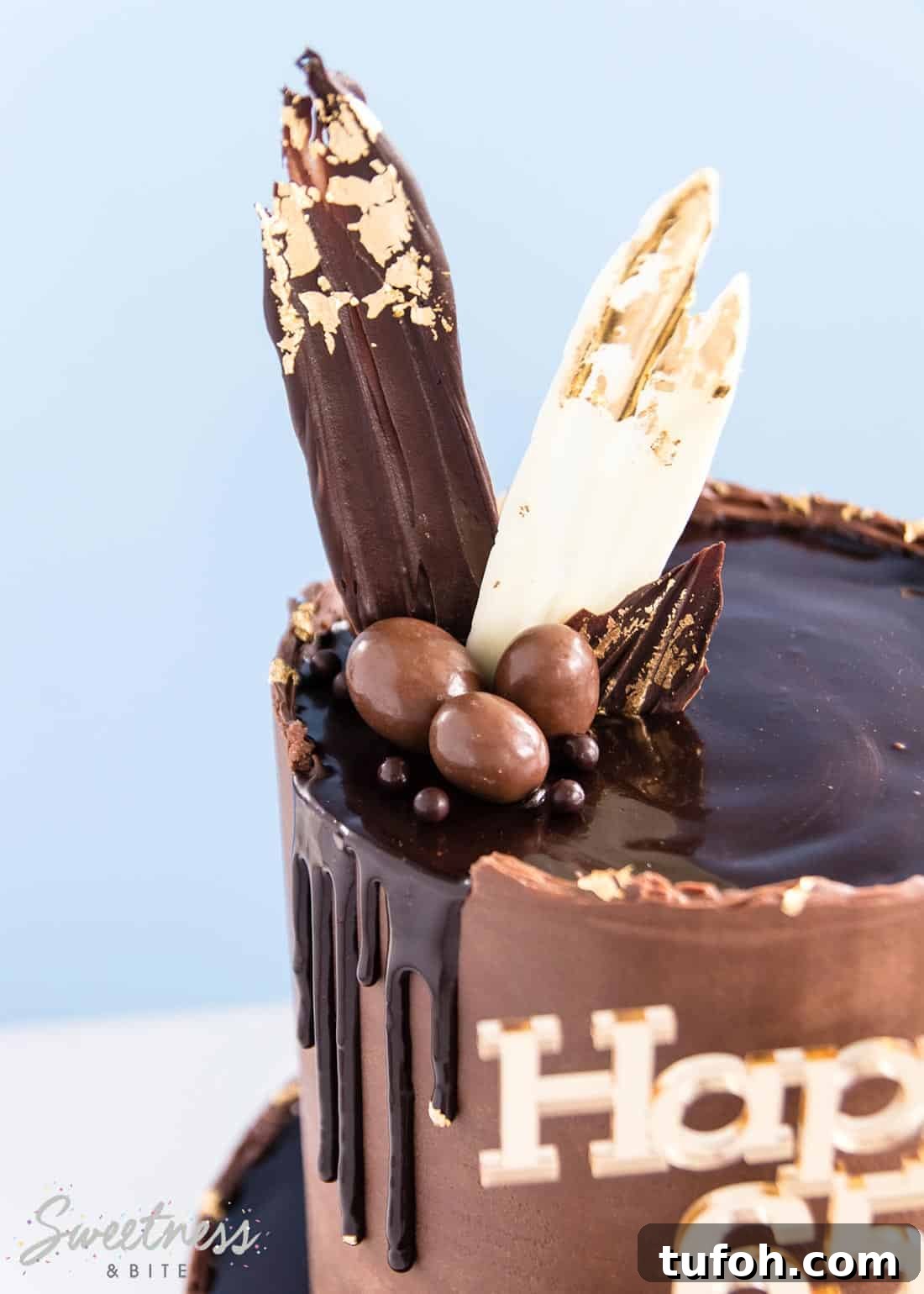
The shine on a well-made ganache drip is irresistible. That glossy finish comes from the right chocolate-to-cream ratio and a touch of glucose or corn syrup to boost sheen and keep the drip smooth.
I also experimented with a two-toned white-and-mauve ganache for my Aunty. To achieve that, I made white chocolate ganache, corrected the yellow tone with a small amount of white gel colour, then removed two-thirds and coloured that portion with an oil-based mauve gel for a richer hue. Colouring ganache works a bit differently from buttercream, so use fat-soluble colours for chocolate-based mixtures.
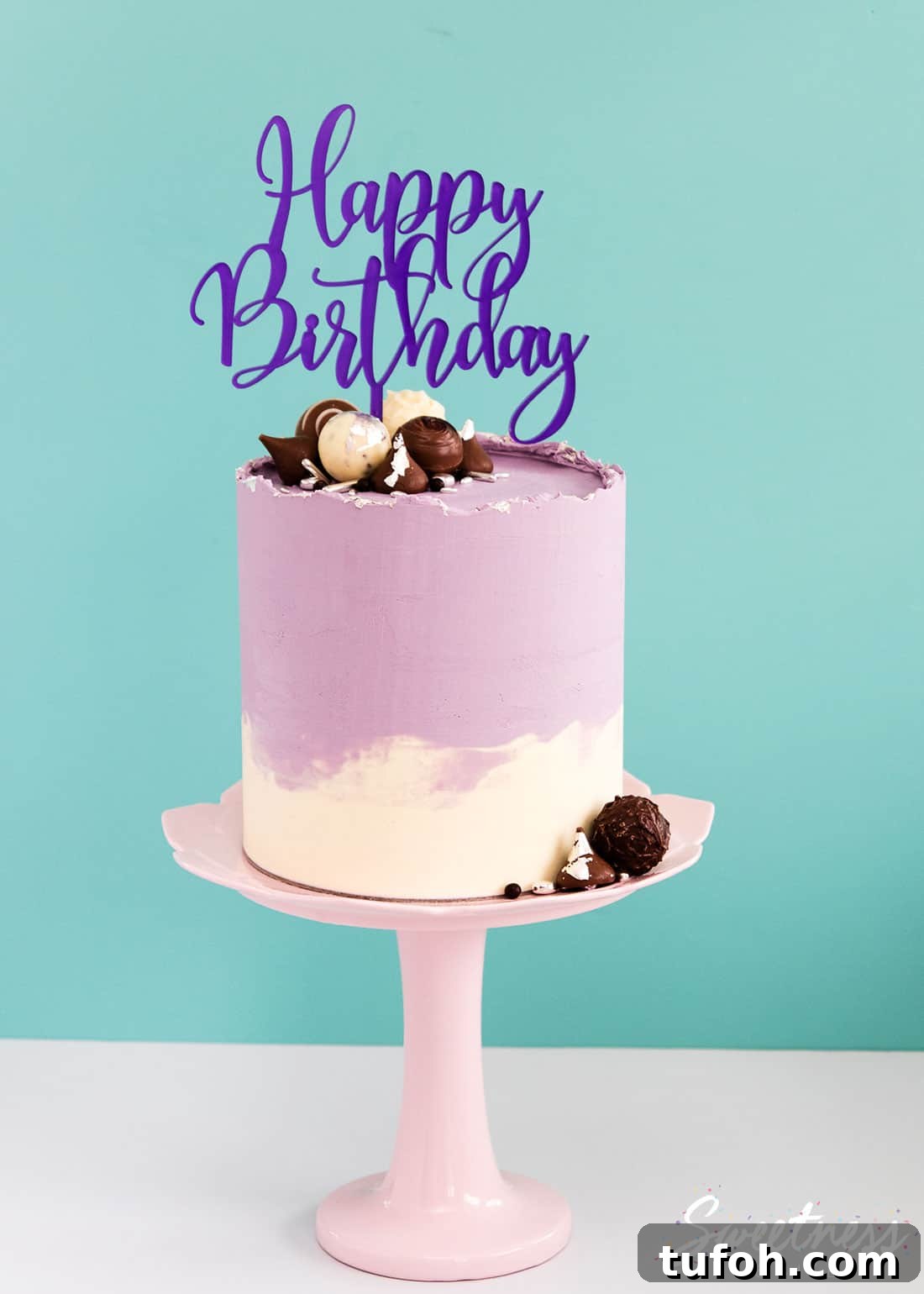
I loved the purple with silver leaf so much on that cake that I chose to skip the drip for a cleaner finish. Now, let’s cover the practical steps to achieve a rough-edge ganache cake.
How to Make a Rough Edge Ganache Cake
Below are the essential steps and tips — the process is straightforward but requires patience and attention to ganache consistency and temperature.
- Fill and ganache the cake sides first. I ganache in the usual way, smoothing the sides before chilling. If you’re new to ganaching, practise a standard ganache finish first. Brushing simple syrup on the cake layers is optional but can help retain moisture.
- My sample cake was 6″ round and about 8″ tall. For very tall cakes, add a small cake card in the centre of the top tier to make serving and cutting easier.
- After you ganache the sides, chill the cake until the ganache firms. Then apply ganache over the top and begin scraping around the edge to create the rough texture.
- Work in stages: chill, shape, chill again. On later cakes I chilled the cake after forming the initial rough edge, then added more ganache to build the edge higher. This makes the texture more pronounced and easier to control.
- Tweak the edge with a spatula and scraper until you’re satisfied. Choose the lowest or least attractive point and smooth it slightly — this is where the drip will start and will look intentional.
- Applying gold leaf: use loose edible gold leaf and a clean paintbrush to lift and press pieces onto the slightly tacky ganache. If you only have transfer sheets, wait until the ganache is set, dampen lightly, and press the transfer sheet against the ganache to transfer the leaf.
- Making a glossy ganache drip: for a shiny milk-chocolate drip I used about 100 g milk compound chocolate with 30 ml cream and a teaspoon of corn syrup. The corn syrup increases shine and keeps the drip fluid. Allow the drip ganache to cool slightly before using a squeeze bottle, piping bag, or spoon. Test the consistency on a glass; too runny will run too far, too thick won’t drip properly.
- Chocolate shards: melt compound chocolate (no tempering required), spread small spoonfuls over non-stick paper and smear thinly with a spatula. Once set, brush the edges lightly with water and add gold leaf. Attach popsicle sticks or skewers to the backs with a bit of melted chocolate so you can stand them on the cake.
These techniques are easy to adapt. Adjust chocolate types, colours and metallic accents to suit your taste. If you have questions about any step, ask — I’m happy to help troubleshoot or expand on techniques.
Other Cake Decorating Tutorials You May Like…
- Edible Sand Recipe – Learn how to make golden edible sand for decorating cakes and cookies.
- Cake Painting Tutorial – Step-by-step guidance on painting directly onto a cake.
- Floral Cake Topper Tutorial – Create a striking floral cake topper using a metal hoop and preserved flowers.