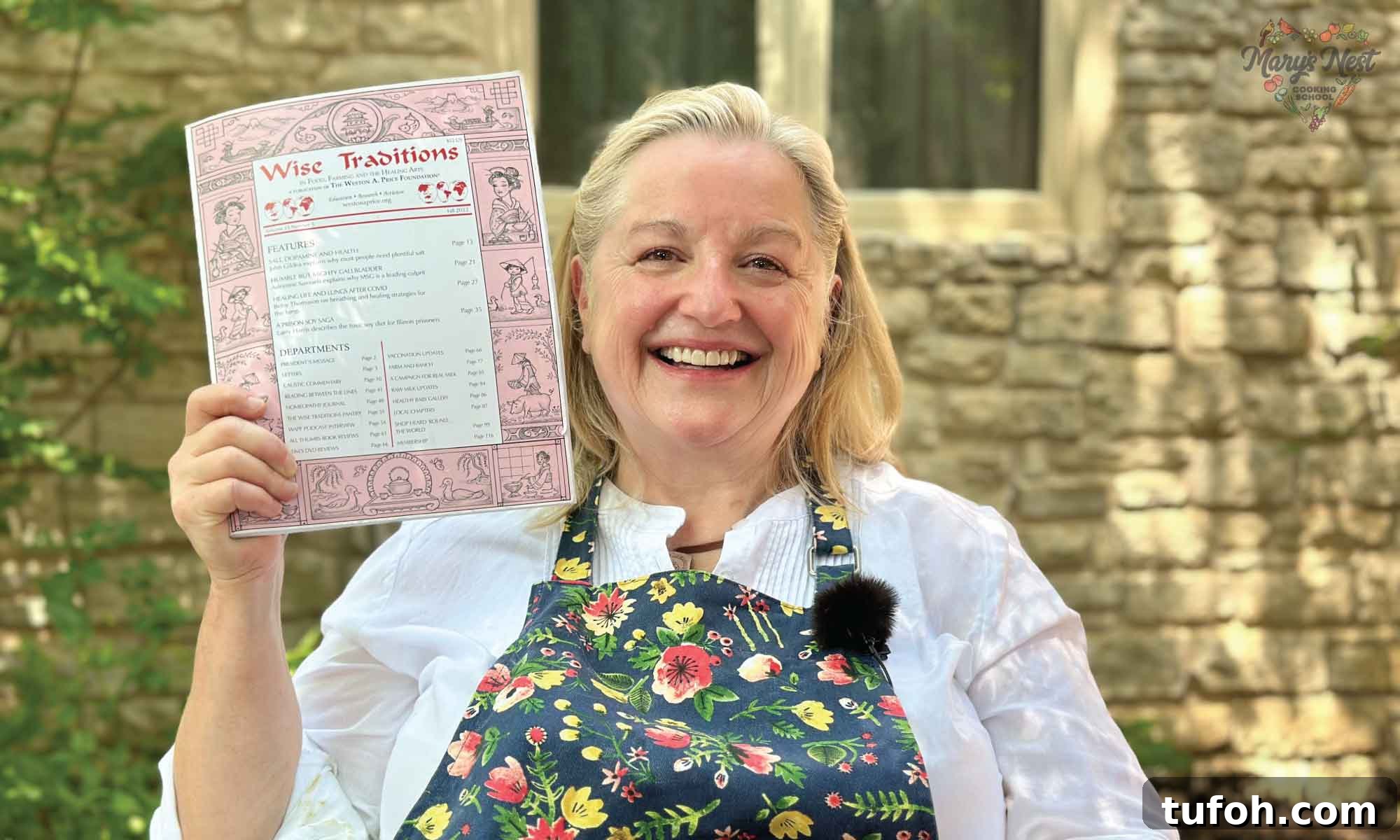
In this vodcast I discuss three ways people can respond to dietary salt: salt sensitive, salt resistant, and the less common reverse salt sensitivity. I summarize current research and explain why individual responses to salt can vary, so you can better discuss salt intake with your healthcare provider and tailor your traditional foods approach accordingly.
These conversational vodcasts are available to Kitchen Pioneers who join my YouTube membership community, the Traditional Foods Kitchen Academy.
Affiliates note: I am an Amazon Associate and may earn from qualifying purchases. If you click affiliate links and make a purchase, I may receive a small commission at no extra cost to you.
Table of Contents
- Are You Salt Sensitive?
- Or Are You Salt Resistant?
- Or Might You Even Be Reverse Salt Sensitive!
- One Size Does Not Fit All
- Disclaimer
- Want to Learn More?
- The Modern Pioneer Cookbook
- Traditional Foods Kitchen Academy
- Join the Traditional Foods Kitchen Academy
- Kitchen Academy Videos Content
- Shop for items used in this blog post or video
Are You Salt Sensitive?
Many people have heard that salt raises blood pressure. For some individuals this is true: when they consume more salt than their body can handle, their blood pressure rises. Medical professionals call this condition salt sensitivity. If you notice increases in blood pressure after eating salty meals, you may fall into this group. Identifying salt sensitivity can help you and your clinician decide whether reducing sodium is an important part of your care plan.
Or Are You Salt Resistant?
Other people can eat relatively large amounts of salt without any noticeable change in blood pressure. This response is increasingly recognized in research and is described as salt resistance. In salt-resistant individuals, sodium intake has little to no effect on blood pressure, though other health considerations may still apply. Understanding that salt resistance exists helps explain why blanket sodium restrictions may not be necessary for everyone.
Or Might You Even Be Reverse Salt Sensitive!
Reverse salt sensitivity is rare but intriguing. In this uncommon response, a person’s blood pressure actually decreases after consuming salt. Although the mechanism is not fully understood and it’s not common, this pattern highlights the diversity of physiological reactions to sodium. If you suspect an atypical response to salt, discuss it with your healthcare provider for evaluation and guidance.
One Size Does Not Fit All
As research advances, it becomes clearer that a single dietary rule for everyone is not appropriate when it comes to salt. Genetics, age, kidney function, medication use, and other health conditions all influence how your body handles sodium. Talking with your medical professional about tests and monitoring can help you determine whether you are salt sensitive, salt resistant, or fall into a different category. That insight can guide personalized adjustments to your diet and traditional foods practice to support better health and wellbeing.
Disclaimer
I am not a doctor. If you have symptoms or health concerns, seek professional medical attention. Before changing medications or combining treatments with home remedies or supplements, consult your healthcare provider to ensure safe and effective care.
- Mary’s Nest Website Disclaimer Text
Want to Learn More?
If you found this topic interesting, watch the vodcast and consider reading in-depth articles from reputable journals on traditional foods and nutrition. For example, the Wise Traditions journal publishes research and articles related to traditional diets and nourishment. Reviewing reliable, science-based resources can help you make informed choices about salt and overall dietary patterns.
Order YOUR COPY Now!
The Modern Pioneer Cookbook
Seasonal ingredients, traditional techniques, and nourishing recipes. Over 85 from-scratch recipes to help you cook the modern pioneer way using simple, wholesome ingredients.
Traditional Foods Kitchen Academy
My in-depth vodcasts are available exclusively to members of the Traditional Foods Kitchen Academy, known as Kitchen Pioneers. Learn more about membership, members-only videos, and exclusive perks on my site.
Membership is optional. I continue to publish free weekly instructional cooking videos on my public YouTube channel for everyone to enjoy.
Join the Traditional Foods Kitchen Academy
Members receive a special badge next to their YouTube username and can post questions and comments that I regularly respond to. Below are a few notable videos from the membership community you might enjoy catching up on.
- Traditional Foods Kitchen Academy video playlist (Optional Membership Community)
Kitchen Academy Videos Content
Baking with Whole Grains: The Maslin Method, Grain Mills, and America’s Bread Basket
Explore whole grain baking with the Maslin Method, fresh-milled flour, grain mills, and heritage wheats.
A Sweet Season of Celebration and New Beginnings with The Maslin Method Baking School Series
Celebrate a book tour close and the launch of The Maslin Method Baking School for traditional baking.
Why We Should Incorporate Mackerel Into Our Diet
Simple, nourishing ways to enjoy mackerel in your meals.
Shop for items used in this blog post or video
Favorite Kitchen Supplies
- Favorite Aprons
- Spice Grinder
- Countertop Burner (often used on the kitchen island)
- Handheld Vacuum Sealing System
- Vacuum Lids
- Whisk
- Silica Gel Packets (helps control moisture)
- Cast Iron Dutch Oven
- 8-Quart Slow-Cooker
- Fat Separator (handy for decanting bone broth)
- Flour Sack Towels
- pH Strips (useful for checking vinegar acidity)
Recommended Reading
- The Modern Pioneer Cookbook
- Nourishing Traditions