Written by Alli L.
Flossing is an essential part of oral hygiene—helping remove plaque, food debris, and buildup between teeth and along the gumline. Yet many mainstream flosses use materials and coatings that can introduce unwanted chemicals into your mouth and into the environment. This guide explains which toxins to watch for, which materials are safer, and outlines trustworthy brands that make PFAS-free, plastic-reduced, and biodegradable floss.
Here’s what this guide covers:
- What Kind of Toxins Are Commonly Found in Dental Floss?
- PFAS (Per- and Polyfluoroalkyl Substances)
- Plastic
- Artificial Flavors
- What Materials Should I Look for When Buying Non-Toxic Dental Floss?
- Silk
- Bamboo
- Corn Fiber
- Beware of Greenwashing
- The Best Dental Floss Brands That Are Natural, Organic, Plastic-Free, & PFAS-Free
- Etee
- Huppy
- Public Goods
- Georganics
- EcoRoots
- Bambo Earth
- Living Well with Dr. Michelle
- OKAY Brands for PFAS-Free Dental Floss
- Cocofloss
- Lucky Teeth
- Desert Essence
- Risewell
- Dr. Tung’s
- A Floss Alternative: Waterpik
- A Quick FAQ for Your Non-Toxic Dental Hygiene
- How often should I floss?
- Why is floss toxic?
- What major brands of dental floss contain PFAS?
- What dental floss is safe to use?
- Does waxed floss have PFAS?
- Want to learn more about how to reduce PFAS in your home?
This guide contains product recommendations and we may receive compensation if you purchase through certain links. As always, we only make recommendations that are genuine!
What Kind of Toxins Are Commonly Found in Dental Floss?
PFAS (Per- and Polyfluoroalkyl Substances)
PFAS are synthetic chemicals used for their nonstick, water- and stain-resistant properties. They’ve been applied to many consumer products for decades, and because they persist in the environment and the body, they’re often called “forever chemicals.” Research has linked some PFAS to health concerns including liver and immune system effects, hormonal disruption, and impacts on development and reproduction. Because PFAS don’t readily break down, repeated daily exposure—such as from floss coated with PFAS—can contribute to long-term accumulation.
Plastic
Many common flosses use nylon, polyester, or other petroleum-based fibers. These materials can contain plasticizers and additives such as phthalates or other endocrine-disrupting chemicals, and they contribute to plastic pollution when discarded. Plastic-based floss is also not recyclable and can fragment into microplastics, which are increasingly found in the environment and human tissues. Choosing plant-based or biodegradable options reduces both chemical exposure and environmental impact.
Artificial Flavors
Artificial flavors are common in flavored flosses, but their formulations aren’t always transparent. While many flavoring agents are approved for use, regulation and long-term safety data are limited for some compounds. If you have sensitivities or prefer fewer synthetic ingredients, look for flosses flavored with natural essential oils or that are unflavored.
What Materials Should I Look for When Buying Non-Toxic Dental Floss?
There are many safe, biodegradable alternatives to conventional plastic floss. When shopping, prioritize materials that are plant-based, compostable, and free from PFAS and petroleum-derived coatings.
Silk
Silk is a natural, biodegradable fiber that glides smoothly between teeth. If you avoid harm to insects, look for brands that offer peace silk or alternatives that address ethical concerns.
Bamboo
Bamboo fibers are a strong, plant-based option suitable for vegans when processed without animal-derived ingredients. Bamboo grows quickly and can be low-impact, though manufacturing methods vary—so choose brands that are transparent about processing.
Corn Fiber
Corn-based PLA (polylactic acid) or corn fibers are common vegan, compostable options. They’re plant-derived and can be composted or break down more readily than petroleum-based plastics—ideally sourced from non-GMO corn when that information is available.
Beware of Greenwashing
Eco-friendly marketing has grown rapidly, and not every “green” claim is backed by transparent practices. To avoid greenwashed products, watch for:
- Poor manufacturing transparency: Check whether brands disclose sourcing, factory practices, and worker conditions.
- Vague language: Claims like “eco-friendly” without clear definitions or certifications may be empty marketing.
- Unverified badges: Be skeptical of unofficial icons; prefer recognized certifications such as USDA Organic or Fair Trade when applicable.
- Decorative imagery: Pictures of nature don’t guarantee sustainable materials or practices—read the ingredient and materials lists instead.
Related:
Home
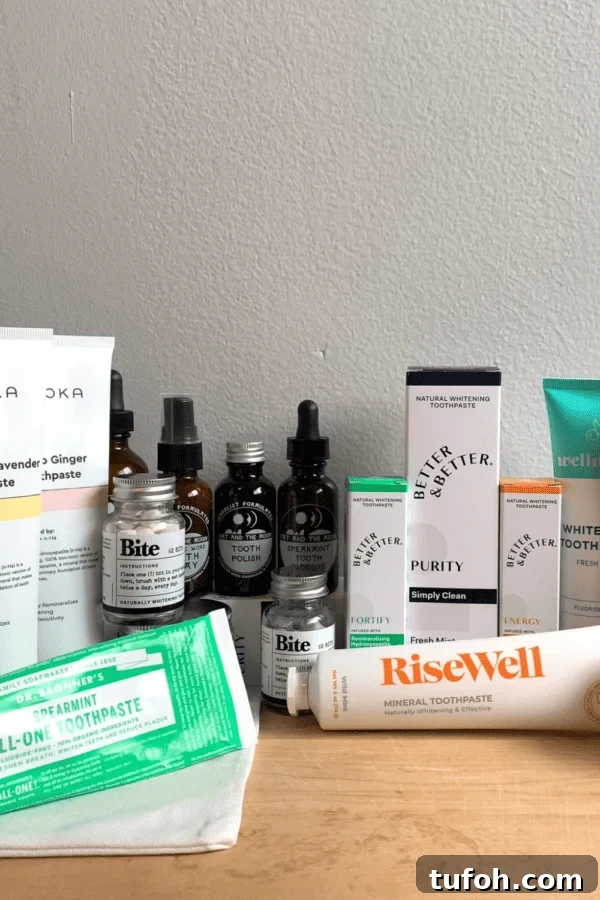
We Tested 15 “Non-Toxic” Toothpastes So You Don’t Have To.

Body
What to Look for in a Non-Toxic & Natural Toothpaste
Body
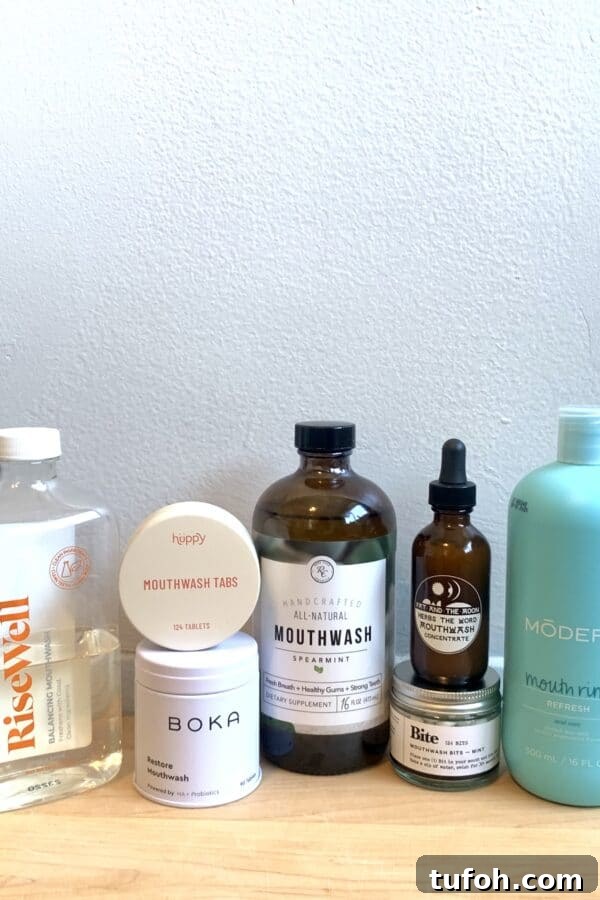
Is Mouthwash Bad for You? 8 Best Natural Mouthwash Brands REVIEWED
The Best Dental Floss Brands That Are Natural, Organic, Plastic-Free, & PFAS-Free
Below are brands that make PFAS-free and mostly plastic-reduced or biodegradable floss. Each entry lists whether the product is plastic-free, biodegradable, and the primary materials so you can match your priorities.
Etee
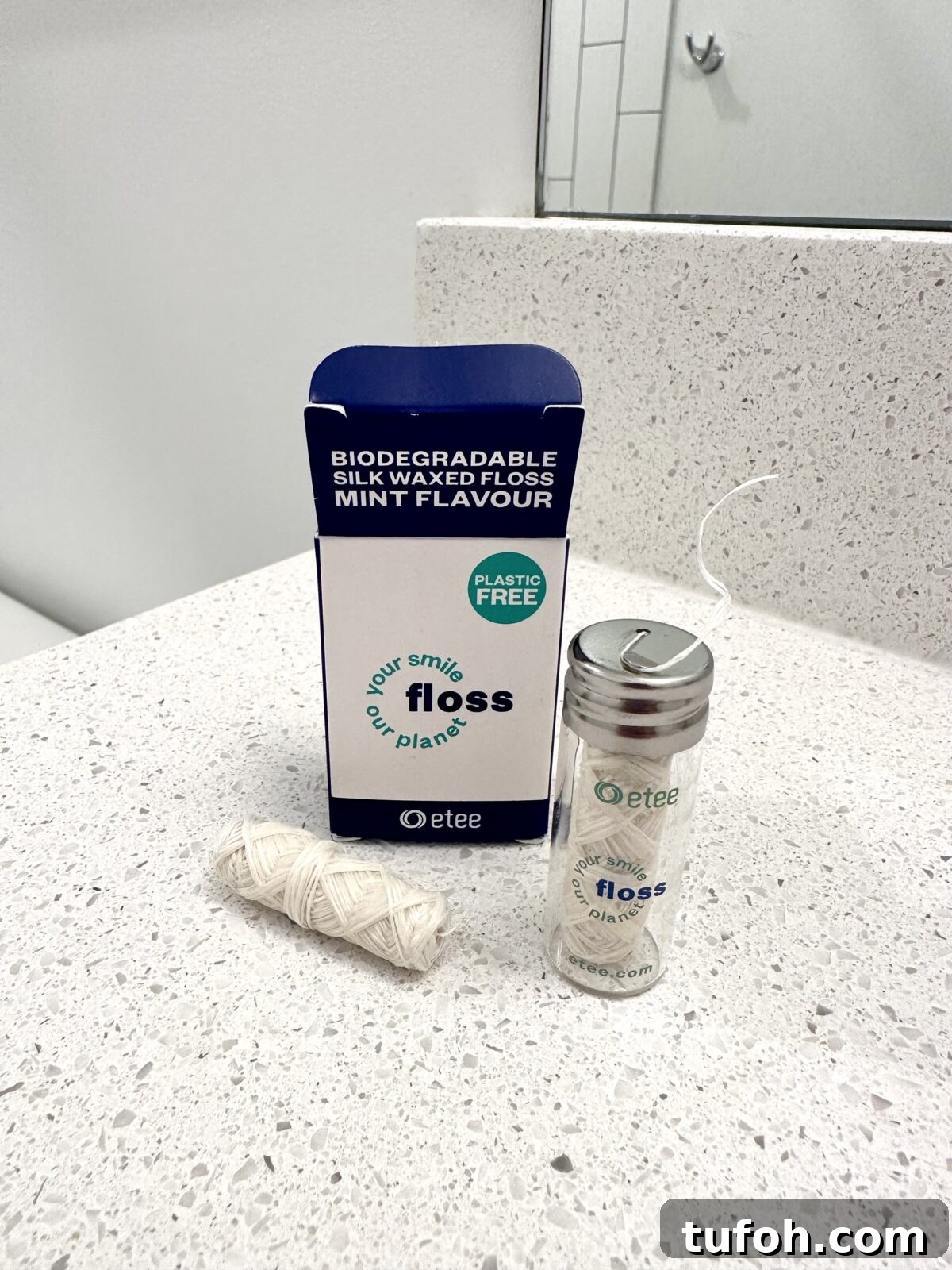
Plastic-Free? Yes
Biodegradable? Yes
Organic? Yes
Material: Pure mulberry silk
Price: $12 for 2 spools
Etee offers 100% mulberry silk floss in a reusable glass container and uses plant-based coatings like candelilla wax. The floss is smooth, naturally peppermint-flavored, and designed with sustainability in mind.
Huppy
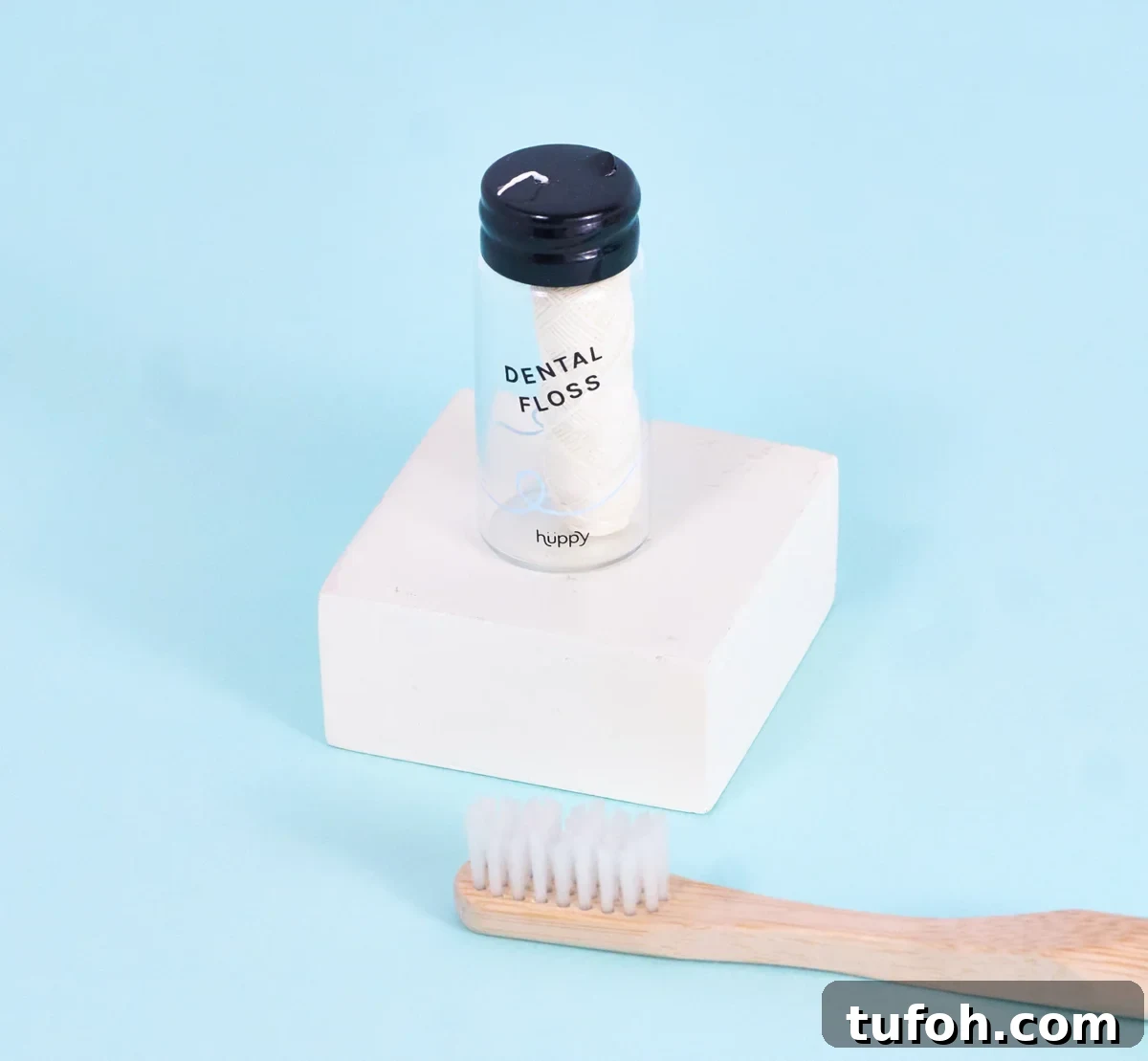
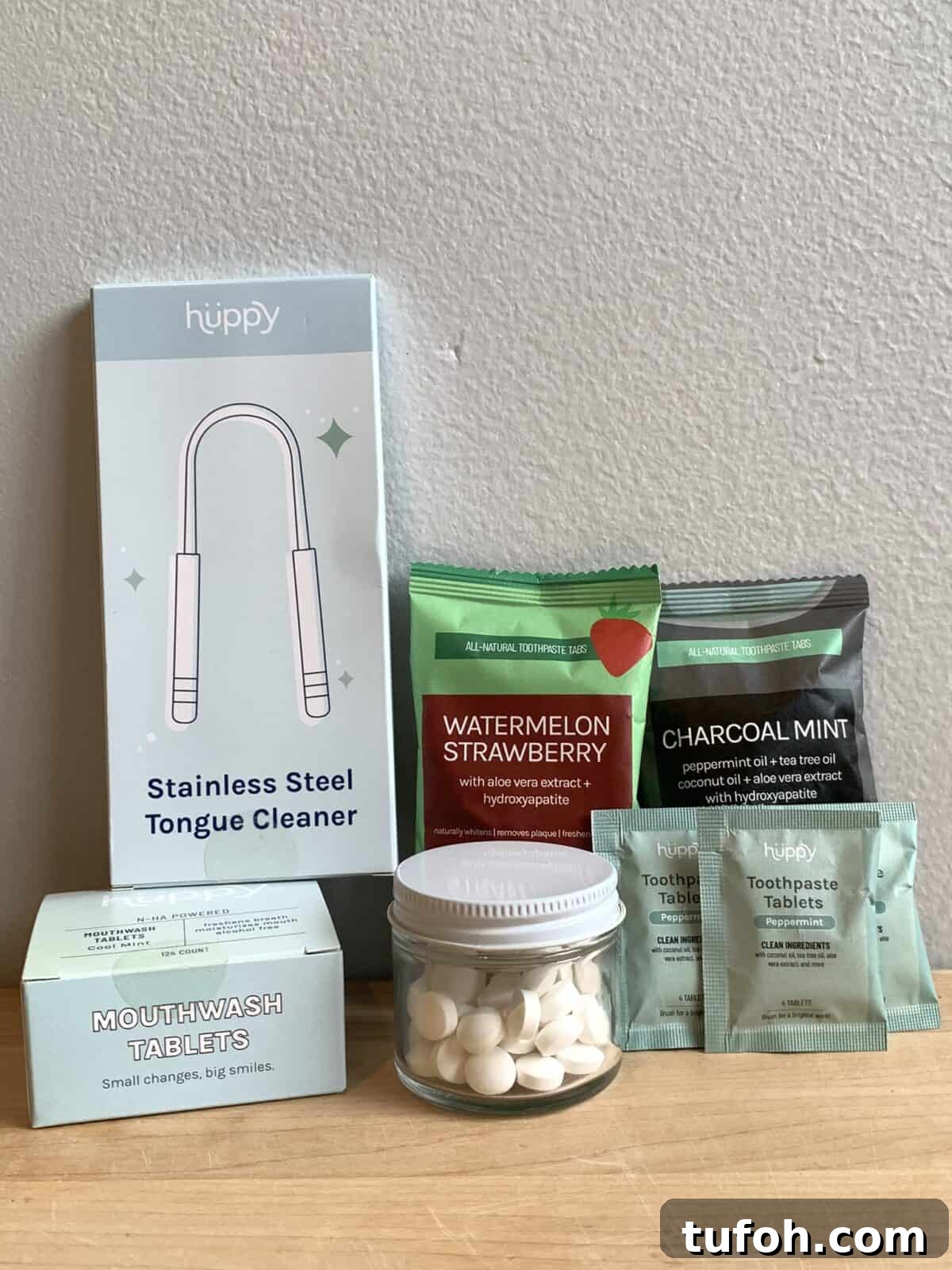
Plastic-Free? Yes
Biodegradable? Yes
Organic? No
Material: Biodegradable cornstarch core coated with vegan candelilla wax
Price: $12 for a 2-pack
Huppy offers vegan, PFAS-free floss and a range of zero-waste oral-care products. Their floss is plant-based, smooth, and available alongside complementary eco-friendly items like toothpaste and brushes.
Public Goods
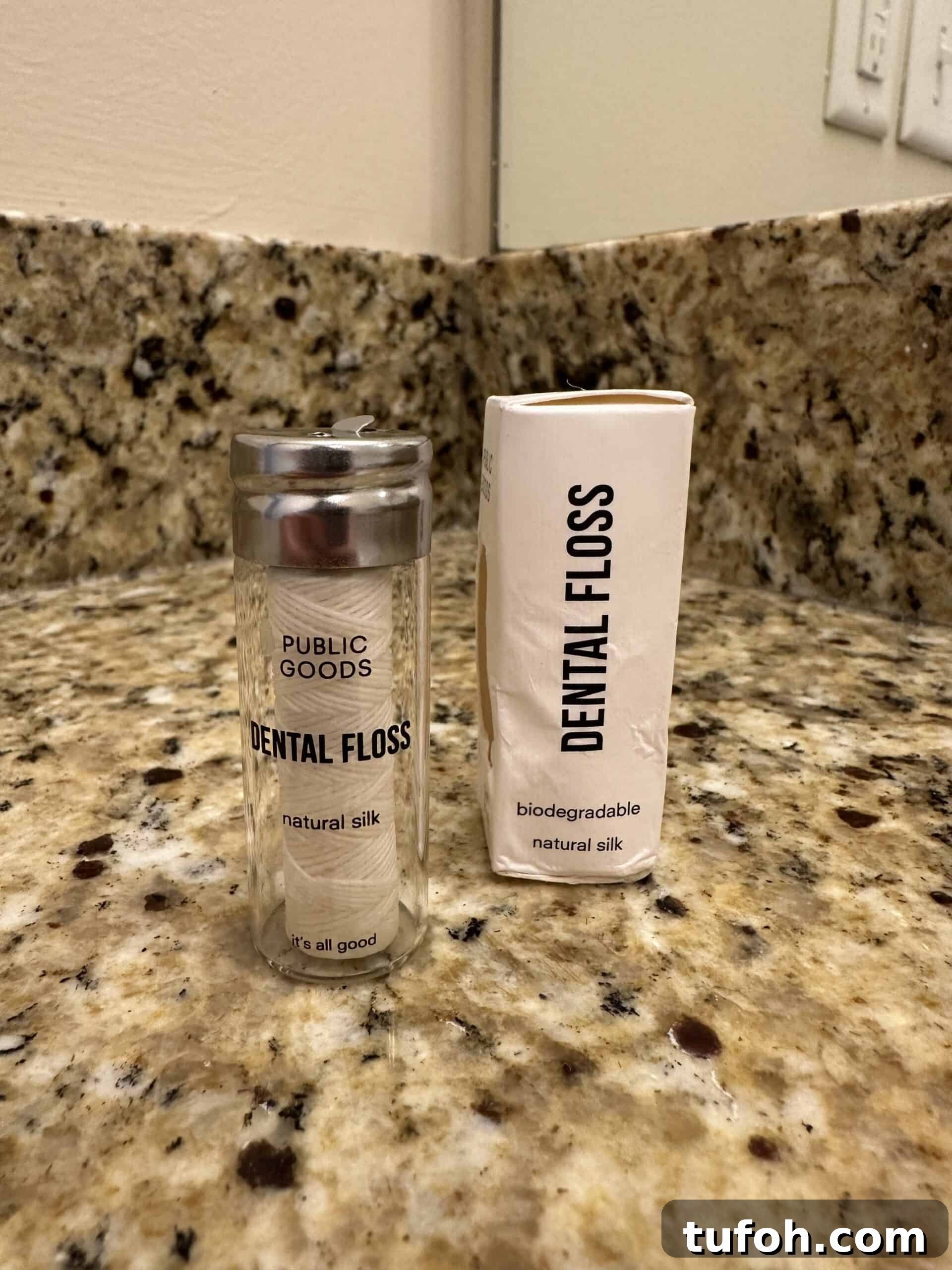
Plastic-Free? Yes
Biodegradable? Yes
Organic? Yes
Material: 100% biodegradable silk
Price: $5.95 for 30m
Public Goods sells an affordable silk floss in a reusable glass jar. It’s coated with plant wax and designed to be durable and easy to use—an accessible option for people prioritizing sustainability.
Georganics
Plastic-Free? Yes
Biodegradable? Yes
Organic? Yes
Materials: Corn PLA, activated charcoal, vegetable wax
Price: $6.50
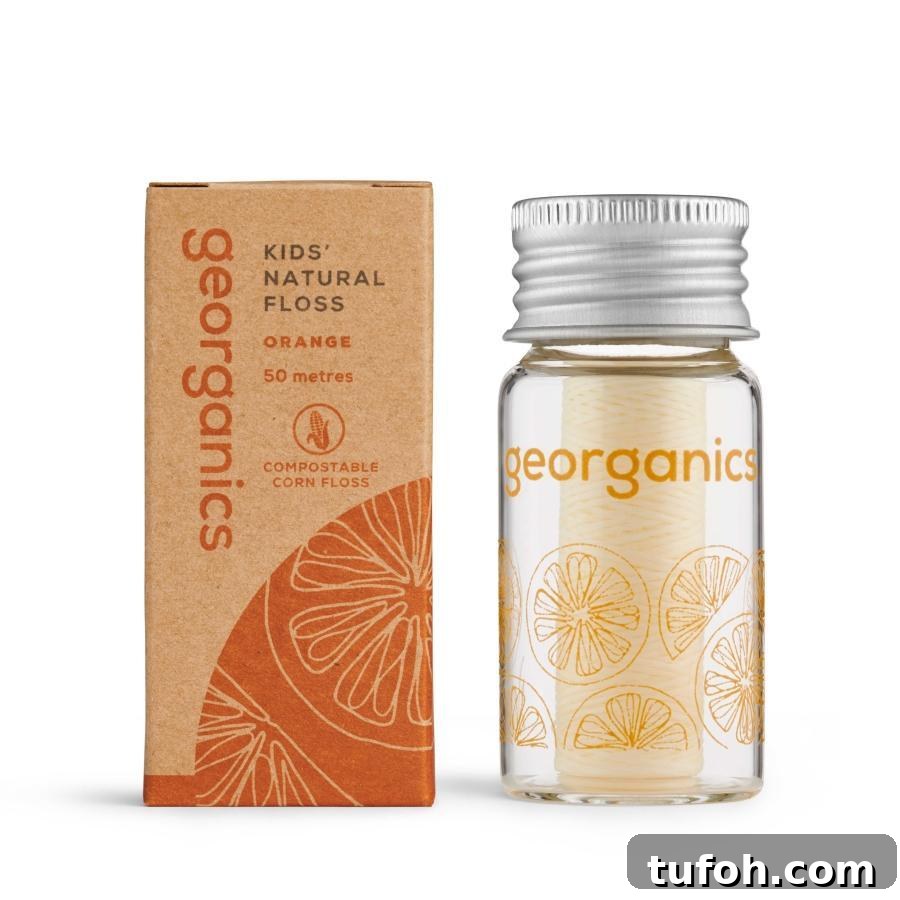
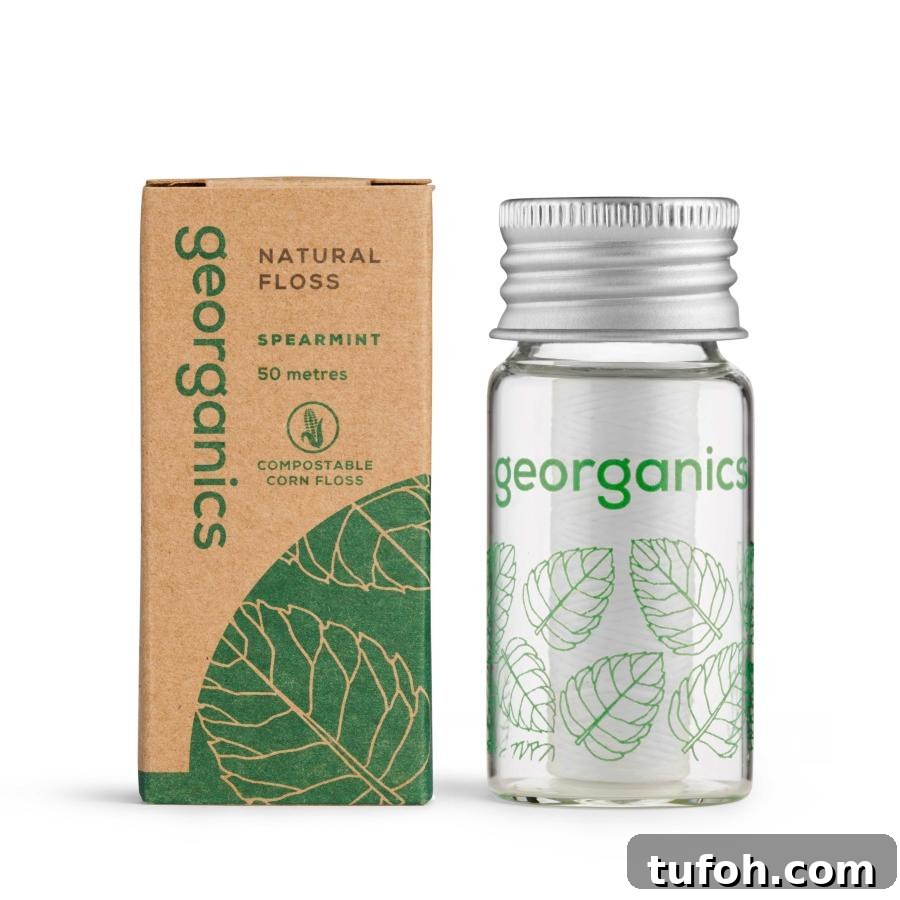
Georganics makes compostable floss from corn-based PLA with natural coatings and offers citrus-flavored options for kids. Packaging is designed to be recyclable or compostable.
EcoRoots
Plastic-Free? Yes
Biodegradable? Yes
Organic? Yes
Material: Corn PLA with candelilla wax and natural essential oils
Price: $9.99
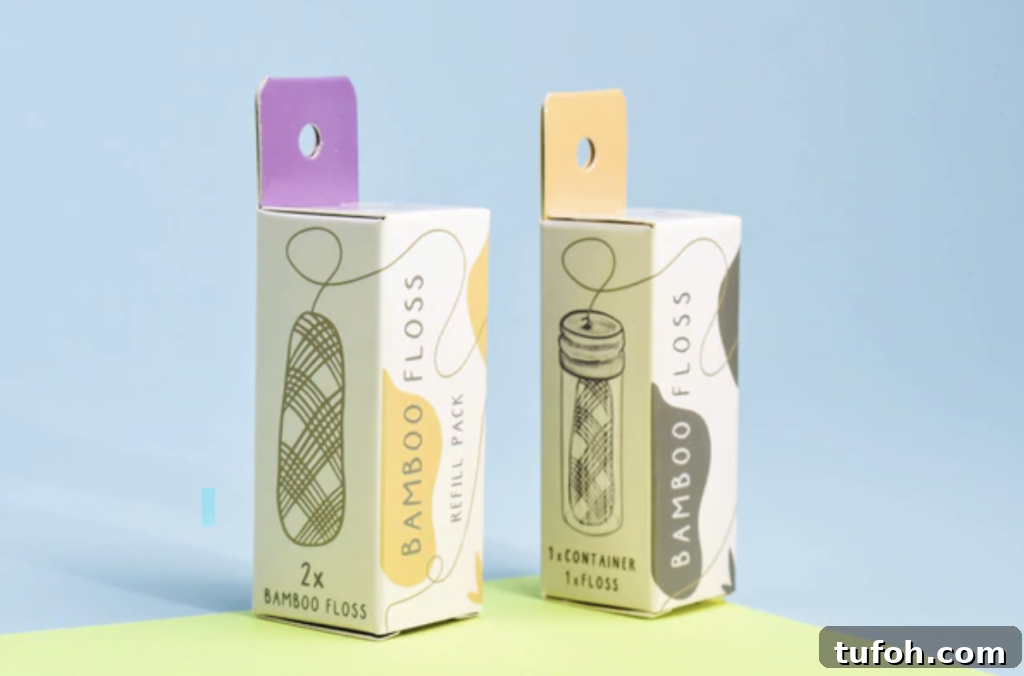
EcoRoots offers compostable corn-fiber floss coated with plant-based wax and flavored with essential oils. Their packaging is recyclable and compostable.
Bambo Earth
Plastic-Free? Yes
Biodegradable? Yes
Organic? Yes
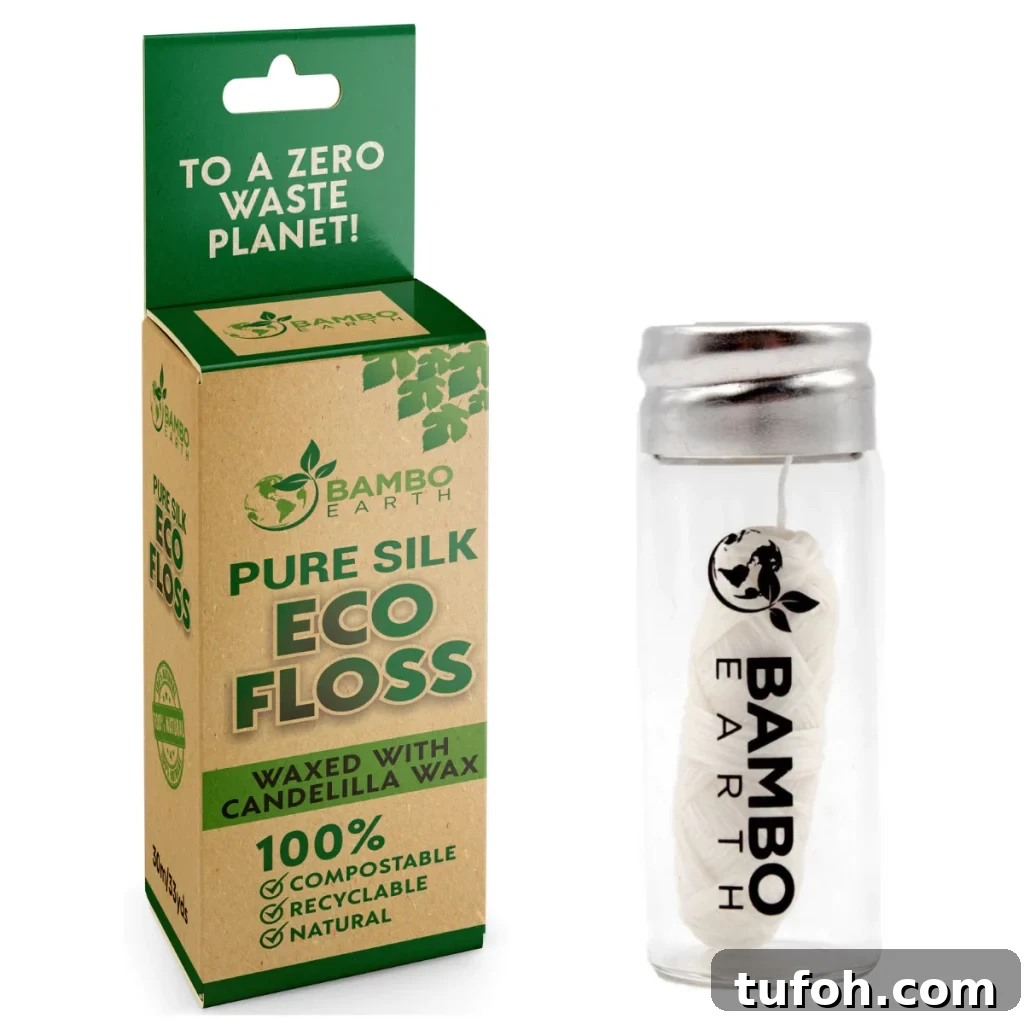
Materials: Natural silk thread coated with candelilla wax
Price: $6.97
Bambo Earth’s silk floss offers a smooth glide with light mint flavor and zero-waste packaging—another strong choice for those wanting a fully natural option.
Living Well with Dr. Michelle
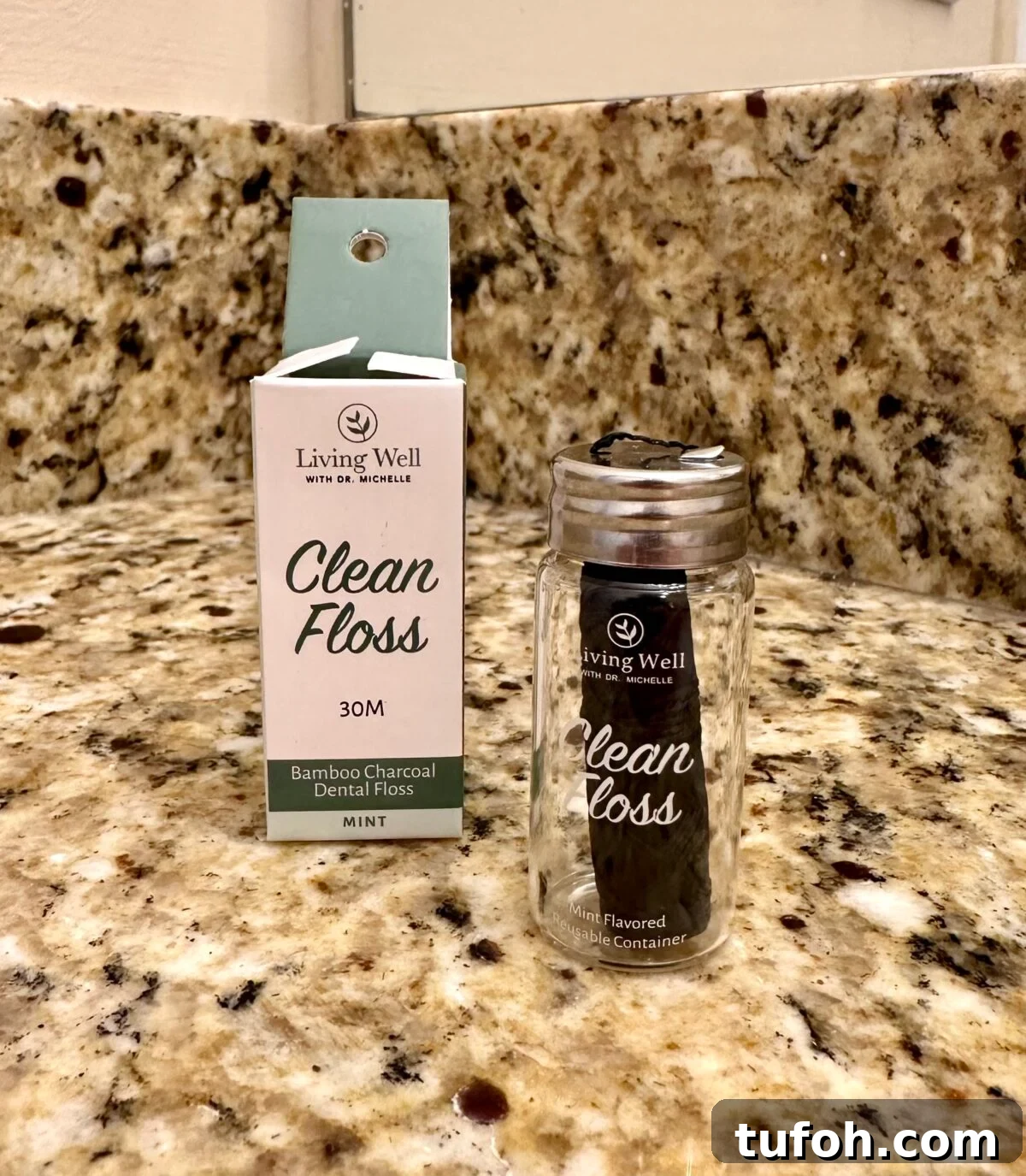
Plastic-Free? Yes
Biodegradable? Yes
Material: Woven bamboo fibers with charcoal and light mint flavor
Price: $16 for a 2-pack including glass vials
This woven bamboo floss is strong and less prone to fraying, making it a good vegan alternative to silk that still offers reliable performance and a subtle mint taste.
OKAY Brands for PFAS-Free Dental Floss
These brands are PFAS-free but use some synthetic or partially synthetic materials. They can be a reasonable middle ground if you want durability and reduced waste without a fully plant-based composition.
Cocofloss
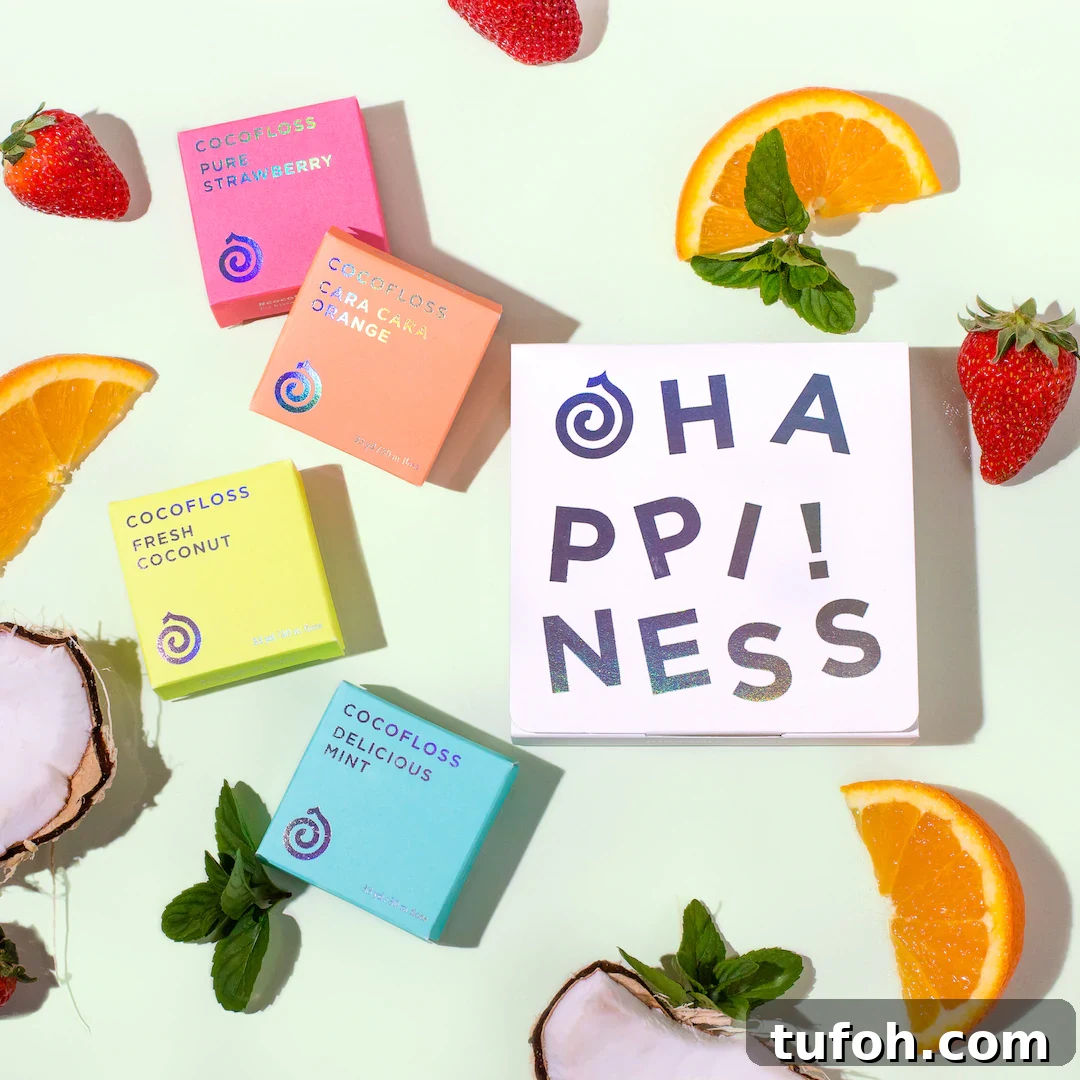
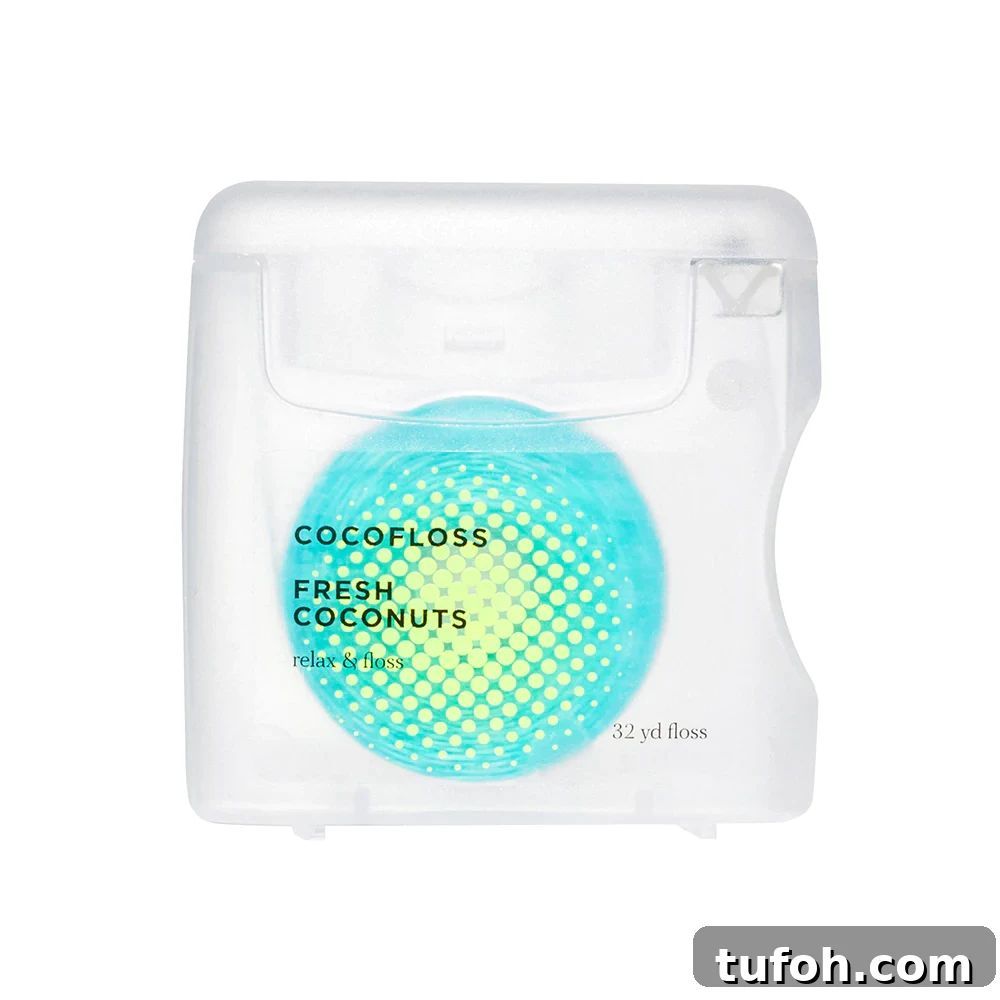
Plastic-Free? No
Biodegradable? Partly
Material: Recycled polyester from plastic bottles infused with coconut oil
Price: Varies
Cocofloss uses recycled PET fibers and states their floss is PFAS-free. Using recycled material reduces landfill waste, though it’s still a synthetic fiber rather than fully compostable.
Lucky Teeth
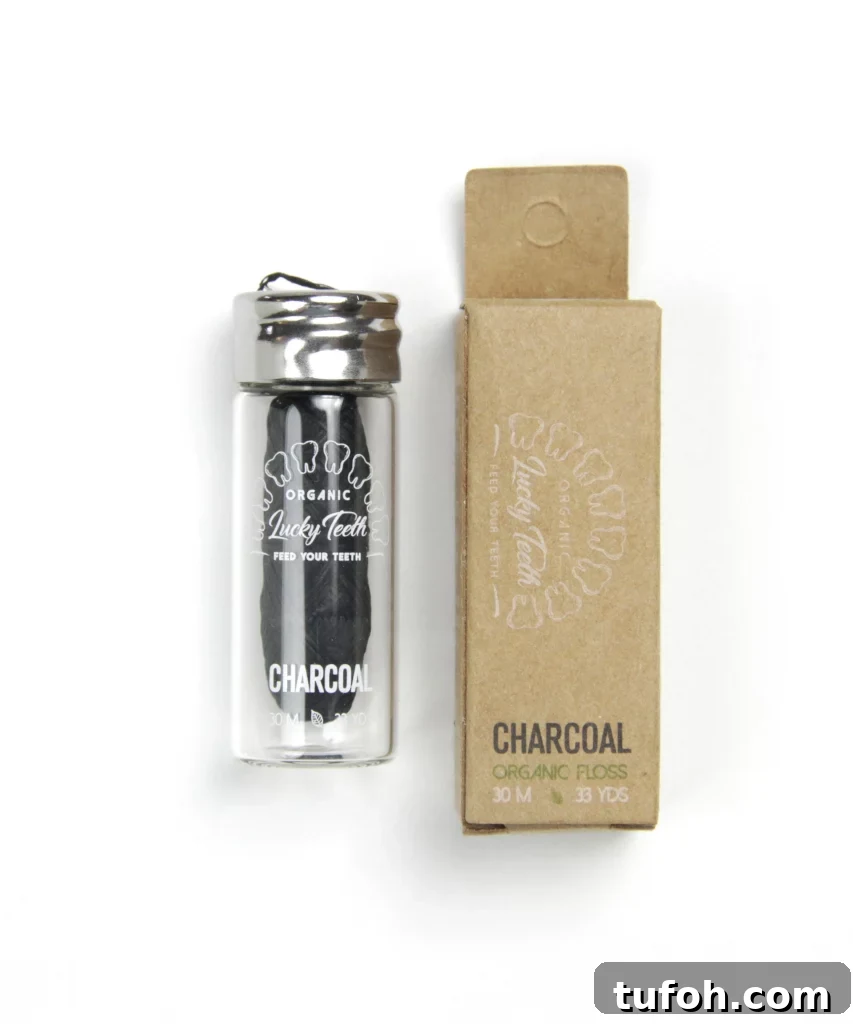
Plastic-Free? No (uses a biodegradable polymer)
Biodegradable? Yes
Materials: Bamboo fiber, activated charcoal, organic peppermint oil
Price: $9.99 per 30m spool
Lucky Teeth combines bamboo with a fully biodegradable polymer (PBAT) and activated charcoal for a strong, cleaning floss that breaks down without releasing persistent toxins.
Desert Essence
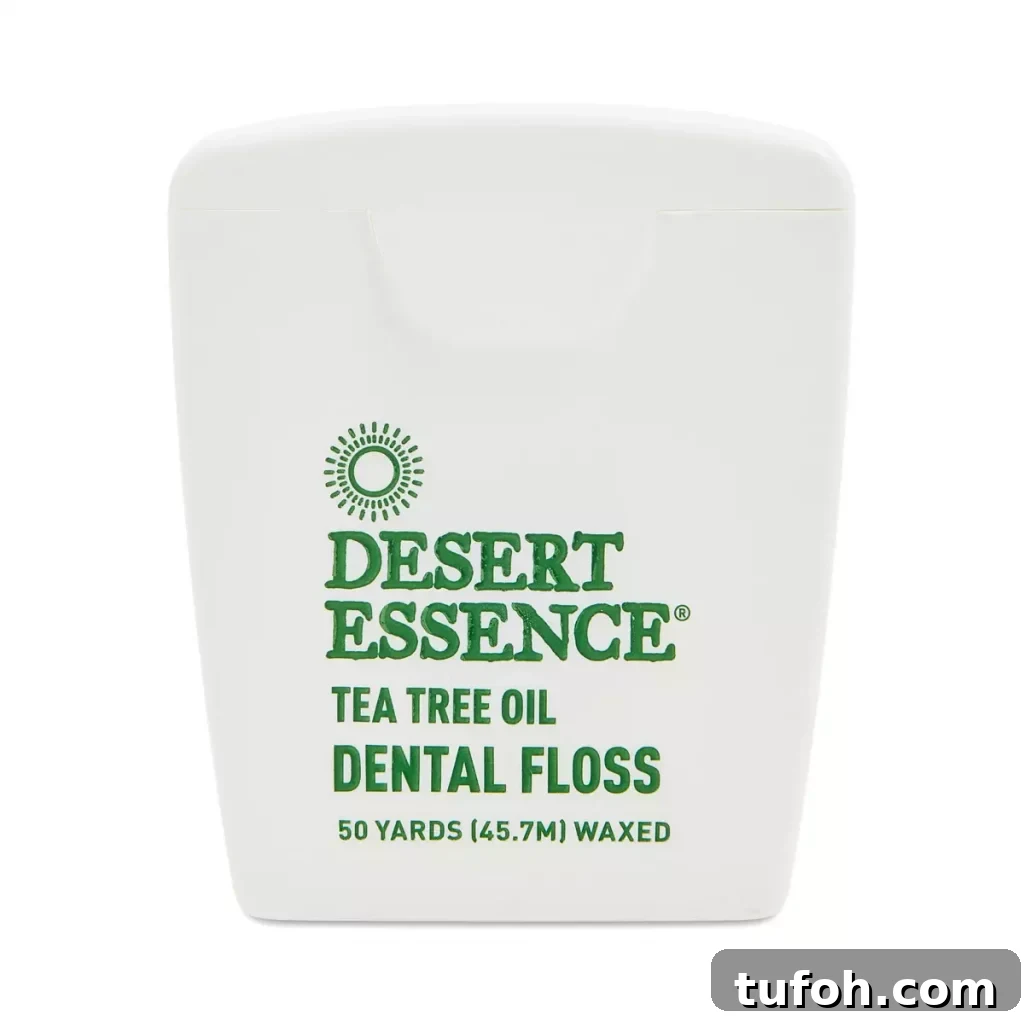
Plastic-Free? No (nylon thread)
Biodegradable? Partly
Materials: PFAS-free nylon, beeswax, tea tree and mint oils
Price: $14.95 for 2 spools
Desert Essence uses a PFAS-free nylon and natural oils for flavor. It’s a widely available option for those who prefer a familiar texture but want to avoid PFAS.
Risewell
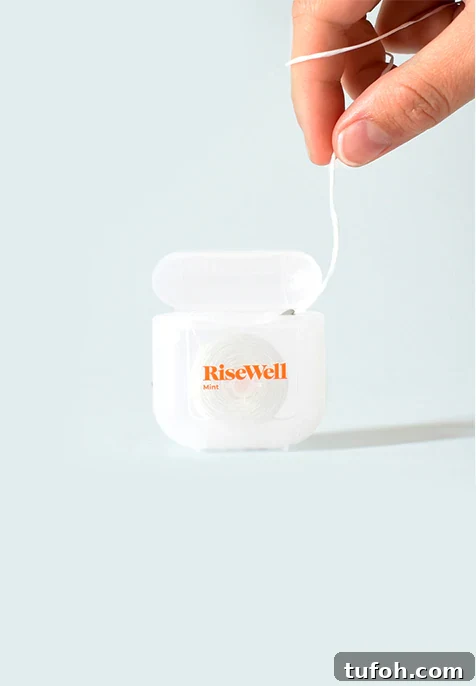
Plastic-Free? No (polyester filament)
Biodegradable? Partly
Materials: Polyester filament with vegan wax and hydroxyapatite infusion
Price: $8
Risewell emphasizes what their floss does not contain—no artificial flavors, no PTFE—and offers hydroxyapatite, a mineral similar to tooth enamel, as an alternative to fluoride in oral-care formulations.
Dr. Tung’s
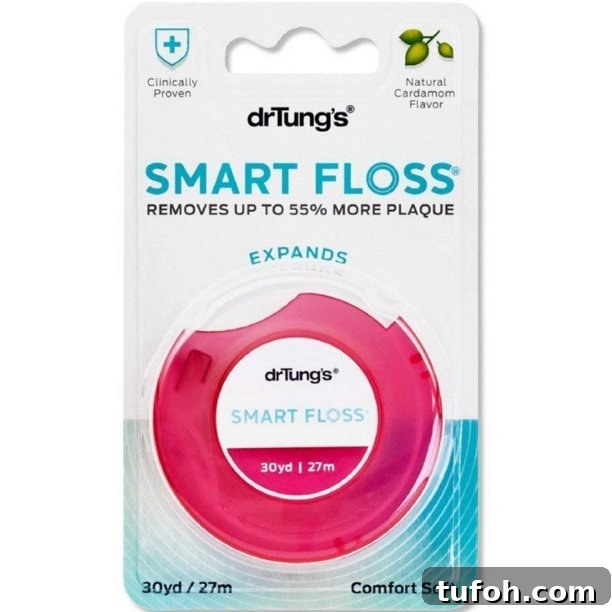
Plastic-Free? No (polyester filament)
Biodegradable? Partly
Material: Polyester coated with plant wax and flavored with lemongrass and charcoal additives
Price: $5.99
Dr. Tung’s is widely available and offers PFAS-free floss options coated with plant-based wax and flavored naturally—convenient for quick purchases at major retailers.
A Floss Alternative: Waterpik
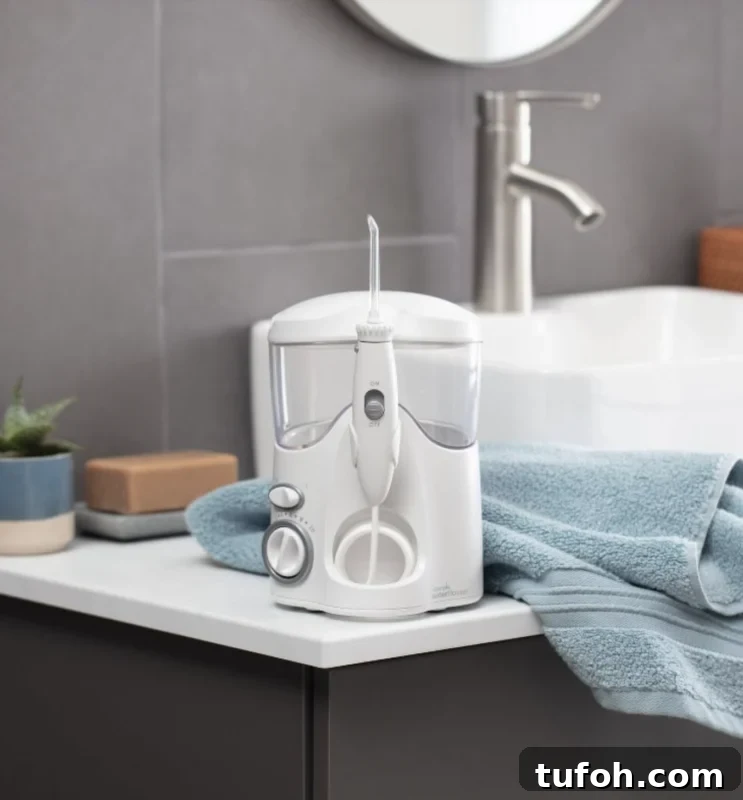

Plastic-Free? No
Price range: $36–$90
Water flossers are a PFAS-free method of cleaning between teeth and often excel at removing plaque below the gumline. They can be gentler for people with braces or sensitive gums. While the device is plastic, the short exposure time of water in the reservoir reduces the risk of leaching, and many users find the oral-health benefits outweigh potential concerns about device materials.
A Quick FAQ for Your Non-Toxic Dental Hygiene
How often should I floss?
The American Dental Association recommends flossing once a day in addition to brushing. Daily flossing removes plaque and food particles that brushing alone can miss, helping to prevent gingivitis and protect gum health.
Why is floss toxic?
Floss can be problematic when it contains PFAS, petroleum-derived coatings, or plasticizers that are linked to endocrine disruption and other health concerns. Because floss is used directly in the mouth, opting for PFAS-free and plant-based materials helps reduce direct exposure.
What major brands of dental floss contain PFAS?
Several conventional brands have historically used PTFE or other fluorinated coatings to achieve a smooth glide—examples include some Teflon-based or PTFE-containing products. Studies and testing have identified PFAS in certain popular flosses, which is why checking ingredient and manufacturer claims is important when choosing a product.
What dental floss is safe to use?
Choose flosses that explicitly state they are PFAS-free and prioritize plant-based, biodegradable materials like silk, bamboo, corn fiber (PLA), or flosses coated with natural plant waxes. Refillable jars and compostable packaging are additional sustainability pluses.
Does waxed-floss have PFAS?
Not all waxed floss contains PFAS, but some common brands use petroleum-based waxes or fluorinated coatings. Look for flosses that use plant-based waxes such as candelilla or beeswax and verify PFAS-free labeling.
With this overview, you have the tools to choose a safer, more sustainable floss that fits your values and oral-care needs. Switching to PFAS-free and biodegradable floss is a simple way to reduce chemical exposure and plastic waste while still maintaining effective dental hygiene.
Want to learn more about how to reduce PFAS in your home?
If you want a deeper dive into PFAS, exposure reduction, and spotting greenwashing, consider exploring educational resources such as online courses and reputable guides focused on PFAS avoidance. Practical steps—like choosing PFAS-free products, reducing plastic use, and prioritizing transparent brands—add up over time to lower household exposure.