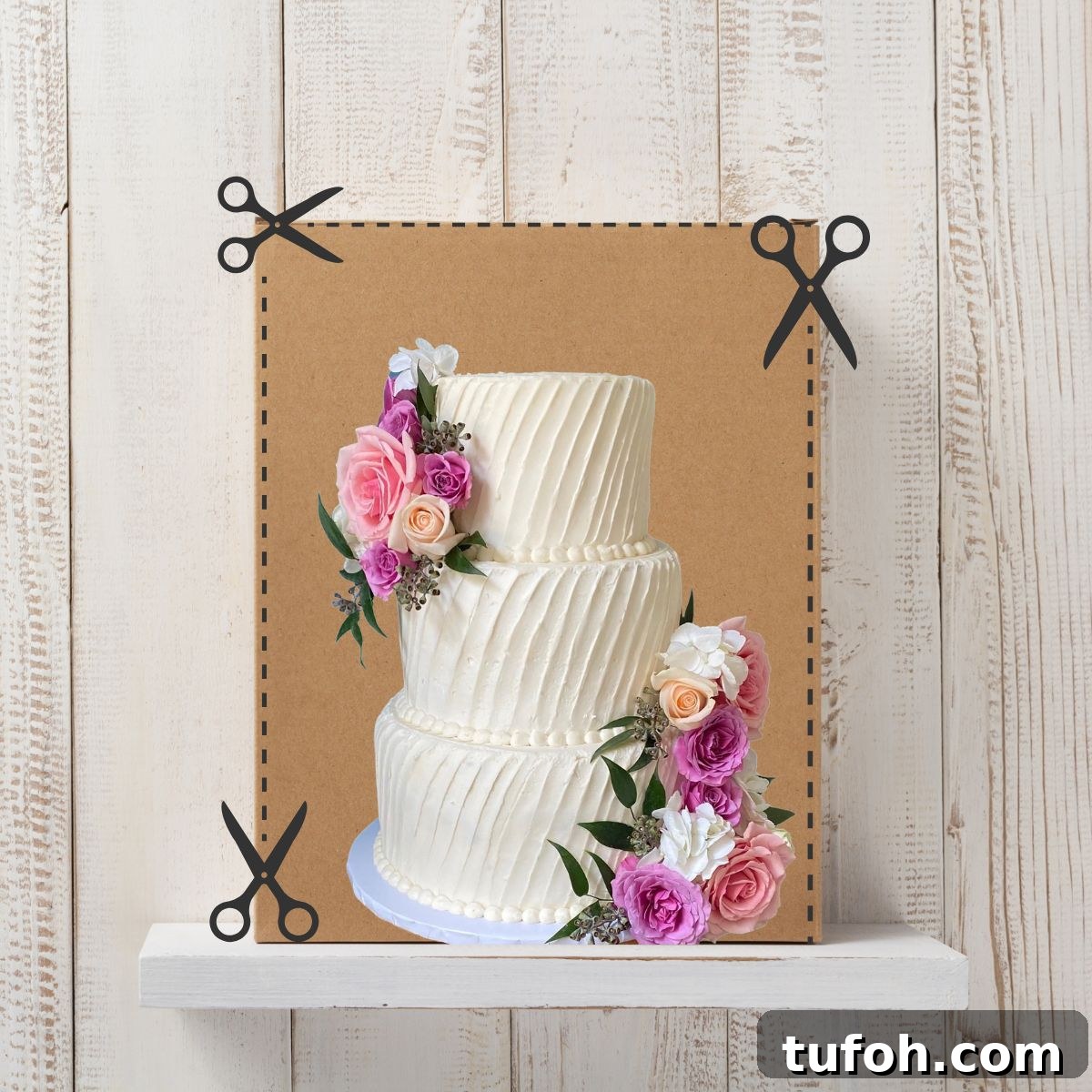
If you’re worried about how to transport a wedding cake safely, don’t worry. Transporting a tiered cake takes planning, but with experience and the right steps it’s straightforward. This guide shares practical Dos and Don’ts for moving a tiered wedding cake to its final destination.
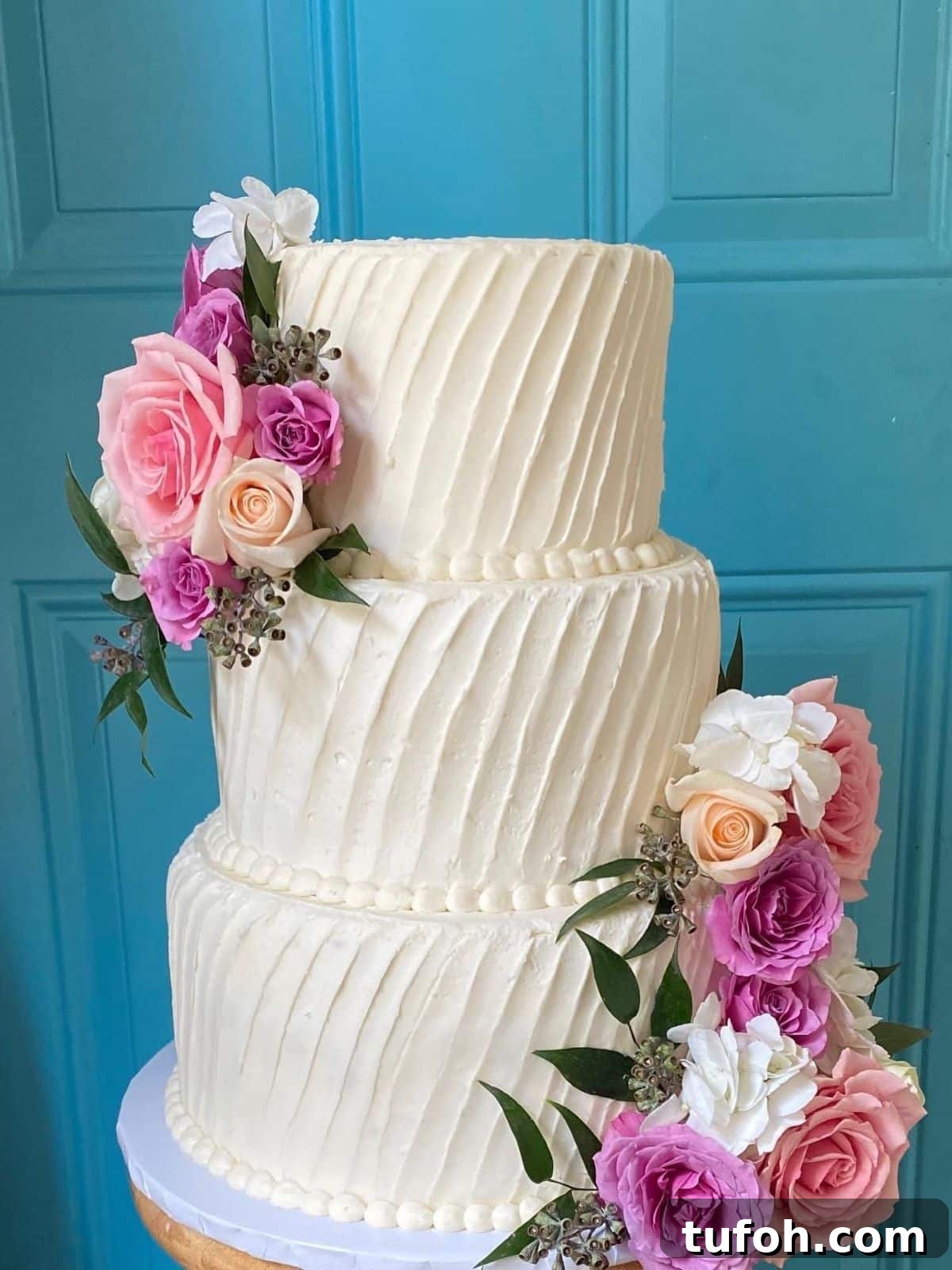
At Amycakes Bakery we handled many tiered wedding cakes — large and small, for short and long distances — and those experiences shaped these recommendations. Whether you’re picking up a cake for a friend or delivering one you baked yourself, these tips will help you get a tiered cake to the venue in one piece.
Below are seven clear steps to follow to ensure your wedding cake transport goes smoothly and safely.
1. Check with the baker for measurements and refrigeration requirements
If a professional or local baker made the cake, ask them for any transportation instructions first — they may have specific recommendations. Also get the cake’s dimensions and approximate weight so you can confirm vehicle space and whether you’ll need extra hands to carry it.
What are the measurements and weight?
Knowing the cake’s diameter, height, and weight helps you choose an appropriate box, confirm fridge capacity at the venue, and plan how many people are required to lift and carry the cake safely.
Does the cake need refrigeration?
Find out whether the cake should stay refrigerated before service. Buttercream and fillings can soften quickly in warm conditions, and outdoor events or long periods at room temperature may affect stability and appearance. If refrigeration is required, contact the venue ahead of time to confirm available fridge space.
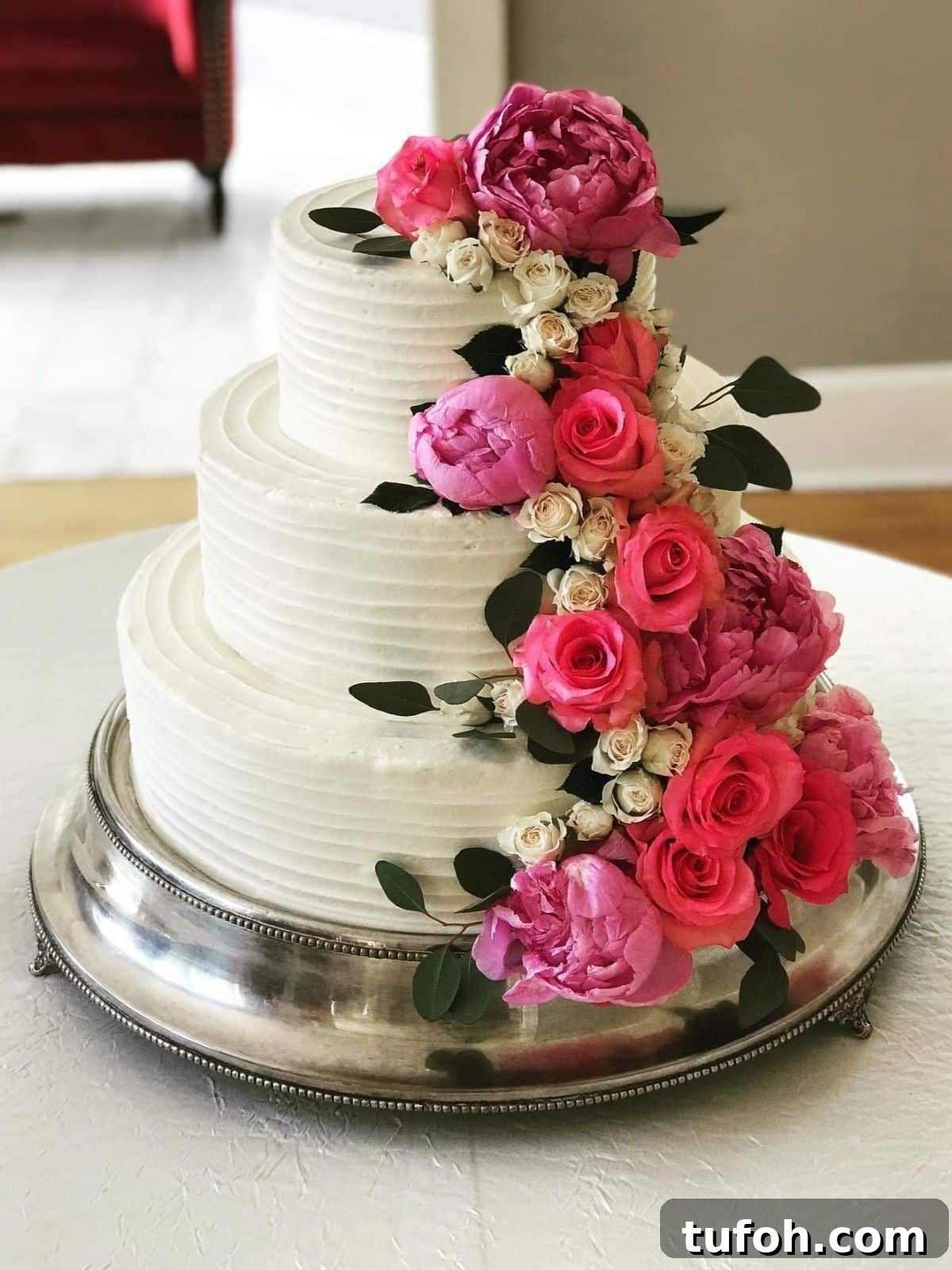
Check with the venue
Many venues have commercial refrigerators and will allow cakes to be stored before the event. For larger cakes, double-check fridge internal dimensions against the cake measurements. If a venue can’t accommodate a tiered cake, consider alternatives such as multiple smaller cakes or a dessert table.
2. Use a cake drum and a sturdy cardboard box
Always transport a tiered cake on a sturdy cake drum (a thick board) and inside a box that fits the drum snugly. If your baker provides a cake drum and box, use them. A fitted drum and box prevent shifting and protect delicate decorations during the drive.
What’s a cake drum?
Cake drums are heavy-duty boards, typically at least ½ inch thick, that support the cake’s weight. Professional setups often include a central dowel that runs through all tiers into the drum to hold everything securely in place and prevent sliding.
When the drum matches the box size, the cake sits steady and is much less likely to move or tip in transit.
How to make a tiered cake box
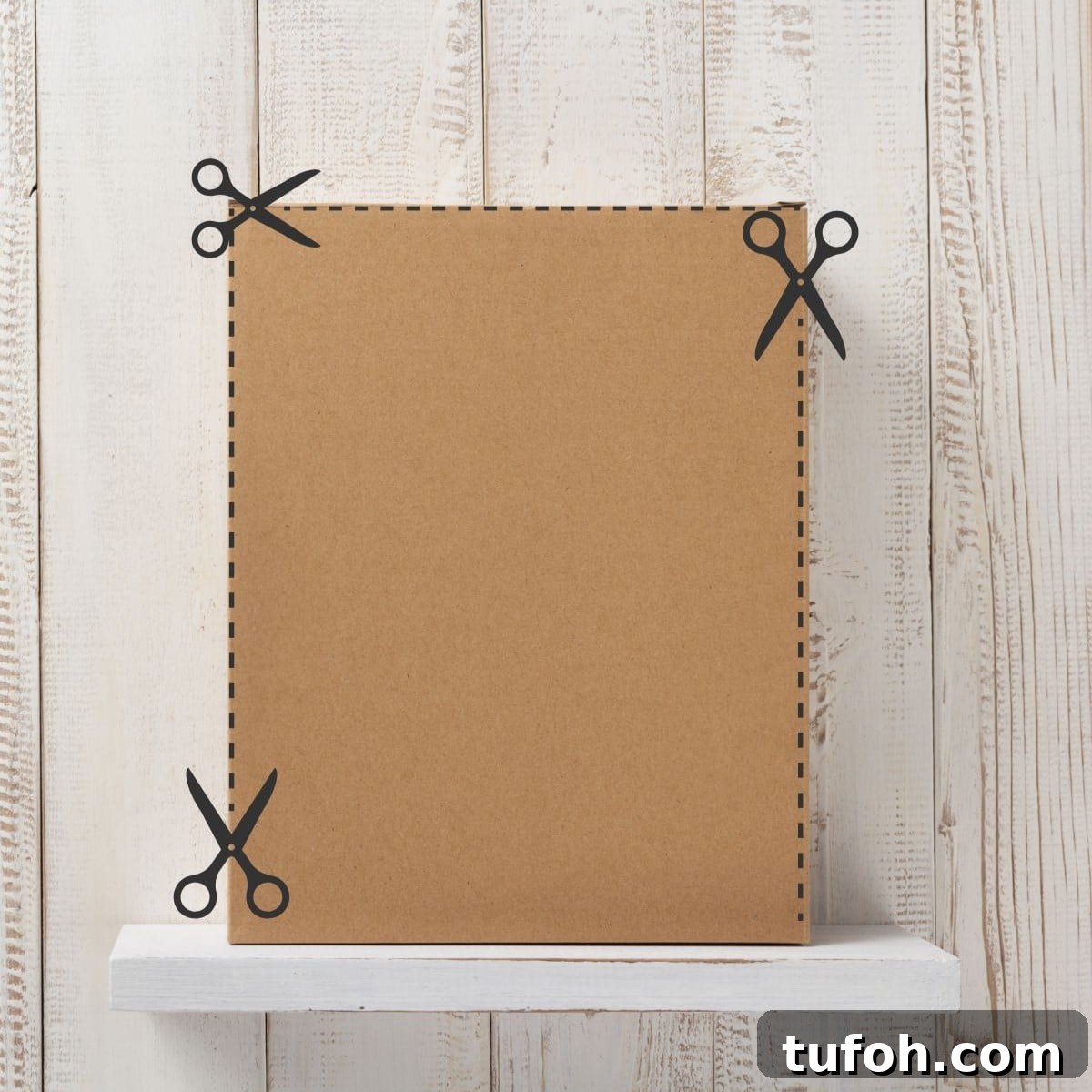
If you don’t have a commercial cake box, use a strong cardboard box that matches the cake drum diameter and is tall enough for the stacked tiers. Tape the short sides for strength, cut one long side to create a door that lets you slide the cake in and out, and then tape the door shut for the drive. Avoid boxes that are too small or flimsy.
3. Reserve a flat place in your vehicle (please, no laps!)
Place the cake box on a flat, level surface in the vehicle — the floor is usually best. Avoid laps, car seats, or tilted surfaces that make the cake vulnerable to sliding or tipping. An SUV or van with a flat cargo area works well.
Avoid deep containers and angled seats
Don’t put the cake in a deep container where you’ll have to lift it up and out; large cakes are heavy and can be damaged when maneuvering in and out. If the floor is slippery, put a non-slip liner (or a textured yoga mat) under the box to reduce movement. You may cushion the sides with soft items, but be careful not to press or push the box inward and damage the icing.
4. Keep the vehicle cool
Keep the car cool and out of direct sunlight during transport. Even cakes that don’t require refrigeration benefit from air conditioning, especially on warm days. Avoid long stops while the cake sits in a hot car.
Long trips and freezing
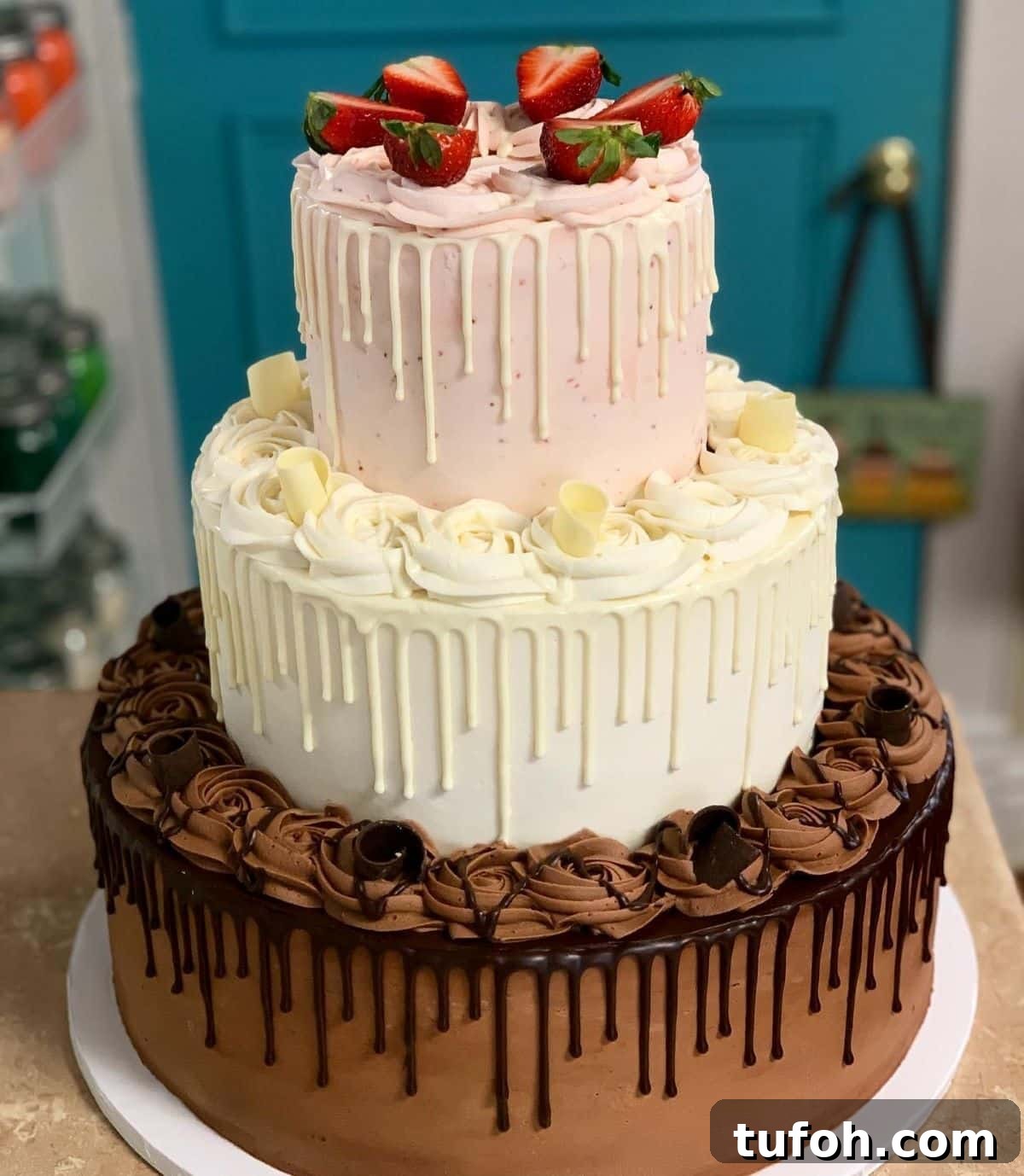
For trips longer than an hour, ask the baker if you can pick the cake up the day before and whether the cake can be frozen for safer transport. If frozen, store it in a fridge upon arrival so it thaws slowly. For very long distances, experienced bakers sometimes use insulated containers or dry ice solutions; consult the baker before attempting this.
5. Drive carefully with someone near the cake
Send two people if possible: one driver and one person seated close to the cake to monitor and steady it during the drive. Slow down for speed bumps, take turns wide and gentle, and avoid sudden braking. If you’re navigating unfamiliar roads, plan the route to minimize rough stretches.
6. Save the cake stand for the venue
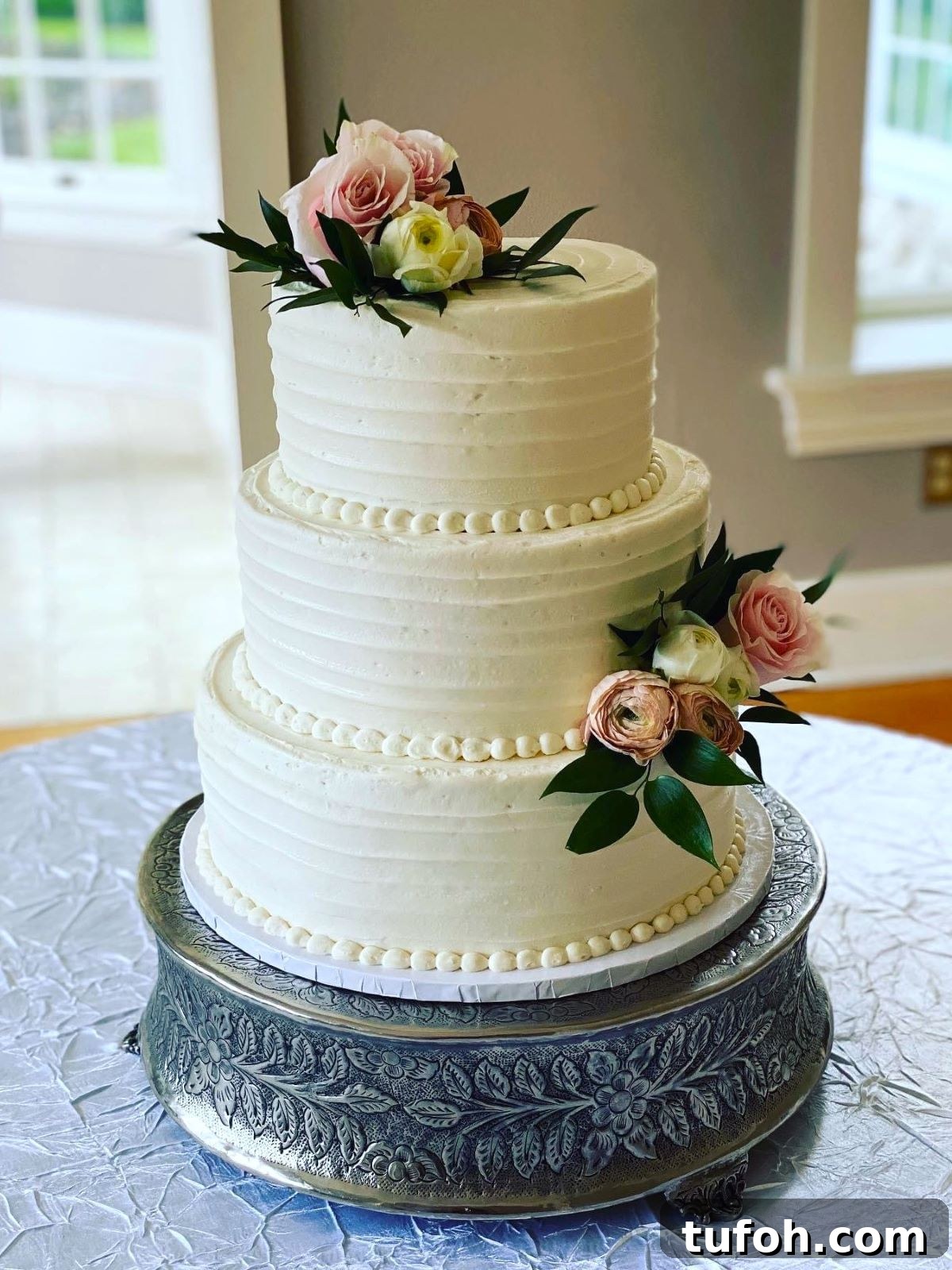
Unless you’re highly experienced, don’t transport the assembled cake on its decorative stand. Transport the cake on its drum or board and place it on the stand once at the venue. Often the venue can have the stand waiting on the cake table so you only need to move the cake itself.
7. Pass these steps to the pickup person
If someone else will pick up the cake, share these instructions with them. Confirm they have a vehicle with a flat space, understand refrigeration needs, and plan to avoid extra stops. Clear communication prevents surprises on pickup day.
Bring an emergency cake kit
Pack a small repair kit with extra frosting, spatulas, piping bags, offsets, and a few fresh flowers or extra decorations. These items let you do minor touch-ups if the cake sustains small dents or marks during transport.
Recipe & Step-by-Step Instructions
If you found these transport tips helpful, consider bookmarking them or forwarding to the person handling pickup. With careful planning — proper measurements, a sturdy drum and box, a cool vehicle, and cautious driving — your wedding cake should arrive looking as beautiful as when it left the bakery.
If you’re seeking cake recipes to pair with these transport tips, popular reliable options include classic vanilla with strawberry filling or a rich chocolate ganache cake. With the right precautions, your cake will look and taste fantastic at the reception. Good luck on cake delivery day!
Thanks for reading. ❤️