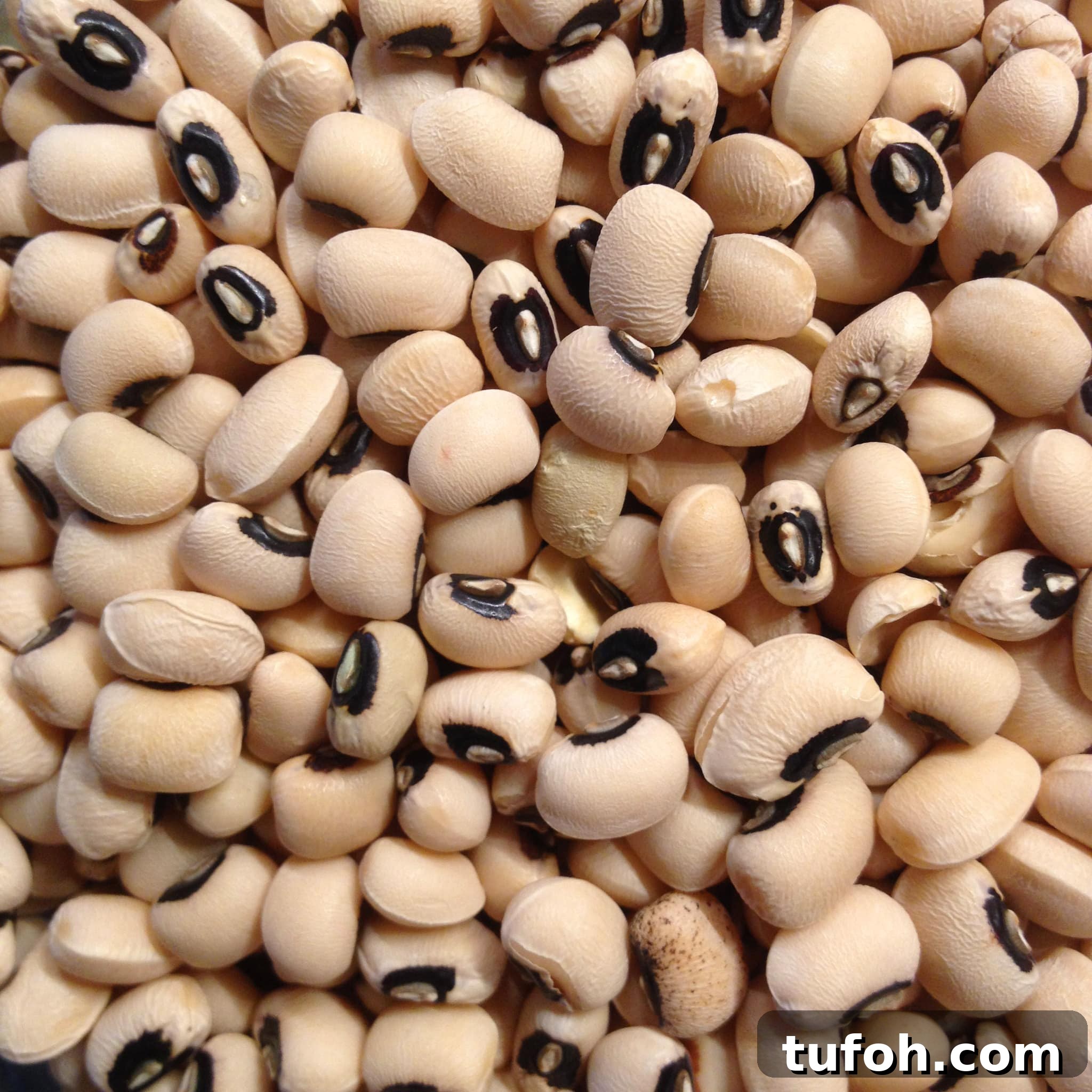
Lima beans are among the world’s most popular legumes. With a creamy texture and mild, buttery flavor, they enhance a wide range of dishes while providing valuable nutrition. Rich in fiber and plant-based protein, lima beans support steady energy levels and healthy digestion. People have enjoyed them for thousands of years, and they remain a versatile, wholesome ingredient that lifts soups, stews, salads, casseroles and more. Once you add lima beans to your cooking, they often become an essential pantry staple.
Canned lima beans are especially convenient and nutritious, making them an easy addition to weekday meals.
This article explains what lima beans offer nutritionally, how to store and cook them, and what health benefits they can provide. It also covers typical shelf life for canned lima beans so you know how long they’ll stay good in your pantry.
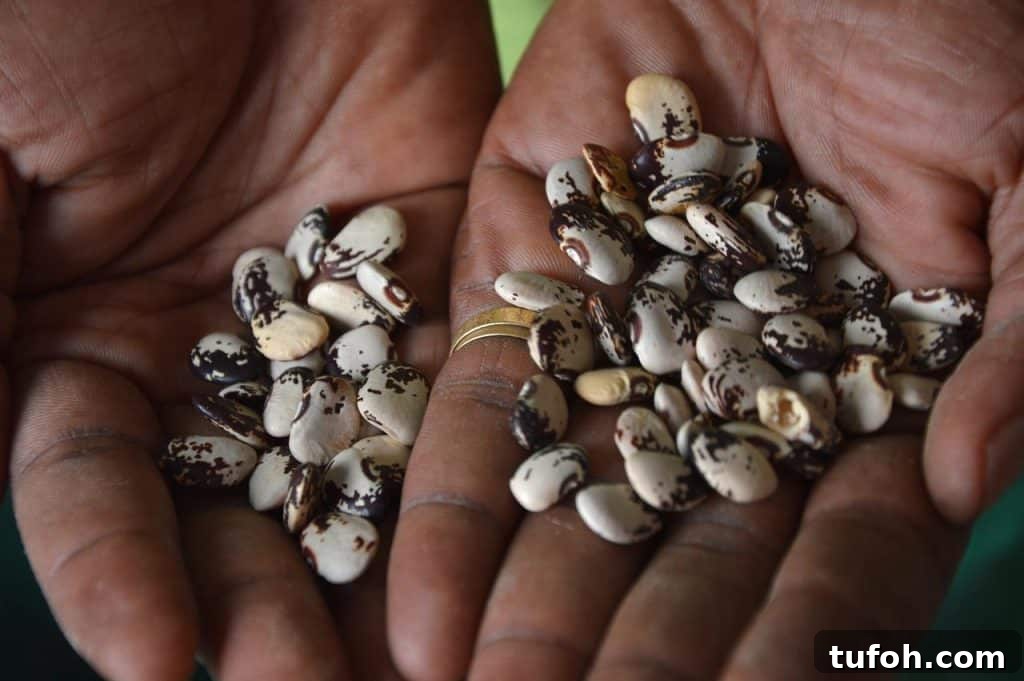
What is the nutritional value of lima beans?
Lima beans are an excellent source of dietary fiber and several key vitamins and minerals. A typical cup delivers significant fiber, which supports digestion and helps maintain stable blood sugar. Limas also supply folate, vitamin C, iron, magnesium, zinc and potassium—nutrients that contribute to overall health and vitality.
Their fiber content supports heart health and weight management, and their mineral profile supports metabolic and immune functions.
What are the health benefits of lima beans?
Lima beans contain soluble fiber, which dissolves in water and forms a gel-like substance during digestion. This soluble fiber can help lower cholesterol and support healthy blood pressure. Regular consumption of beans, including limas, has been associated with improved long-term health and a reduced risk of chronic diseases such as type 2 diabetes and cardiovascular disease.
In addition to fiber, the vitamins and minerals in lima beans—especially folate and iron—support cell health and energy production, making them a valuable component of a balanced diet.

How many calories are in a can of lima beans?
A standard serving or can of frozen lima beans typically contains about 120 calories, representing a modest portion of daily calorie needs while delivering fiber, protein and micronutrients.
Are lima beans a good source of protein?
Yes. Lima beans provide plant-based protein—about 5 grams per cup. While one cup does not meet an adult’s full daily protein requirement, it contributes meaningfully to daily intake and is especially helpful in vegetarian or mixed-protein diets. For children, a cup of lima beans supplies a substantial portion of their protein needs.
What is the shelf life of a can of lima beans?
Canned lima beans typically remain safe and high-quality for about a year when stored in a cool, dry place. Proper storage extends their usability; keeping cans away from heat and humidity helps maintain texture and flavor. For long-term storage of cooked or opened beans, freezing is an effective method: place beans in freezer-safe bags or containers, then thaw when needed. After thawing, use them within a few months and refrigerate leftovers promptly.
How should lima beans be cooked?
Lima beans work well in many dishes. Use canned or cooked limas in soups, stews, chili, casseroles and grain bowls. They blend smoothly into dips and spreads and also add creaminess to salads or side dishes. Season them with herbs, garlic, onion, tomato paste or stock for richer flavor. If using dried beans, soak and simmer until tender before adding to recipes.
What are some recipes that include lima beans?
Lima beans are versatile and appear in hundreds of recipes. Popular ideas include:
- Crock Pot Chili
- Hearty Bean Soups (such as ham and bean soup)
- Bean Dip or Spread
- Baked Lima Beans
- Lima Bean Casserole
- Lima Bean Salad with herbs and vinaigrette
- Hoppin’ John and other rice-and-bean dishes
- Lima Bean Quesadillas
Are lima beans a popular food?
Yes. Lima beans are a staple ingredient in many cultures, frequently served alongside rice, pasta, or as part of stews and soups. Their mild flavor and creamy texture make them suitable as a main ingredient or as a complement to meats and vegetables.
What countries grow lima beans?
Lima beans originated in Peru and have been cultivated in the Americas for millennia. Today, they are grown in several countries around the world, including the United States, Brazil, Mexico, Argentina, China, India and Canada. Their adaptability and nutritional value keep them in demand globally.
What is the history of lima beans?
Lima beans were cultivated in South America thousands of years ago and later spread to other regions. The species was formally described by botanists during the 19th century.
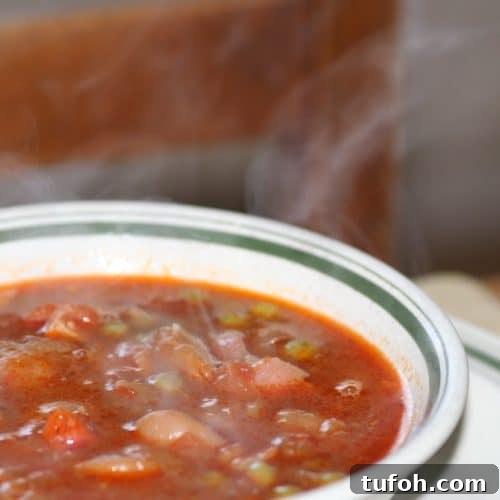
Pioneer Woman Ham and Bean Soup Recipe
15
1 15
1 30
Equipment
-
1 Pot
Ingredients
- 1 Ib Ham
- 4 cup Low sodium chicken stock
- 1 lb. Great northern white beans
- 2 large carrots
- 4 cloves garlic
- 1 whole onion
- salt
- pepper
- 2 tablespoons Tomato paste
- 2 diced stalks celery
- 2 whole bay leaves
- 3 whole Roma tomatoes
- Parsley
Instructions
-
Clean the beans and remove any small stones or debris.
-
Place beans in a large bowl and cover with at least two inches of water.
-
Soak overnight until they begin to soften.
-
Drain and transfer beans to a large pot.
-
Add chicken stock and 4 cups of water to the pot.
-
Bring to a boil, then reduce to a low simmer.
-
In a skillet, brown the ham until slightly crisp; drain excess fat and set most aside for the soup, reserving some for garnish.
-
Saute carrots, onion and celery in the skillet until softened, about 3–4 minutes. Season with salt and pepper.
-
Add garlic and tomato paste, cook a few minutes, then transfer vegetables and bay leaves to the simmering beans.
-
Simmer gently until beans are tender, about 1½ hours, adding more broth if the liquid gets low.
-
Taste and adjust seasoning with salt and pepper. Add chopped tomatoes if desired.
-
Garnish with reserved ham and chopped parsley, then serve.
Video
Nutrition
Carbohydrates: 35g
Protein: 34g
Fat: 18g
Fiber: 7g
Sodium: 1424mg
Related Posts
How To Tell If A Passion Fruit Is Ripe?
How Long Do Hot Dogs Take To Boil?
What Does Cottage Cheese Taste Like?
Canned Black Eyed Peas?