
Happy Pongal To All My Readers
Hope you are enjoying Pongal. Even on a festival I couldn’t resist writing about cookies — last week I experimented with glaze icing using liquid glucose. I’ve previously shared buttercream and simple icing sugar glazes, and this post describes how I achieved shiny, smooth glazed sugar cookies using liquid glucose instead of corn syrup (a common substitute in places where corn syrup is not available). The results were beautiful, though my wrist complained for a couple of days.

I used a heart cutter and kept the decorations mostly Valentine-themed: hearts, polka dots and a few silver sugar pearls for a touch of elegance. Polka dots and simple shapes are quick to make and look great once the icing dries, so choose a design you feel comfortable with. I worked with only two colors since I wasn’t in the mood for elaborate work — but if you enjoy detailed decorating, you can create vivid multi-colored cookies to delight friends and family.

Cooling and consistency are key. Always cool the baked cookies completely before icing — even slight warmth will soften the glaze. Start by preparing a stiffer icing for outlining and use a very small piping tip. Let the outline dry fully before flooding. Flooding is filling the outlined cookie with thinner icing. To judge consistency, I made a “20-second” flood icing: when you drag a spoon through it, the line should disappear in about 20 seconds. If it disappears too quickly add more icing sugar; if it takes much longer, thin with a little milk. I learned these tips from reading many baking blogs — they were invaluable.

For flooding you don’t need a piping nozzle: fill a piping bag, cut a small hole, and gently squeeze to fill the area inside the outline. Keep a toothpick handy to coax the icing into corners and smooth any bubbles. The outline keeps the flood icing from running off the edges, but avoid overfilling or it will spill. After flooding, let the cookies rest while the glaze sets — I left mine in the oven with the door slightly ajar overnight. Once dry, add any final decorations and let them dry again for at least four hours before storing in an airtight container. Properly dried, they stay crisp for a week or more.

Eggless Sugar Cookies
This dough was easy to work with and did not require chilling. Unlike many roll-out cookie recipes that require refrigeration to prevent spreading, this version holds its shape without chilling. If the dough feels sticky dust your counter with flour. The recipe I used originally contained an egg; I substituted 1/4 cup milk to make it eggless. The dough rolls, cuts and bakes into neat cookies ideal for decorating.
Recipe Source: Food (roll-out cookies)
Makes: About 4 dozen heart cookies
Ingredients
Butter — 1 cup
Granulated sugar — 1 cup
Milk — 1/4 cup
Baking powder — 2 tsp
Vanilla extract — 1 tsp
All-purpose flour (maida) — 3 to 3 1/4 cups
Procedure
1. Preheat oven to 200°C.
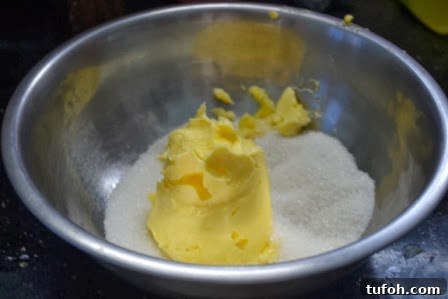
2. Cream butter and sugar until pale and fluffy.
3. Add vanilla and milk, beat until light.
4. Whisk flour and baking powder together.
5. Add flour in portions: add one cup, beat to combine; add the second cup and beat again.
6. Add the final cup and mix by hand to form a soft dough. If sticky, add extra flour until it’s manageable.
7. Dust your work surface with flour. Divide dough into four portions and roll one portion at a time to about 1/8″ thickness.
8. Dip cutters in flour and cut shapes; place on a greased or lined baking tray.
9. Bake 8–10 minutes until the edges are lightly browned — if they don’t brown they may remain soft.
10. Remove tray from oven and let it sit on the counter for about 10 minutes before transferring cookies to a wire rack. They are fragile right out of the oven; wait until they firm up slightly before moving them.
11. Allow cookies to cool completely before icing.
Glaze Icing with Liquid Glucose
Liquid glucose gives the glaze a glossy, professional finish. Always sift icing sugar to avoid lumps that clog tiny piping tips. I made two batches for about four dozen cookies; the glaze stores well in the fridge. Bring it to room temperature before using — it returns to a smooth consistency with no detectable difference.

Glaze Ingredients:
Liquid glucose — 1 tbsp
Milk — 1 tbsp plus extra if needed
Icing sugar — 1 cup, sifted
Lemon juice — 2 drops (to balance sweetness)
Glaze Procedure:
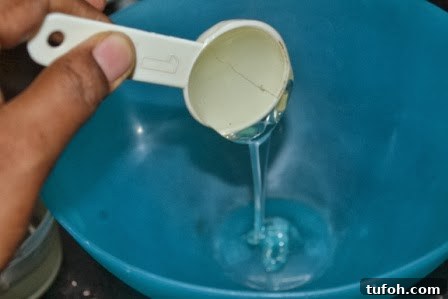
1. Combine milk and liquid glucose in a bowl and mix until the glaze thins. Add lemon juice and stir.
2. Sift icing sugar into the milk-glucose mixture and mix. If very thick, add 1 tsp milk at a time until you achieve a dropping consistency suitable for flooding.
3. If you add too much milk, correct the consistency with more icing sugar. For outlining use a slightly thicker consistency; for flooding use the thinner “20-second” consistency.
To pipe, fit a small nozzle and place the bag upright in a tall glass while you fill it. Secure the bag end with a rubber band. Pipe a steady outline around the cookie, allow it to set, then flood the interior with the thinner glaze. Smooth with a toothpick if needed and leave overnight to dry. Decorate the next day with contrasting colors, sprinkles or sugar pearls, and let the decorated cookies dry completely before storing.

Let them dry thoroughly before storing — they look and taste adorable once finished!


Summary of Ingredients
For the cookies: butter, granulated sugar, milk, baking powder, vanilla, all-purpose flour.
For the glaze: liquid glucose, milk, sifted icing sugar, a few drops of lemon juice.
Follow the steps above for dough preparation, baking, and glazing to get glossy, decorated cookies that stay crisp and look professional. Enjoy making them and happy decorating!