Wondering what to eat during spring? Here are 10 of the best healthy spring foods you can add to your favorite recipes while they’re in season and full of nutrients.
Spring brings renewal to gardens, markets, and kitchens. As flowers and herbs reawaken, many fresh vegetables and greens also reach peak flavor and nutrition. Choosing seasonal produce not only tastes better but often provides more vitamins, minerals, and antioxidants. Below are ten healthy spring foods to enjoy while they’re at their best, with simple ideas for including them in meals.
1. Spinach
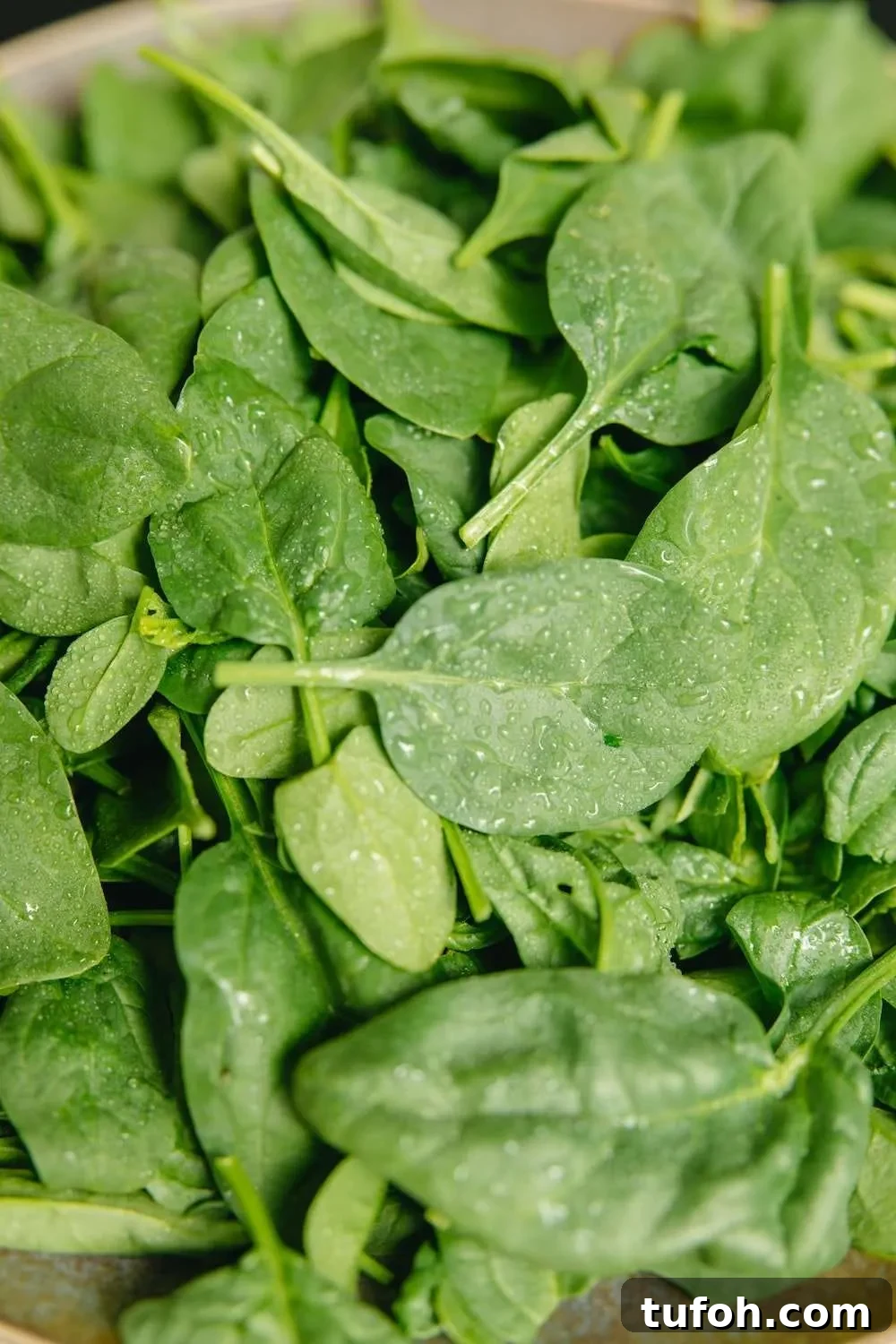
Spinach is one of the earliest spring greens. Rich in vitamins, minerals, and fiber, it supports eye health, helps manage blood pressure, and reduces oxidative stress. Baby spinach works great raw in salads or smoothies, while mature leaves are excellent sautéed, added to soups, or mixed with grains like bulgur or rice for a nourishing side or main.
Favorite recipes with spinach:
- The Best Green Smoothie
- Easy Spinach and Bulgur
- Chickpea and Spinach Cakes
2. Arugula
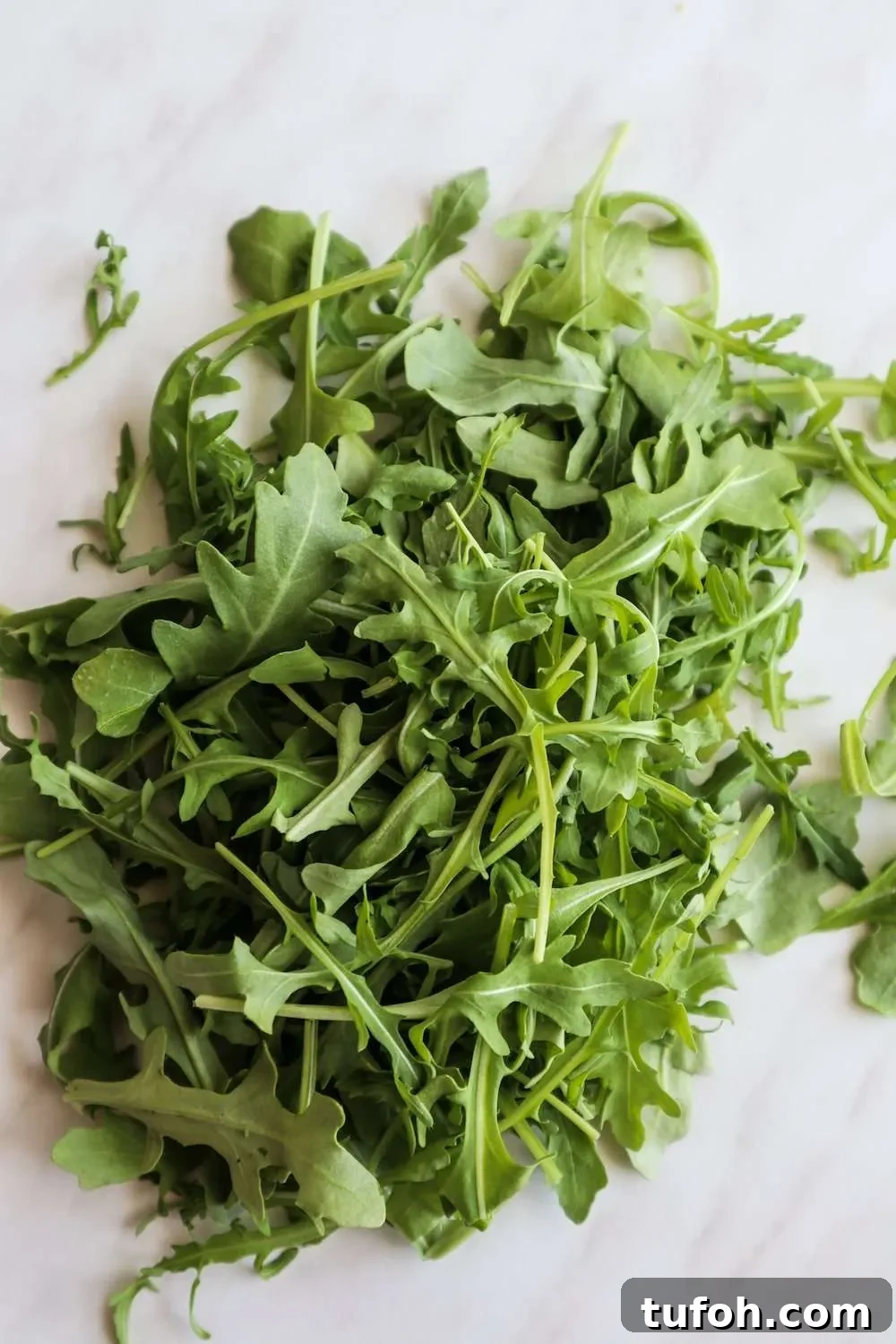
Arugula, a peppery green from the Mediterranean family, is nutrient-dense yet low in calories and carbohydrates. Its bold flavor brightens salads, sandwiches, and pizzas. It also makes a vibrant alternative to basil in pesto for a spicy, nutty twist.
Favorite recipes with arugula:
- Avocado, Shrimp and Arugula Salad
- Anti-Inflammatory Salmon Salad
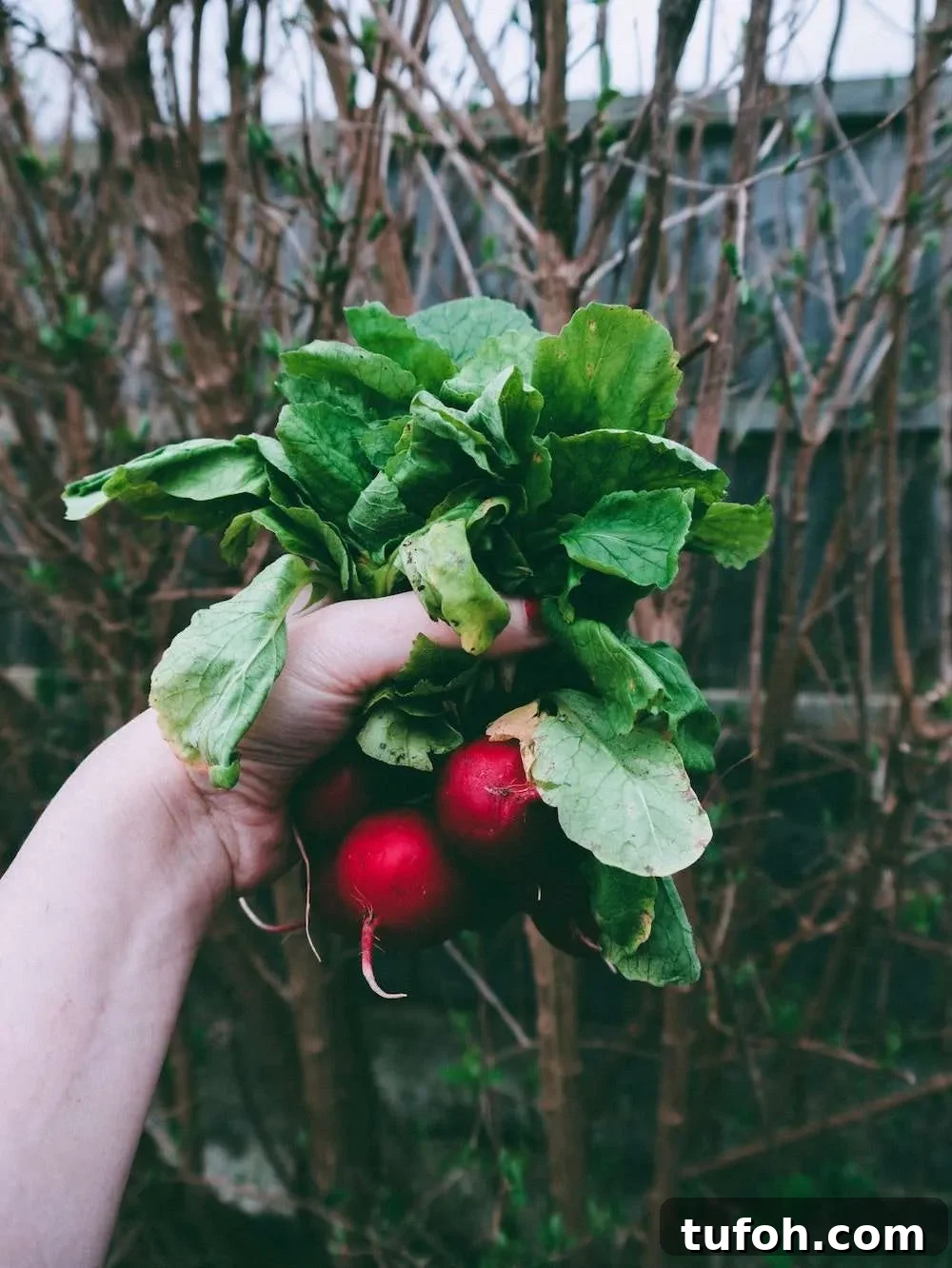
3. Radishes
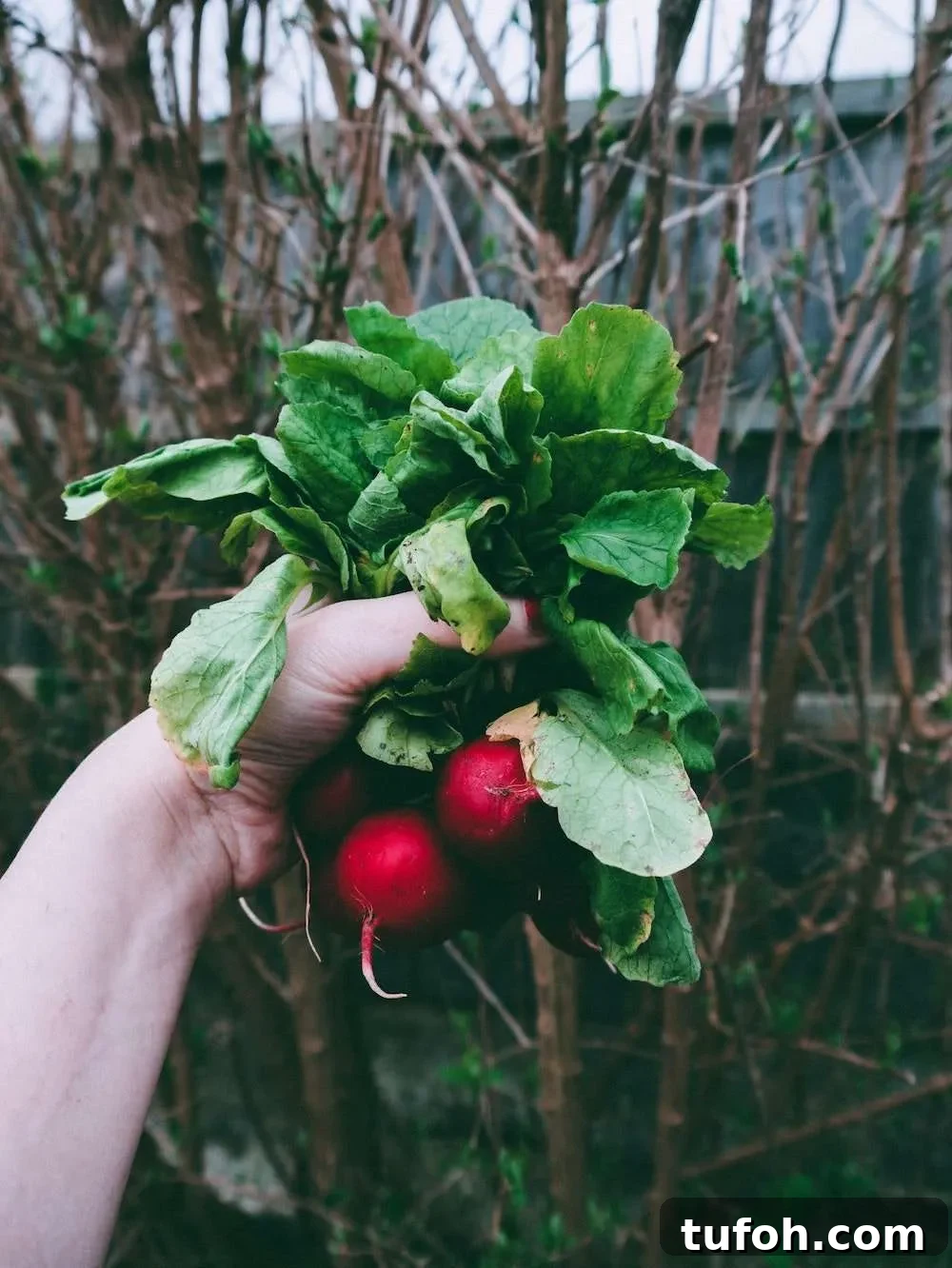
Radishes are crisp, low in calories and rich in vitamin C and other nutrients. Their peppery crunch adds texture and brightness to salads, tacos, and sandwiches. Try thin slices on toast with hummus or add to wraps for extra bite. They’re also used in traditional medicines for digestive support.
Favorite radish recipes:
- Avocado Chickpea Salad
- Mediterranean Salmon Salad
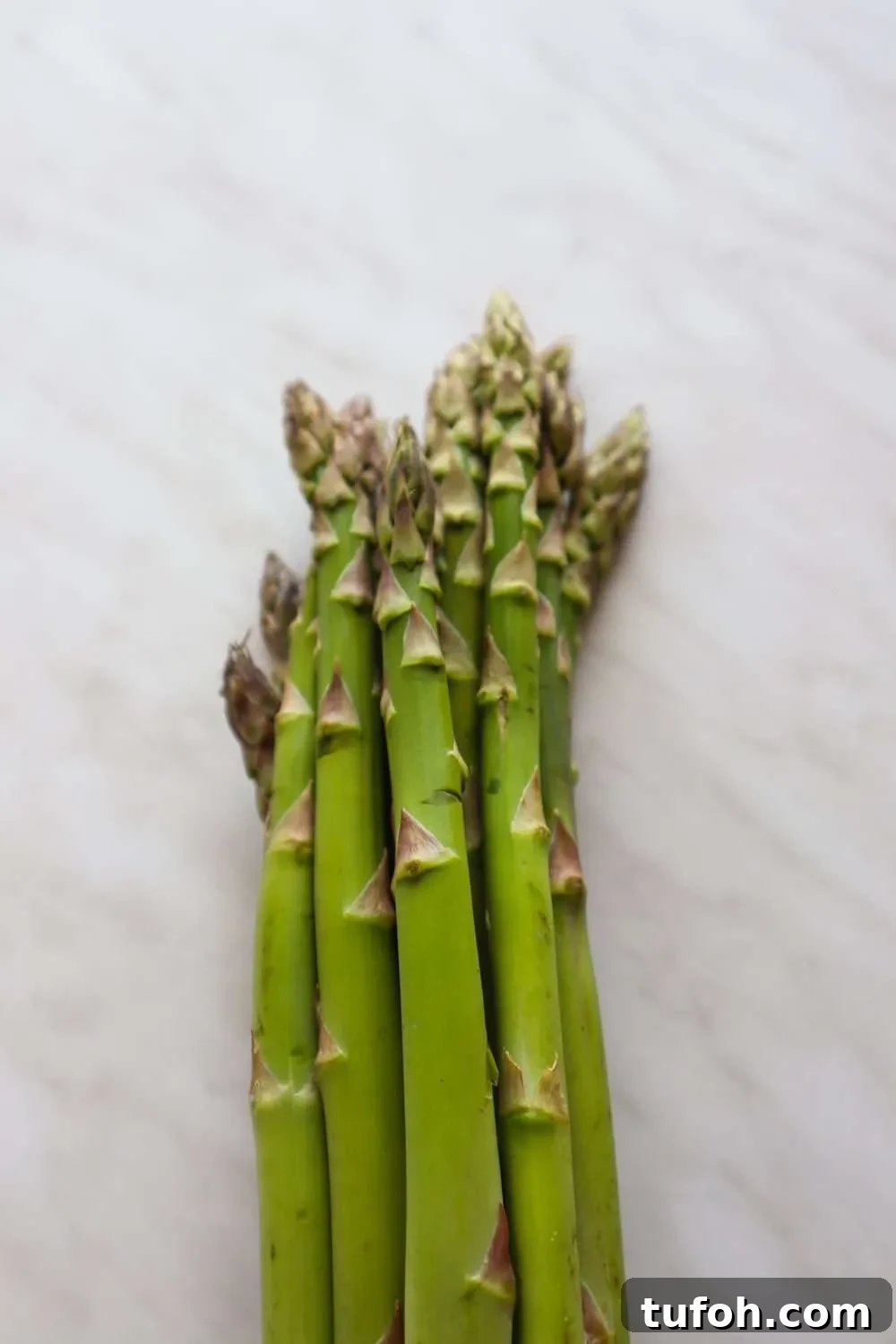
4. Asparagus
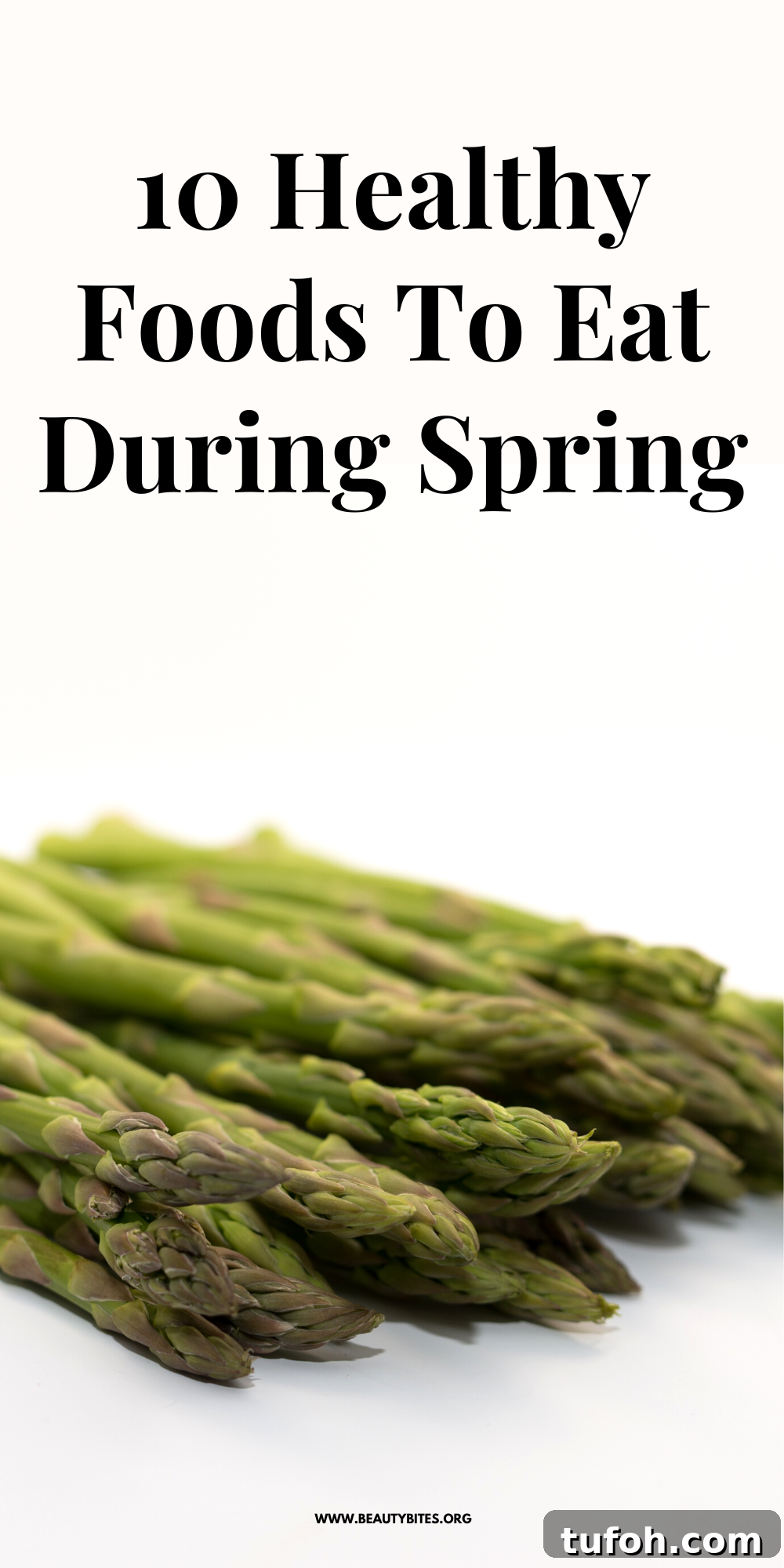
Asparagus is a classic spring vegetable prized for its delicate flavor and nutritional profile. Available in green, purple, and white varieties, its tender shoots are rich in vitamins, minerals, and antioxidants. Steam, sauté, roast, or grill asparagus for a quick side dish, or add it to salads, pasta, omelets, and frittatas.
Favorite asparagus recipes:
- Easy Asparagus Salad
- Tasty Salmon Lettuce Wraps
5. Lettuce
Lettuce comes in many varieties and makes an excellent base for fresh spring salads. While sometimes dismissed as low in nutrients, lettuce supplies vitamins B, C, and K as well as antioxidants while remaining low-calorie. Use loose-leaf, romaine, or butterhead as salad greens, in lettuce wraps, or even lightly cooked in soups or sautés.
Favorite spring recipes with lettuce:
- Curried Chickpea Lettuce Wraps
- Healthy Chicken Salad
6. Parsley
Parsley is a versatile Mediterranean herb with a bright, fresh flavor. Widely used across many cuisines, it adds depth to salads, tabbouleh, soups, stews, seafood dishes, and roasted vegetables. Parsley also provides vitamin C, vitamin A, and other beneficial nutrients that elevate both taste and nutrition.
Favorite parsley recipe: Super Fresh Quinoa Tabbouleh
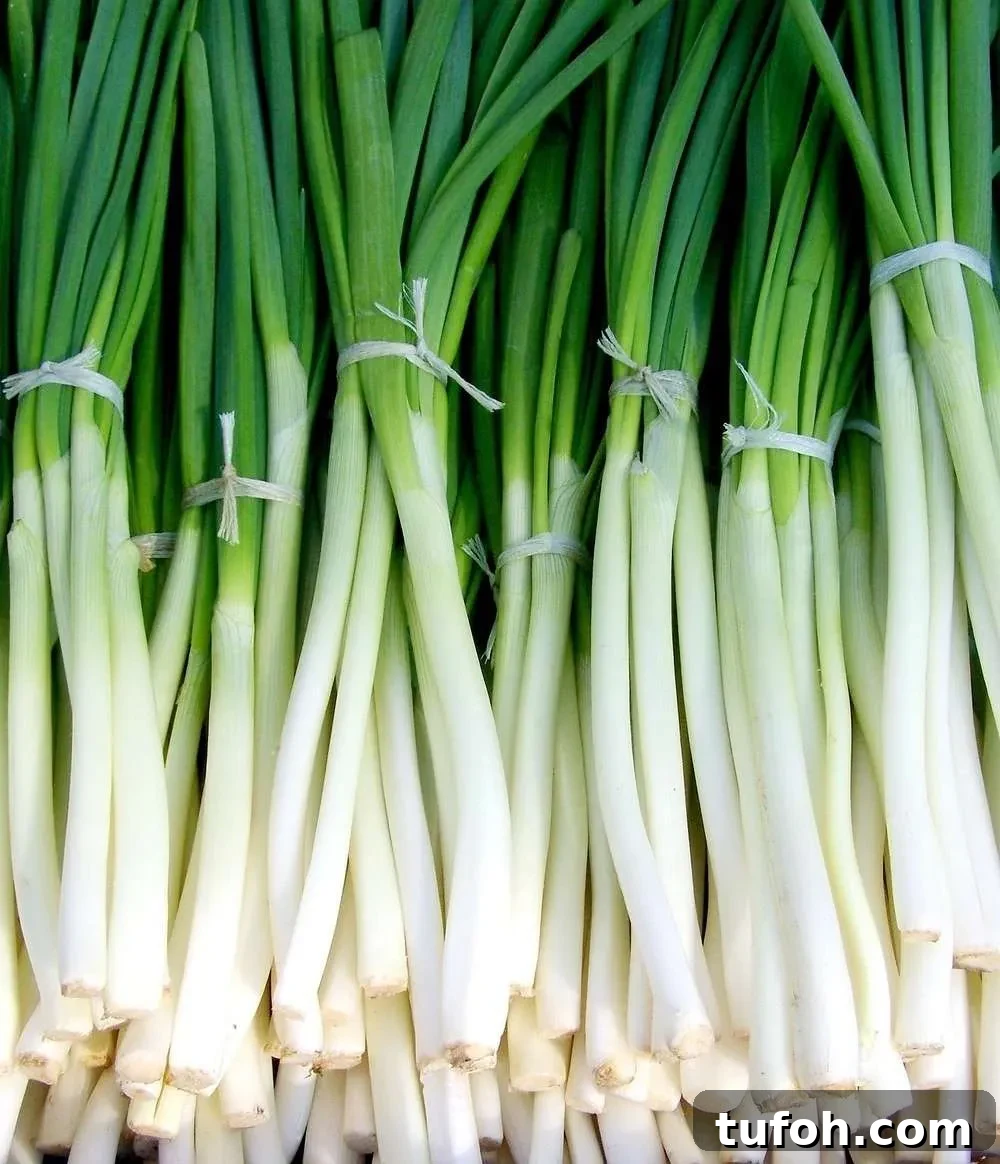
7. Scallions
Scallions, or green onions, are an early-spring favorite that add freshness and a mild onion flavor to many dishes. They’re a good source of fiber and antioxidants. Use chopped scallions raw in salads, as a garnish, or cooked in stir-fries, soups, frittatas, and sauces. Grilled whole scallions pair well with roasted vegetables like asparagus.
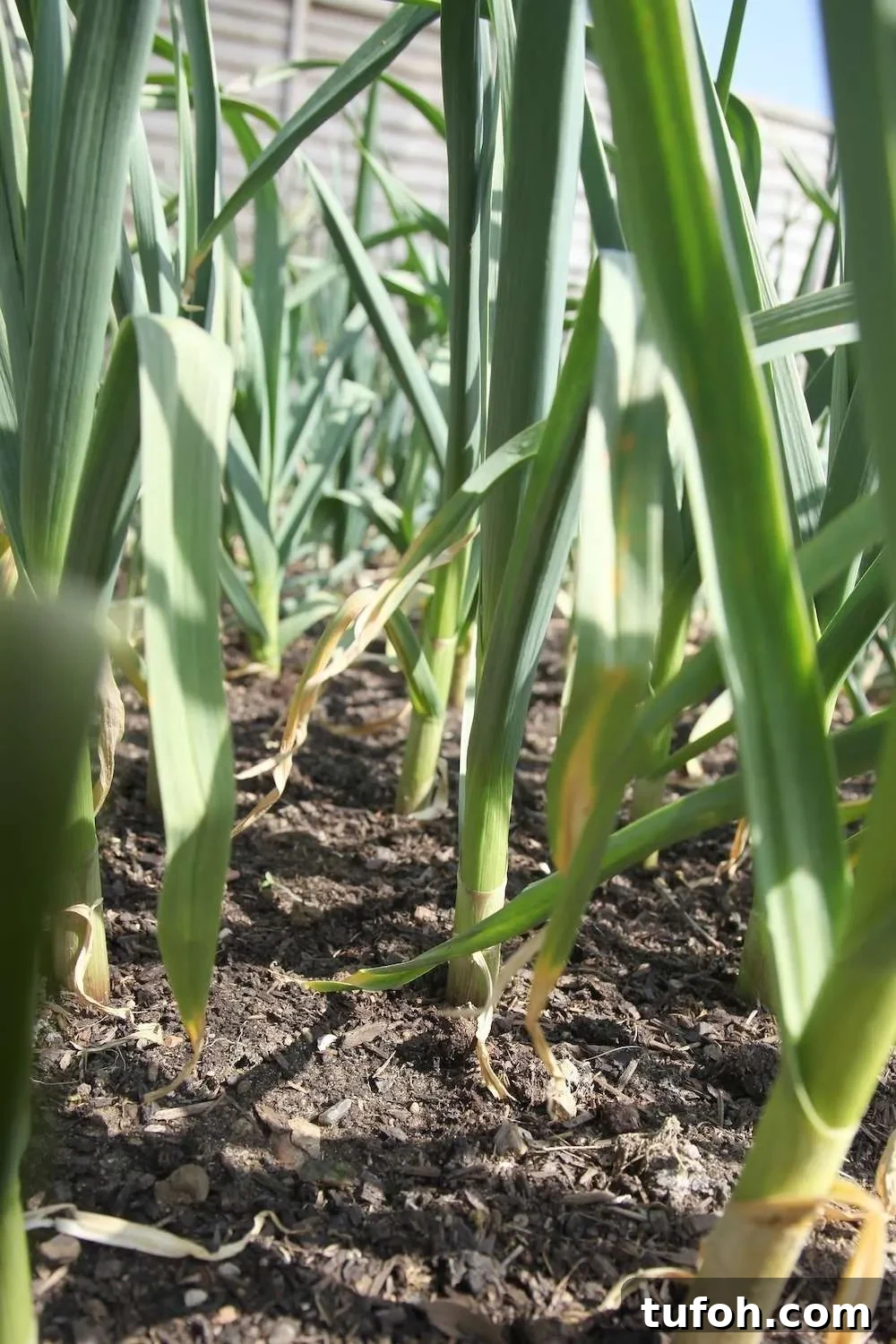
8. Green Garlic
Green garlic is young, tender garlic with a milder flavor than mature bulbs. Both the stalk and small bulb are edible and offer gentle garlic notes ideal for spring cooking. Use it chopped or minced in dressings, sautés, soups, rice dishes, and stews. Green garlic also carries natural antimicrobial properties traditionally appreciated for colds and infections.
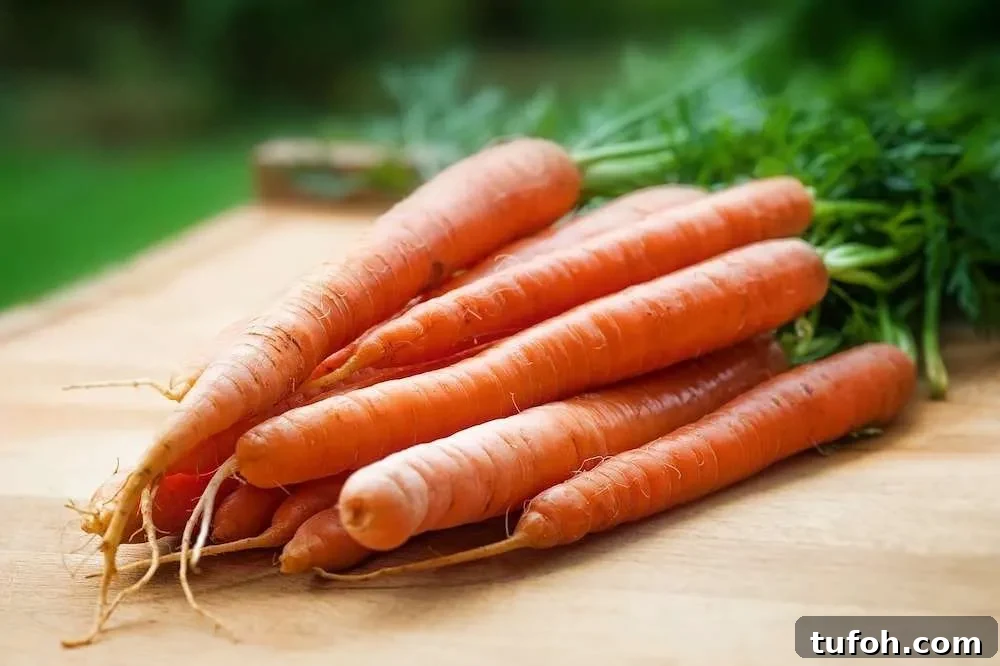
9. Carrots
Carrots are a popular spring vegetable notable for their beta-carotene and antioxidant content. Available in orange, purple, red, white, and yellow varieties, they work well raw or cooked. Add grated carrots to salads, juice them for a nutrient boost, or roast, steam, or braise them as a side. Carrots are also a natural fit for baked goods like carrot cake.
Favorite carrot recipes:
- Easy Flourless Oatmeal Carrot Cake
- Roasted Vegetable Dip
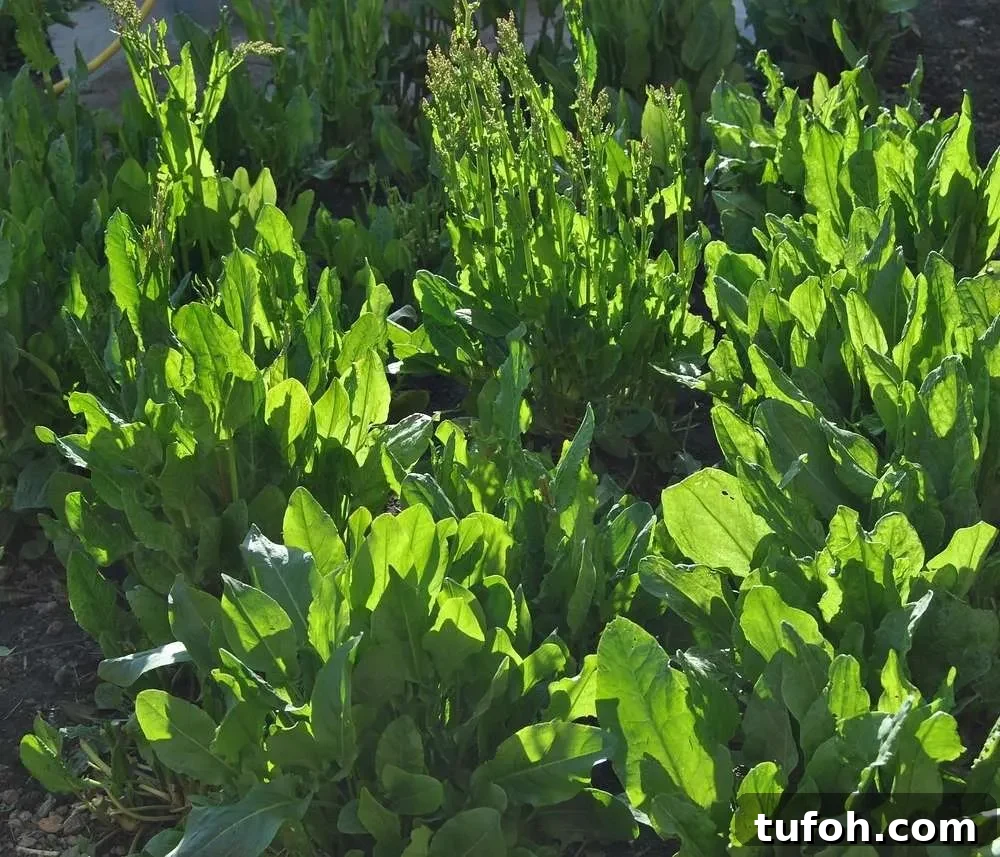
10. Sorrel
Sorrel is a tangy, lemony leafy green sometimes called spinach dock. In season during spring, it brings a bright, acidic note to soups, rice dishes, and salads. Sorrel pairs especially well with potatoes, carrots, eggs, and oily fish, and is used traditionally in some Mediterranean fillings and pies.
More Healthy Foods To Eat
These ten spring foods are a great starting point for seasonal, nutrient-dense meals. If you enjoy eating healthfully, consider adding other nutrient-rich herbs, low‑carb vegetables, and high-fiber foods to your rotation to keep meals varied and satisfying.
- 8 Anti-Inflammatory Herbs and Spices to Add to Your Diet
- 20 Alkaline Low-Carb Vegetables
- 52 High-Fiber Foods to Eat More Often
Healthy Spring Foods
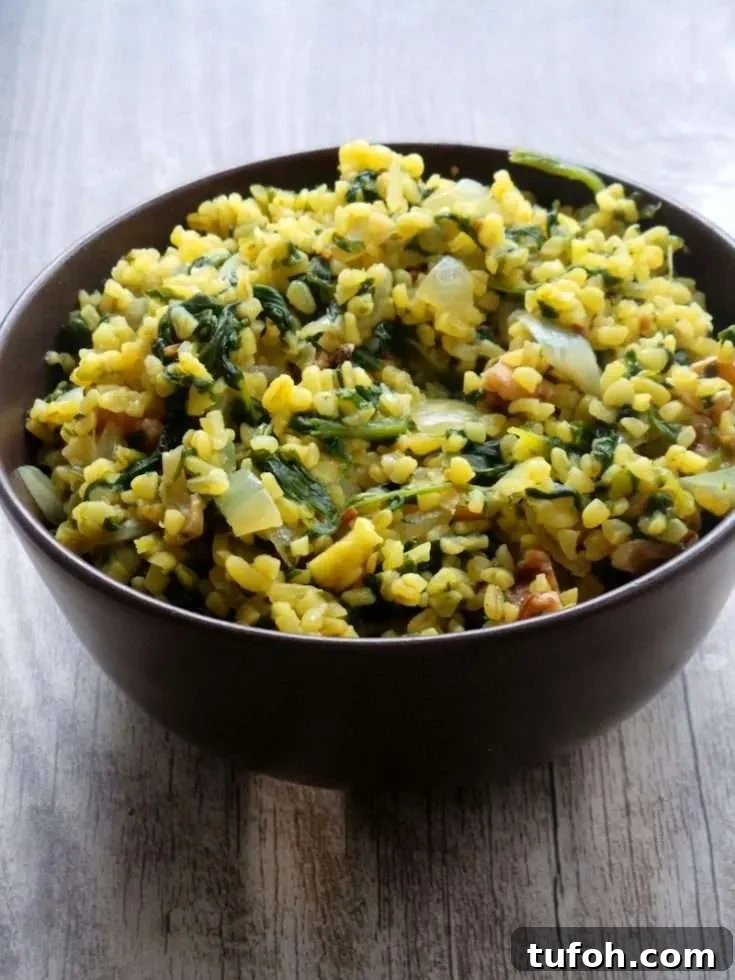
Enjoy more of these healthy spring foods while they’re in season to boost your nutrient intake. Start with this simple bulgur and spinach recipe, perfect for spring.
10 minutes
15 minutes
25 minutes
Ingredients
- 1 1/2 cups bulgur (coarse)
- 1 1/2 cups spinach (tightly packed) or 1 cup frozen spinach
- 1 large onion (or 3 scallions)
- 2 cloves garlic
- 1 1/2 tsp ground cumin
- 1 tsp turmeric
- 1/2 tsp dried chili or hot paprika (optional)
- 10 fresh mint leaves
- some chopped walnuts (optional)
- 1 tbsp olive oil
Instructions
- Chop the onion and mince the garlic. Rinse and drain the bulgur.
- In a large pan over medium-high heat, sauté the onion and garlic for about 1 minute. Add cumin, turmeric, and chili, stir briefly, and add 2–3 tablespoons of water to prevent burning. Stir again.
- Add the rinsed bulgur and spinach. Pour in about 1 cup of hot water so it just covers the ingredients, add a pinch of salt, stir, and cover. Reduce heat and cook, checking occasionally and adding a little more water if needed.
- When bubbles appear, stir and add the fresh mint.
- Cook about 15 minutes total. Remove from heat, stir in olive oil, adjust salt to taste, add walnuts if desired, and serve warm.
- To reheat, add a splash of water as bulgur can dry out when stored.
Nutrition Information:
Yield:
3
Serving Size:
1
Amount Per Serving:
Calories: 202Total Fat: 8gSaturated Fat: 1gTrans Fat: 0gUnsaturated Fat: 6gCholesterol: 0mgSodium: 85mgCarbohydrates: 30gFiber: 10gSugar: 3gProtein: 8g