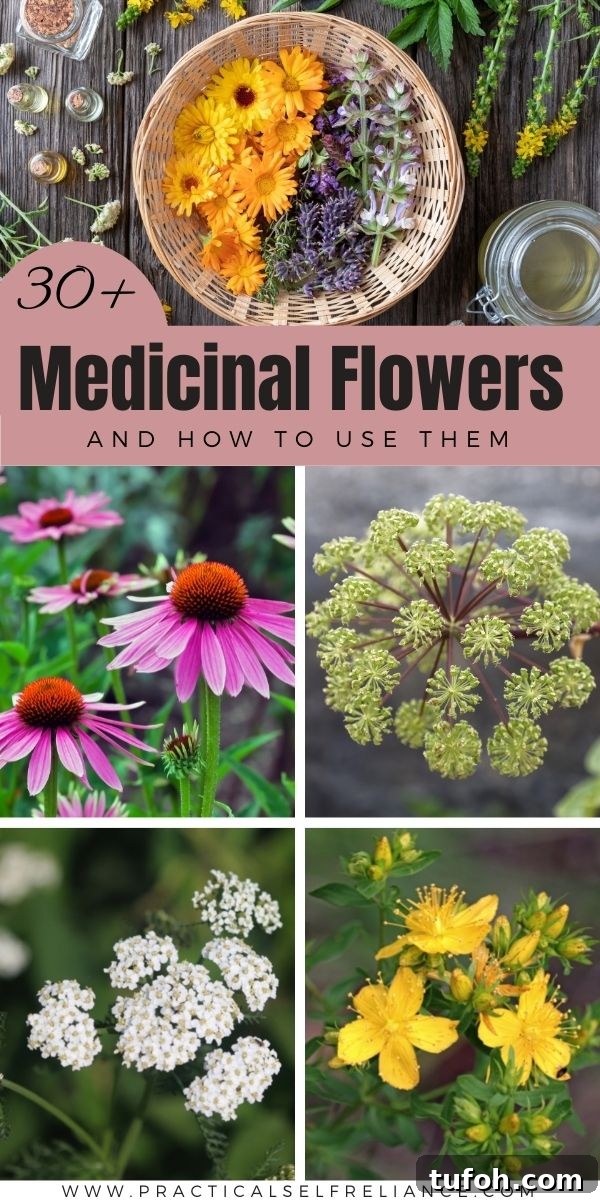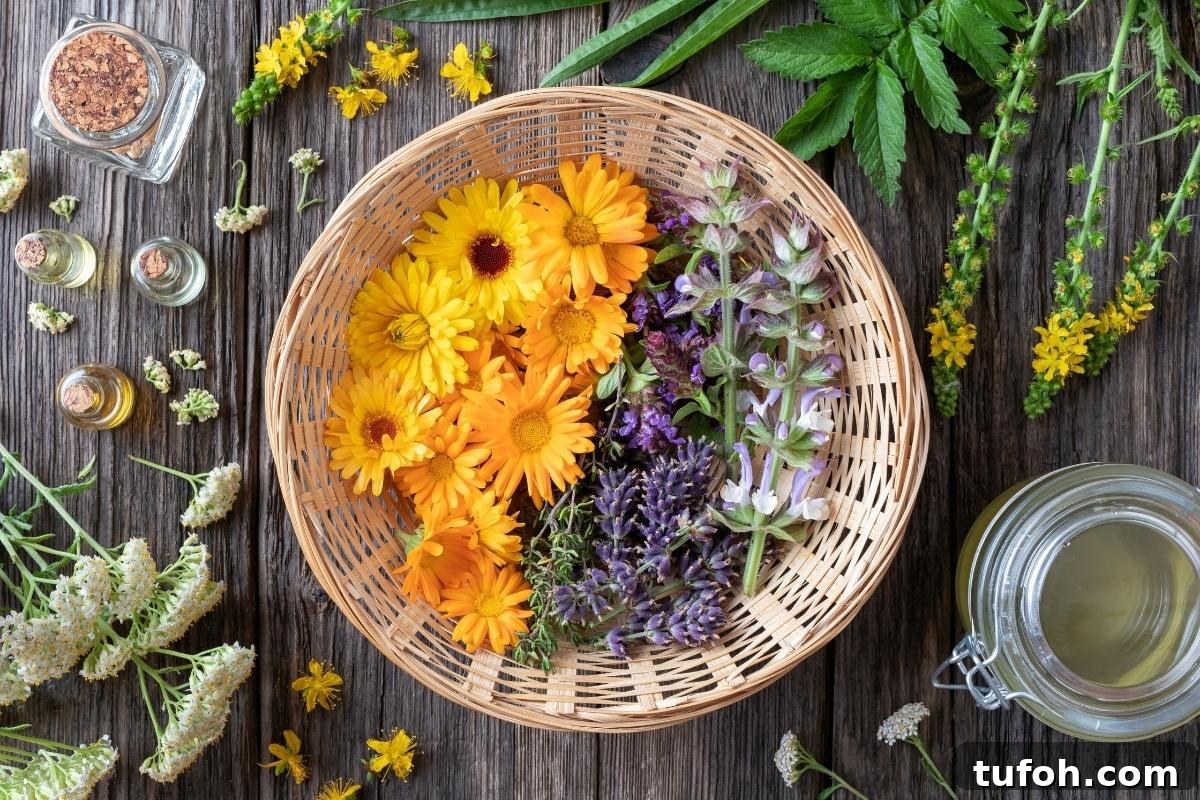
Medicinal flowers are a wonderful way to cultivate homemade herbal remedies while adding color and fragrance to your garden.
Flowers brighten any garden and many offer medicinal benefits beyond their beauty.
When I added more blossoms to our garden, I focused on edible flowers that would encourage my children to explore outside. They love finding fragrant blooms, and knowing they’re safe to taste makes outdoor time more fun and less worrisome.
While researching edible blooms, I discovered how many flowers also have medicinal uses. We grow a variety of medicinal plants on our homestead, and the flowers are often the easiest parts for my daughter to recognize and remember.
Even as a preschooler she learned to pick chamomile for a soothing tea when her baby brother was teething. That simple act gave her confidence and a real way to help. Showy flowers tend to be more memorable than roots, bark, or leaves, making them a great gateway into herbal knowledge.
Note: Many medicinal flowers are mild and relaxing, like chamomile and lavender. Others are potent and can be dangerous if used incorrectly. Foxglove, for example, contains powerful cardiac compounds and should only be used under professional supervision. Some plants, such as arnica and comfrey, are intended for external use only. Always follow recommended preparations for each species.
I am not a clinical herbalist. This guide reflects personal experience and research and is intended as a starting point. Verify information with multiple reliable sources and consult a qualified herbalist or medical professional before using any medicinal plants.
Medicinal Flowers
Many medicinal flowers are also edible and can be used in teas, infusions, cordials, and tinctures. Others are suited only for topical preparations. If you are new to herbal preparations, learn proper methods for each plant and understand safe dosing and routes of administration.
Herbal courses and reputable guides help beginners learn to make infusions, tinctures, and salves safely. If you plan to combine herbs, consider studying formulations so you can design blends that complement and amplify therapeutic actions.
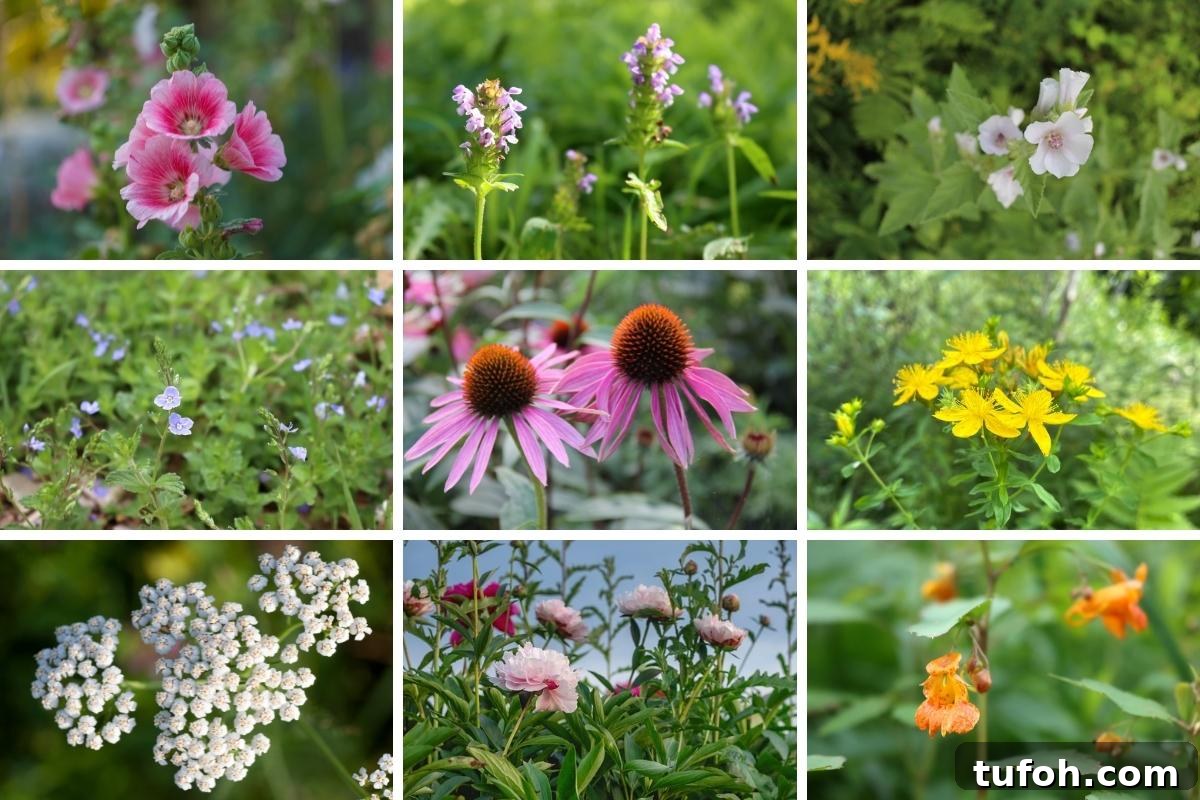
List of Medicinal Flowers
This selection includes many common medicinal flowers you can grow or forage. Most are easy to identify, many self-seed, and many were historically gathered from the wild before becoming popular in cottage gardens.
- Agrimony (Agrimonia sp.)
- Angelica (Angelica sp.)
- Arnica (Arnica montana)
- Bee Balm (Monarda sp.)
- Black-Eyed Susan (Rudbeckia hirta)
- Blue Vervain (Verbena hastata)
- Borage (Borago officinalis)
- Calendula (Calendula officinalis)
- California Poppy (Eschscholzia californica)
- Red Clover (Trifolium pratense)
- Chamomile (Matricaria recutita, Anthemis nobilis)
- Daisy (Bellis perennis)
- Dandelion (Taraxacum officinale)
- Echinacea (Echinacea purpurea)
- Elderberry (Sambucus nigra)
- Evening Primrose (Oenothera biennis)
- Feverfew (Tanacetum parthenium)
- Foxglove (Digitalis lanata) — highly toxic, professional use only
- Hawthorn Flowers (Crataegus sp.)
- Herb Robert (Geranium robertianum)
- Hollyhock (Alcea rosea)
- Jasmine (Jasminum officinale)
- Lavender (Lavandula angustifolia)
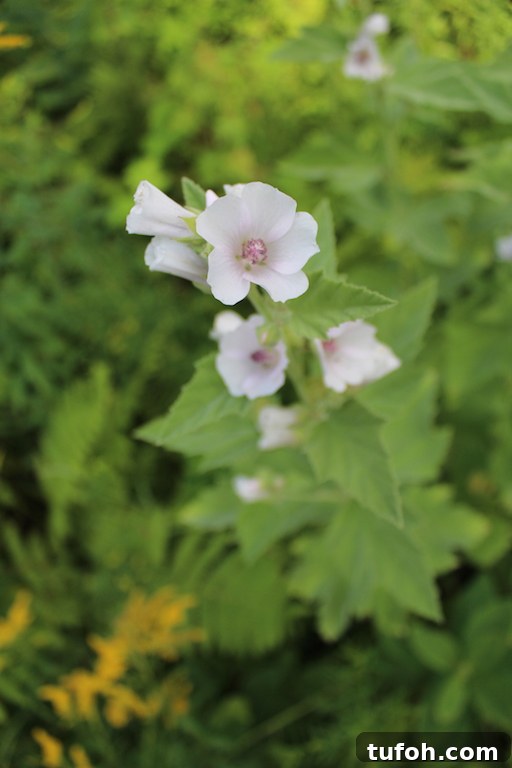
- Marshmallow (Althaea officinalis)
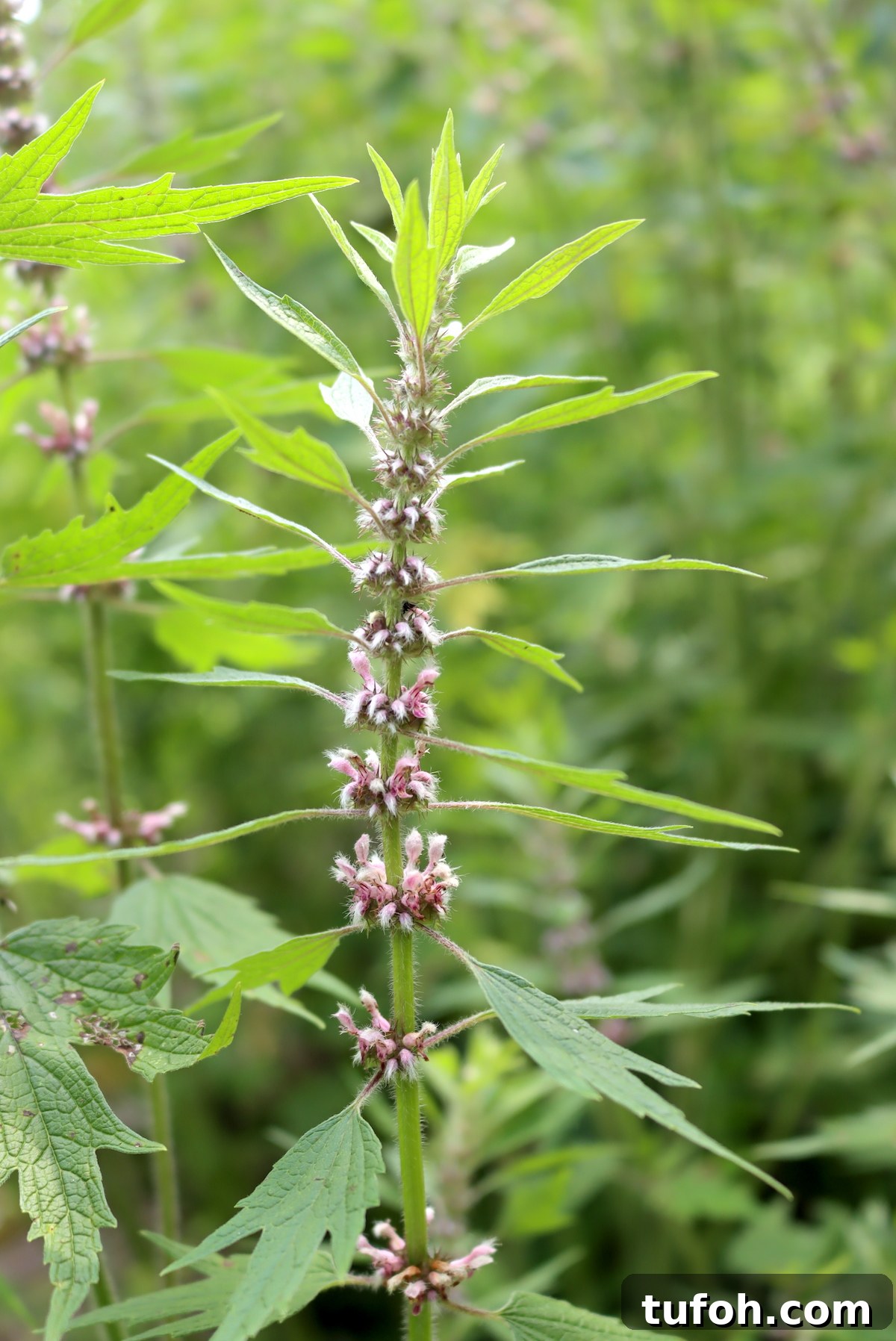
- Motherwort (Leonurus cardiaca)
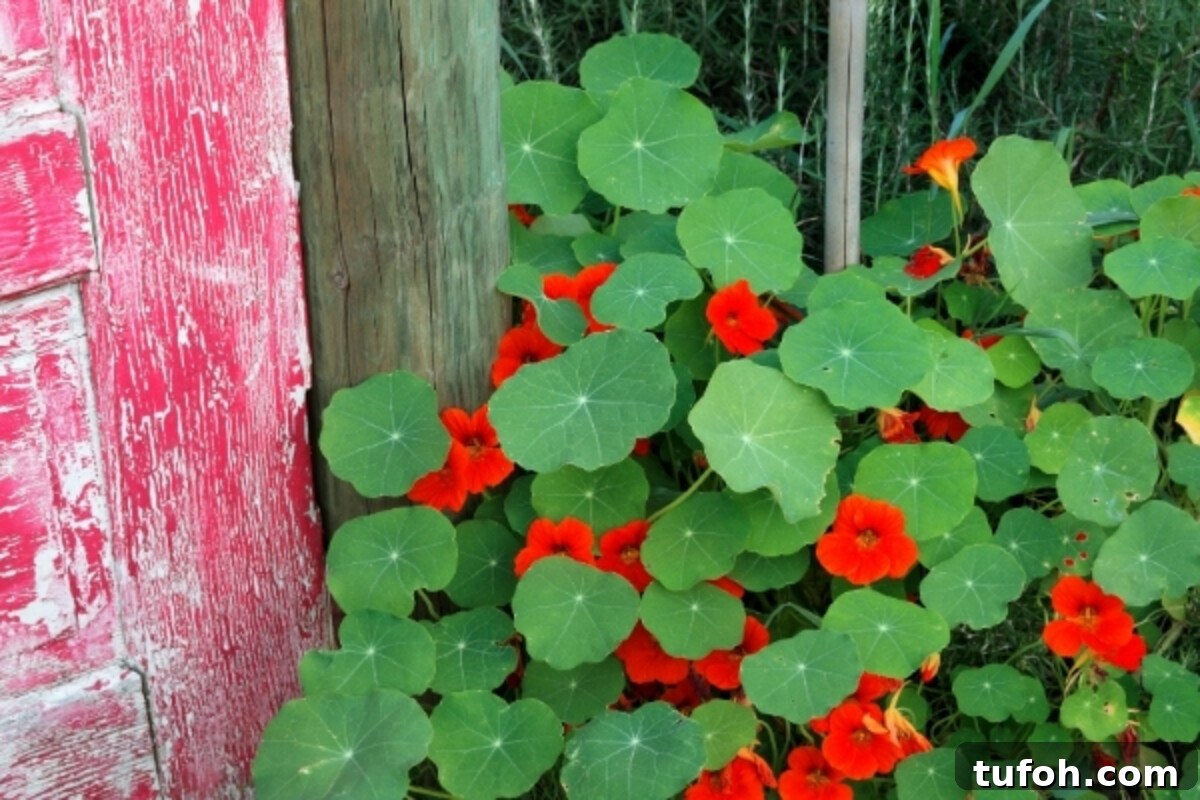
- Nasturtium (Tropaeolum sp.)
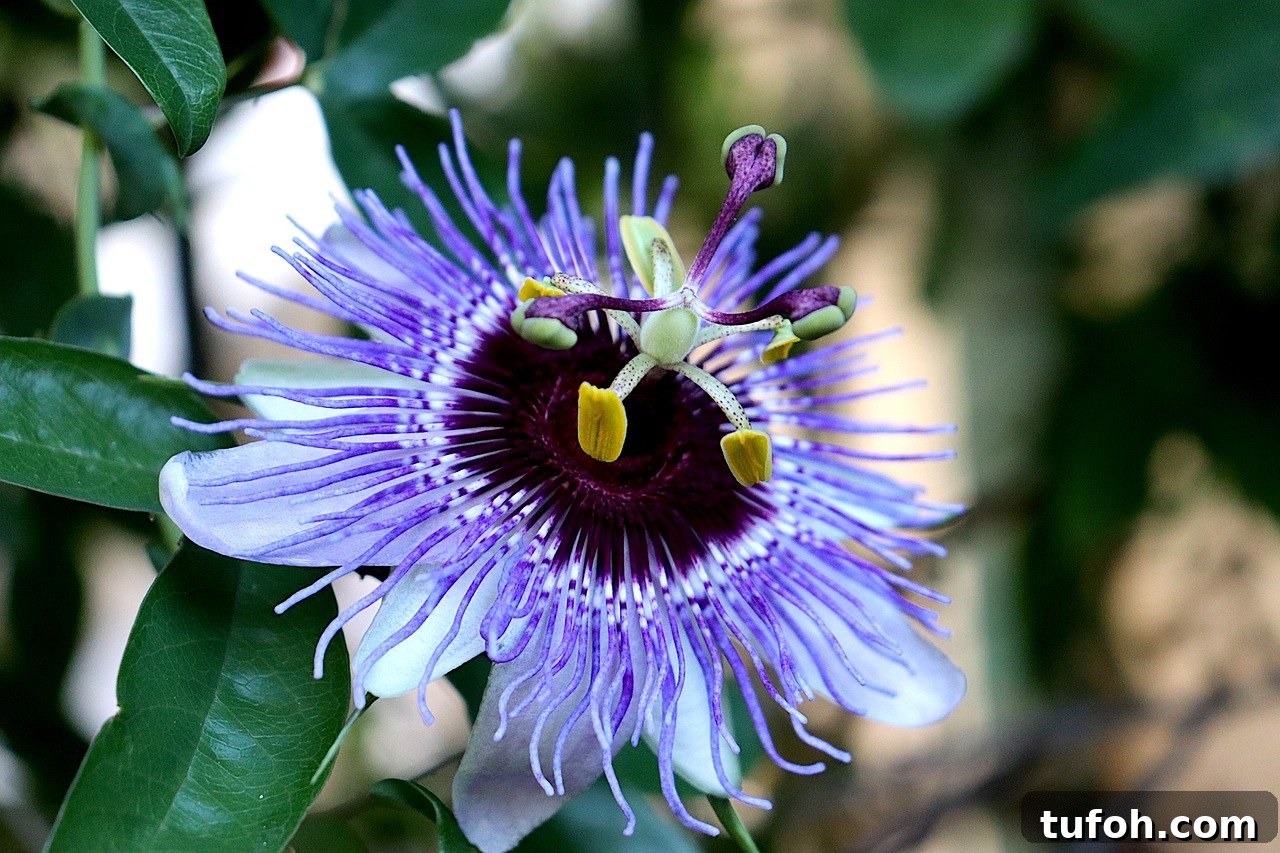
- Passionflower (Passiflora sp.)
- Peony (Paeonia sp.)
- Pineapple Weed (Matricaria discoidea)
- Queen Anne’s Lace (Daucus carota)
- Rose (Rosa sp.)
- Saint John’s Wort (Hypericum perforatum)
- Self Heal (Prunella vulgaris)
- Tulsi (Ocimum tenuiflorum)
- Valerian (Valeriana officinalis)
- Veronica / Speedwell (Veronica sp.)
- Violets (Viola sp.)
- Witch Hazel (Hamamelis virginiana)
- Yarrow (Achillea millefolium)
Agrimony (Agrimonia sp.)
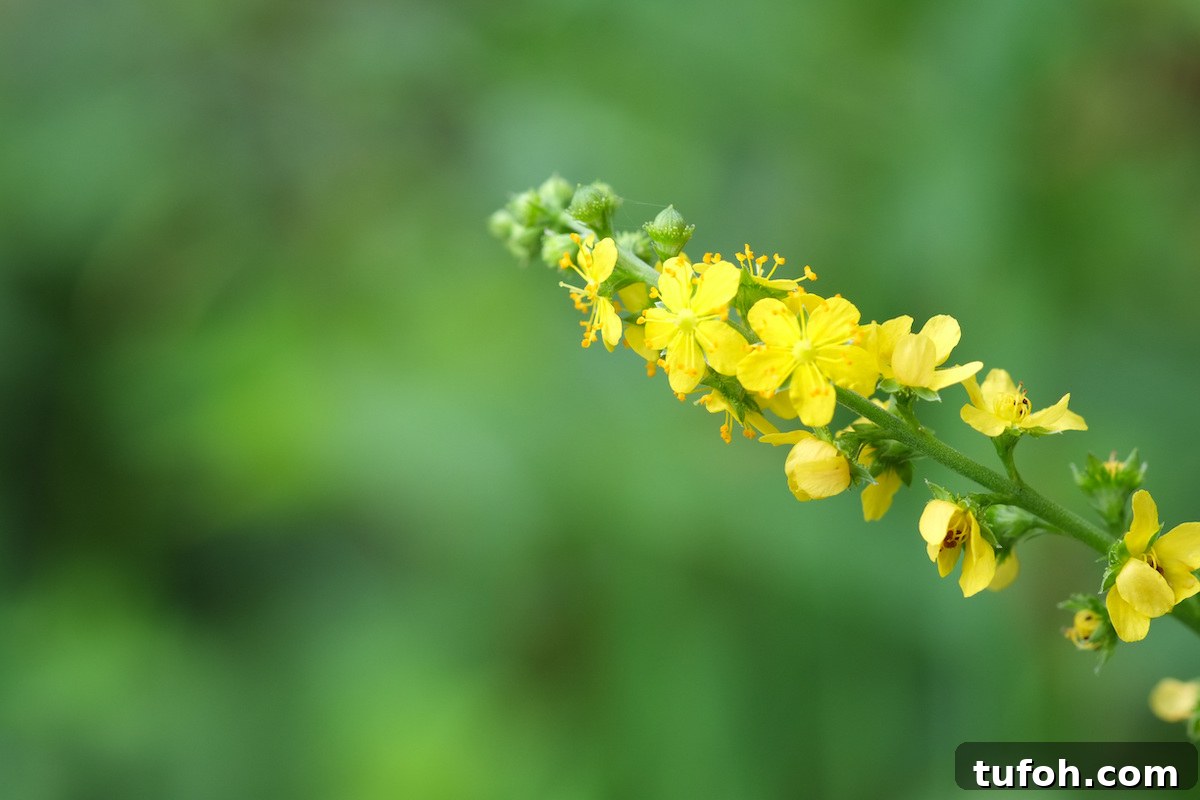
Agrimony is a perennial found across the Northern Hemisphere. Traditionally used in tonics and brews, agrimony is recognized for astringent, anti-inflammatory, and mild detoxifying properties. The flowers and leaves are commonly harvested and used in infusions.
Agrimony Benefits
Historically agrimony has been used to support digestion, reduce diarrhea, soothe sore throats and bronchial irritation, and aid wound healing. It has traditional applications for heavy menstrual bleeding due to its astringent nature.
Growing and Using Agrimony
Agrimony grows best in well-drained soil with full sun to partial shade and tolerates a range of soil types. Add compost for best results and harvest flowers and leaves when plants are in bloom.
Angelica (Angelica sp.)
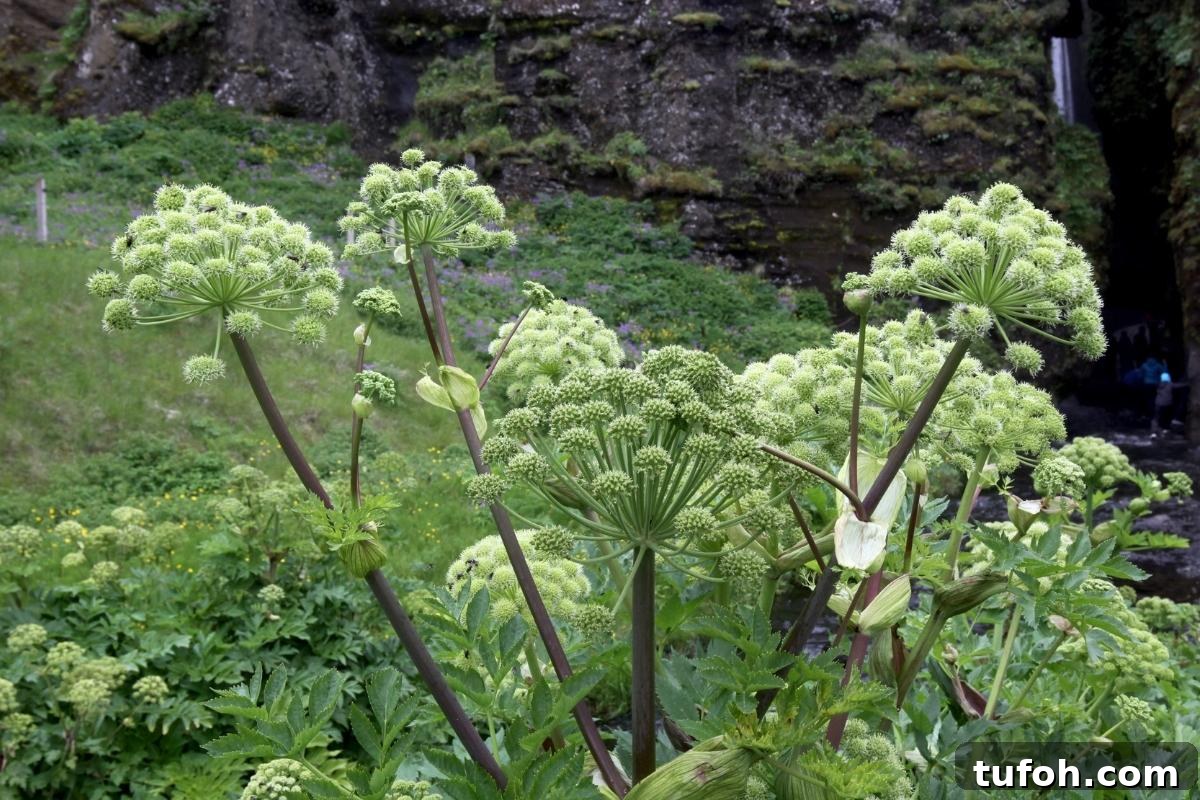
Angelica is a tall biennial or perennial in the parsley family with umbrella-like white flower heads. It has a long history in traditional medicine for digestive and respiratory ailments and is also used in culinary preparations such as candied angelica.
Angelica Benefits
Traditionally used for digestive complaints, joint pain, and as a general tonic, angelica has also been employed for gynecological uses. Because it may influence menstruation and pregnancy, avoid use during pregnancy unless under professional guidance.
Growing and Using Angelica
Angelica prefers rich, moist soil and full sun. It often behaves like a biennial, producing seed in its second year, so plan for regular sowing if you want a steady supply.
Arnica (Arnica sp.)
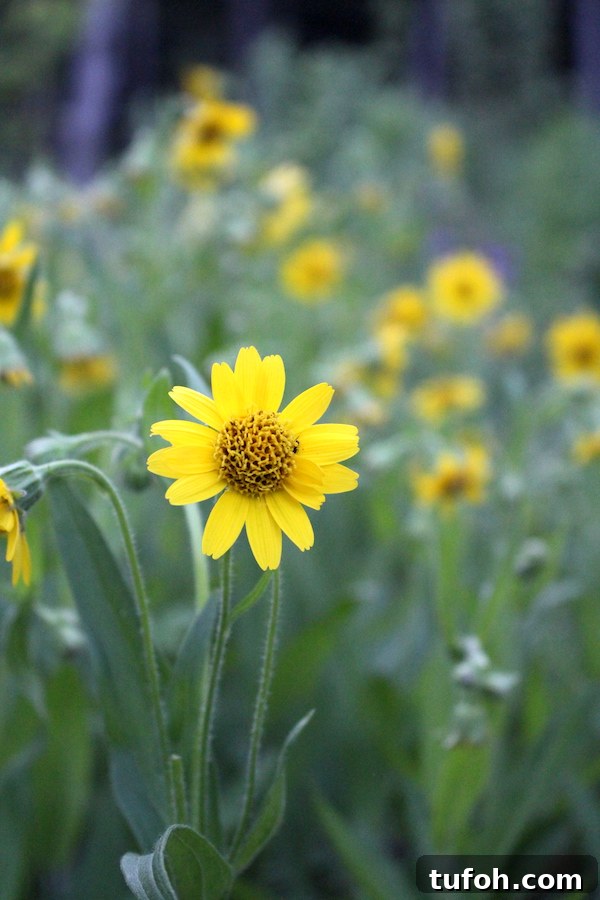
Arnica is widely used topically for bruises, sprains, muscle aches, and joint pain. The flowers resemble small daisies and are best harvested at full bloom for making salves and oils. Arnica should not be ingested; internal use can be toxic.
Arnica Benefits
Used externally, arnica reduces swelling, eases bruising, and relieves sore muscles. Apply only prepared topical products and avoid internal consumption.
Growing & Using Arnica
Arnica grows well in temperate climates with good drainage and a mix of sun and partial shade depending on variety. Harvest the flowers when fully open and process them promptly into infused oils or salves for topical use.
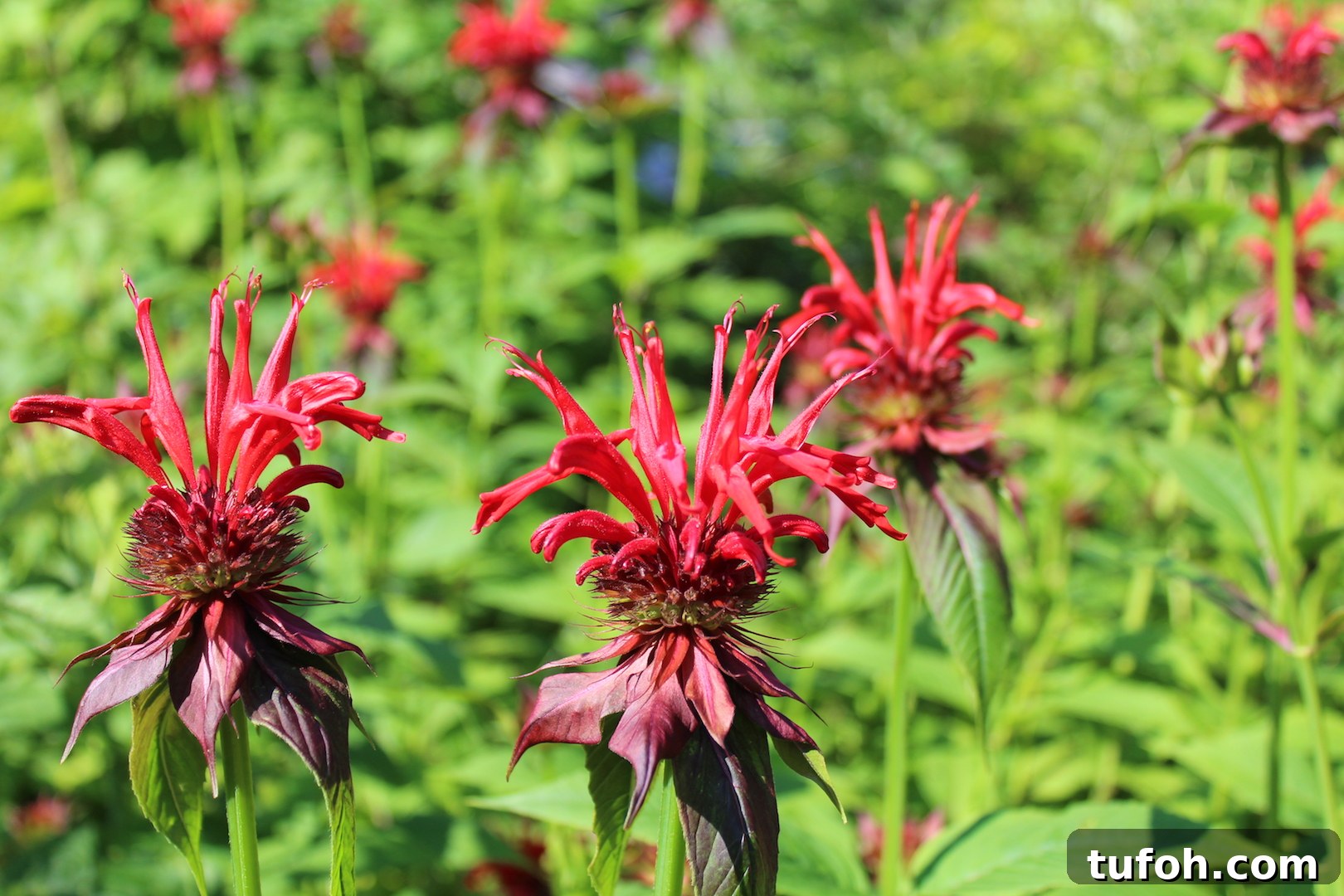
Bee Balm (Monarda sp.)
A mint-family perennial with showy blooms in red, pink, or white, bee balm is prized for teas and remedies that support respiratory and digestive health. It has antimicrobial and soothing properties and attracts pollinators.
Bee Balm Benefits
Traditionally used for sore throats, coughs, digestive upset, and minor infections, bee balm also relieves gas and nausea and can soothe skin irritations when used topically.
Growing & Using Bee Balm
Bee balm prefers full sun to partial shade with moist, fertile soil. It can spread vigorously like other mints, so contain it if necessary. Harvest blooms for tea or dry for later use.
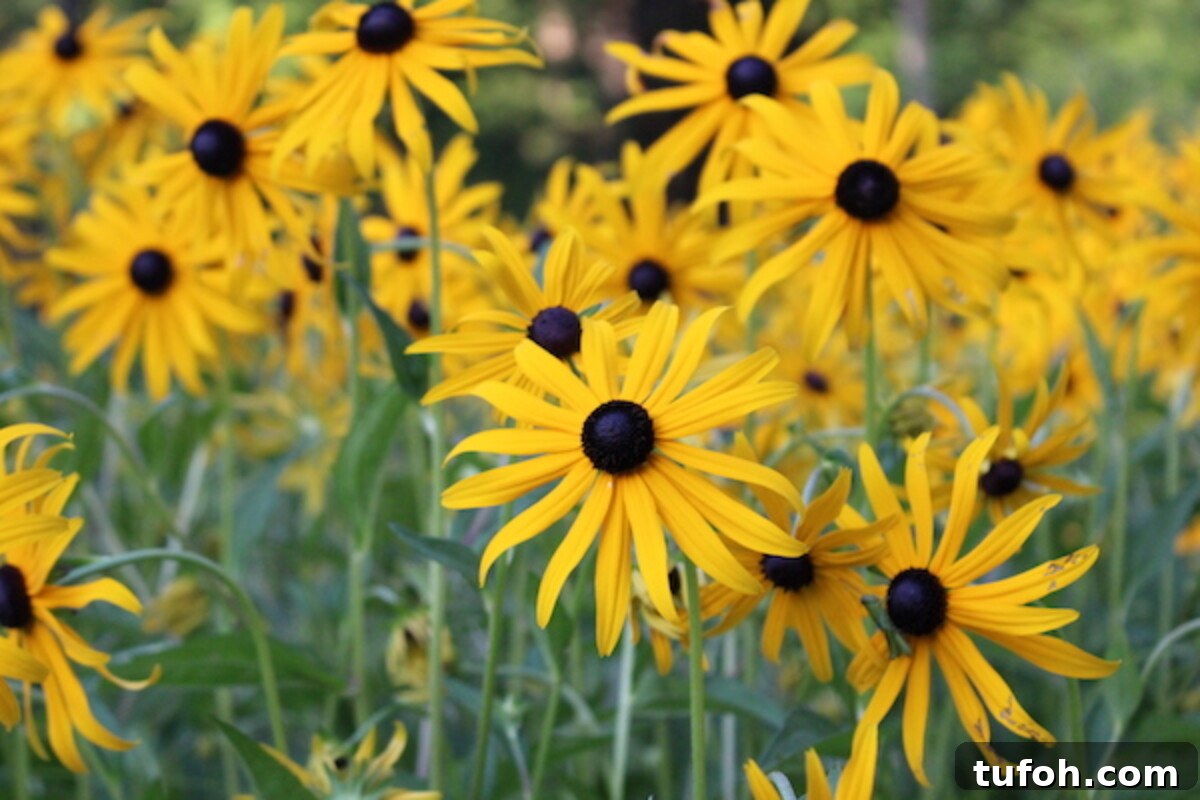
Black-Eyed Susan (Rudbeckia hirta)
A common North American wildflower related to echinacea, black-eyed Susan has been used to support immune function and treat minor wounds. The flowers are bright and long-blooming, often appearing along roadsides and in meadows.
Black-Eyed Susan Benefits
Traditionally used for earaches, minor wounds, and immune support, some research suggests immune-stimulating and antibacterial activities similar to echinacea.
Growing & Using Black-Eyed Susan
These low-maintenance wildflowers thrive in sunny sites with well-drained soil and often self-seed. Harvest petals and roots carefully, and avoid consuming the seeds.
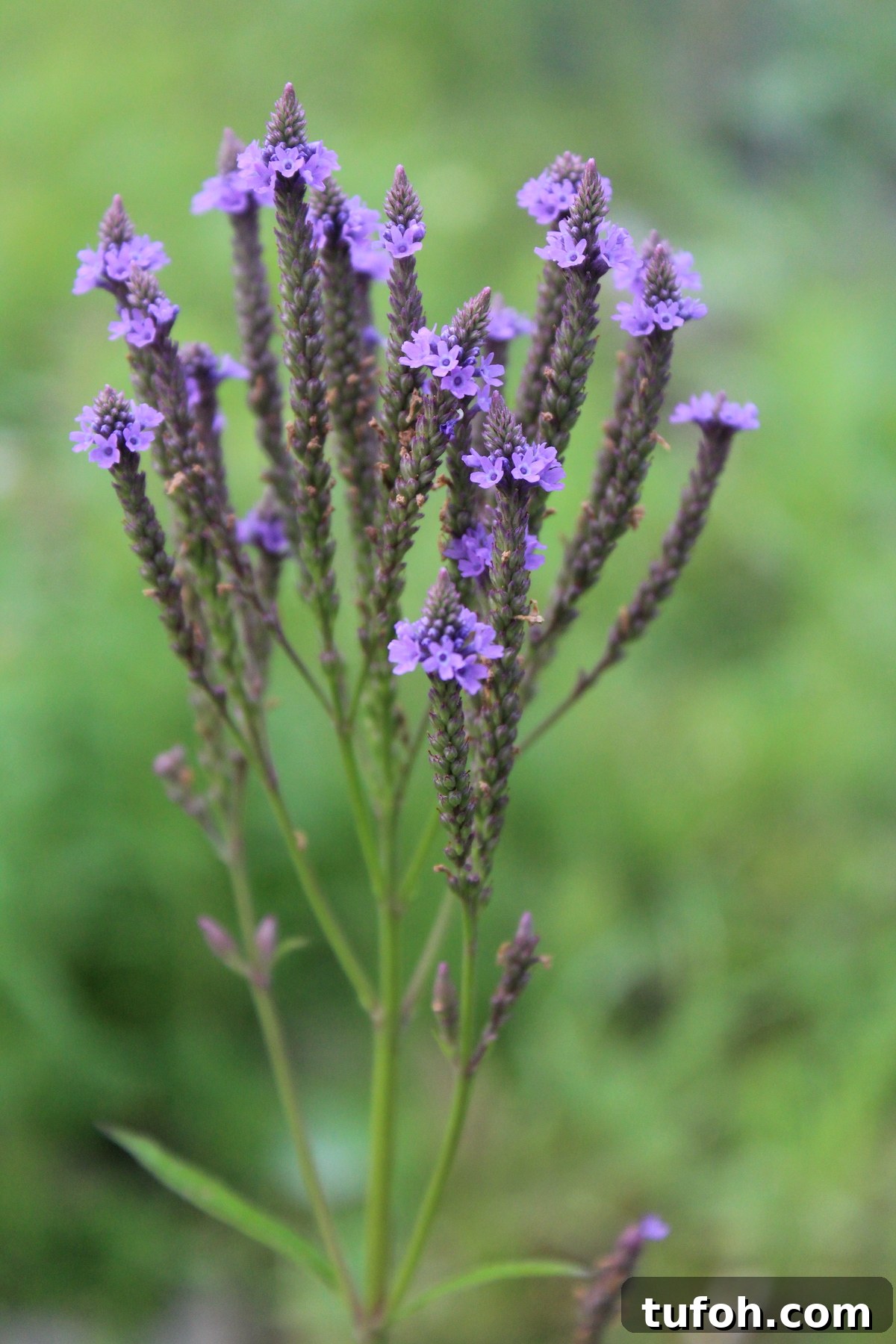
Blue Vervain (Verbena hastata)
Blue vervain grows in moist areas and produces tall spikes of blue-purple flowers. Traditionally used for anxiety, insomnia, and as a nervine, it may also offer anti-inflammatory and mild pain-relieving effects.
Blue Vervain Benefits
Used for nervous tension, sleep issues, and mild pain, blue vervain has a long folk history and should be used cautiously if you take blood pressure or hormone medications.
Growing & Using Blue Vervain
Sow seeds in nutrient-rich, well-draining soil, and provide full sun to partial shade. Some seeds require cold stratification to germinate reliably.
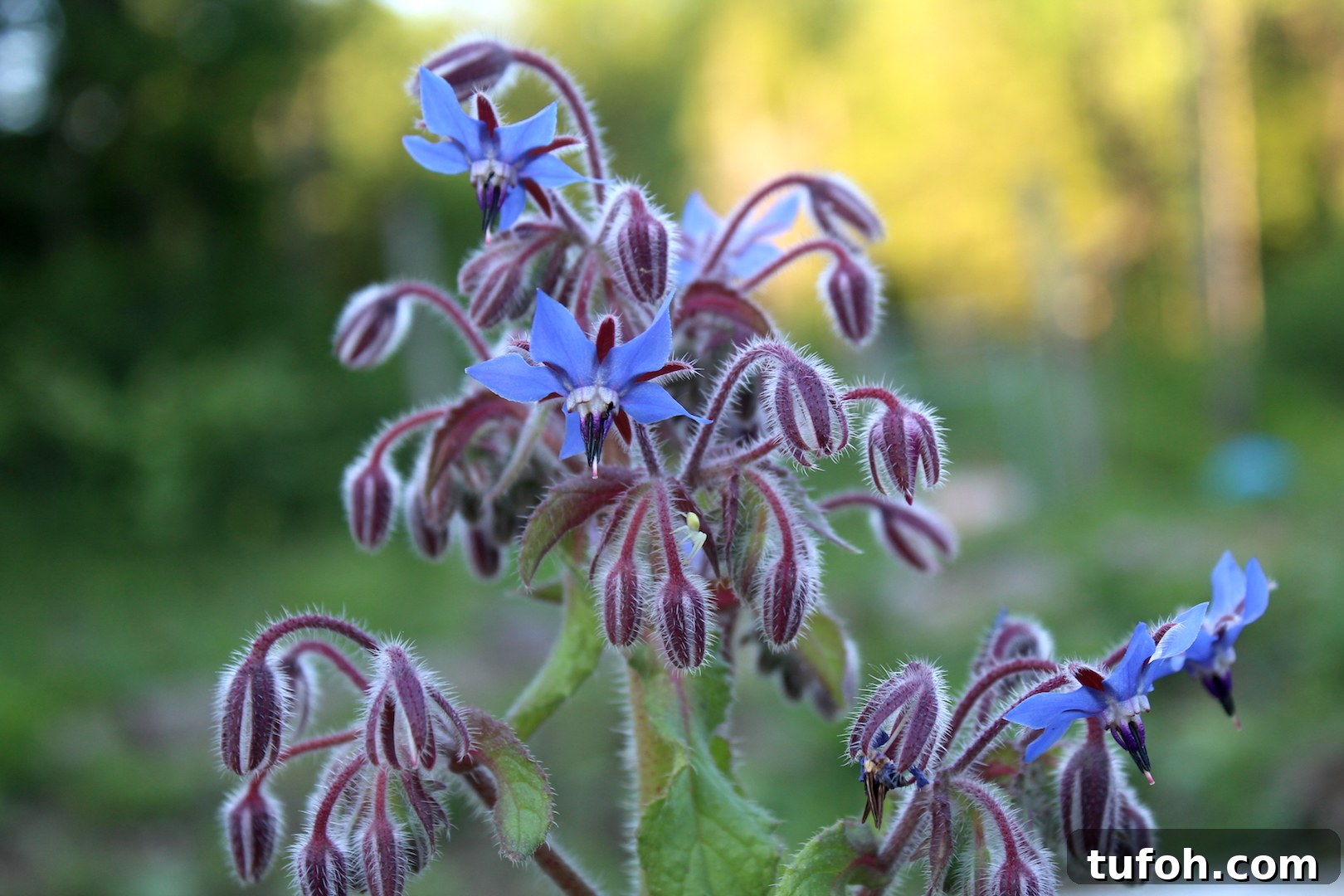
Borage (Borago officinalis)
Borage produces sky-blue flowers that attract pollinators and make a cheerful addition to vegetable beds. It self-seeds readily in many gardens and has uses for skin conditions, inflammation, and menstrual discomfort.
Borage Benefits
Traditionally used for respiratory congestion, fever reduction, mood support, and as a topical for skin complaints, borage flowers and leaves are both useful in teas and infusions.
Growing & Using Borage
Sow borage after frost in rich, well-draining soil. Plant near vegetables to attract beneficial insects and harvest flowers when open for fresh or dried use.
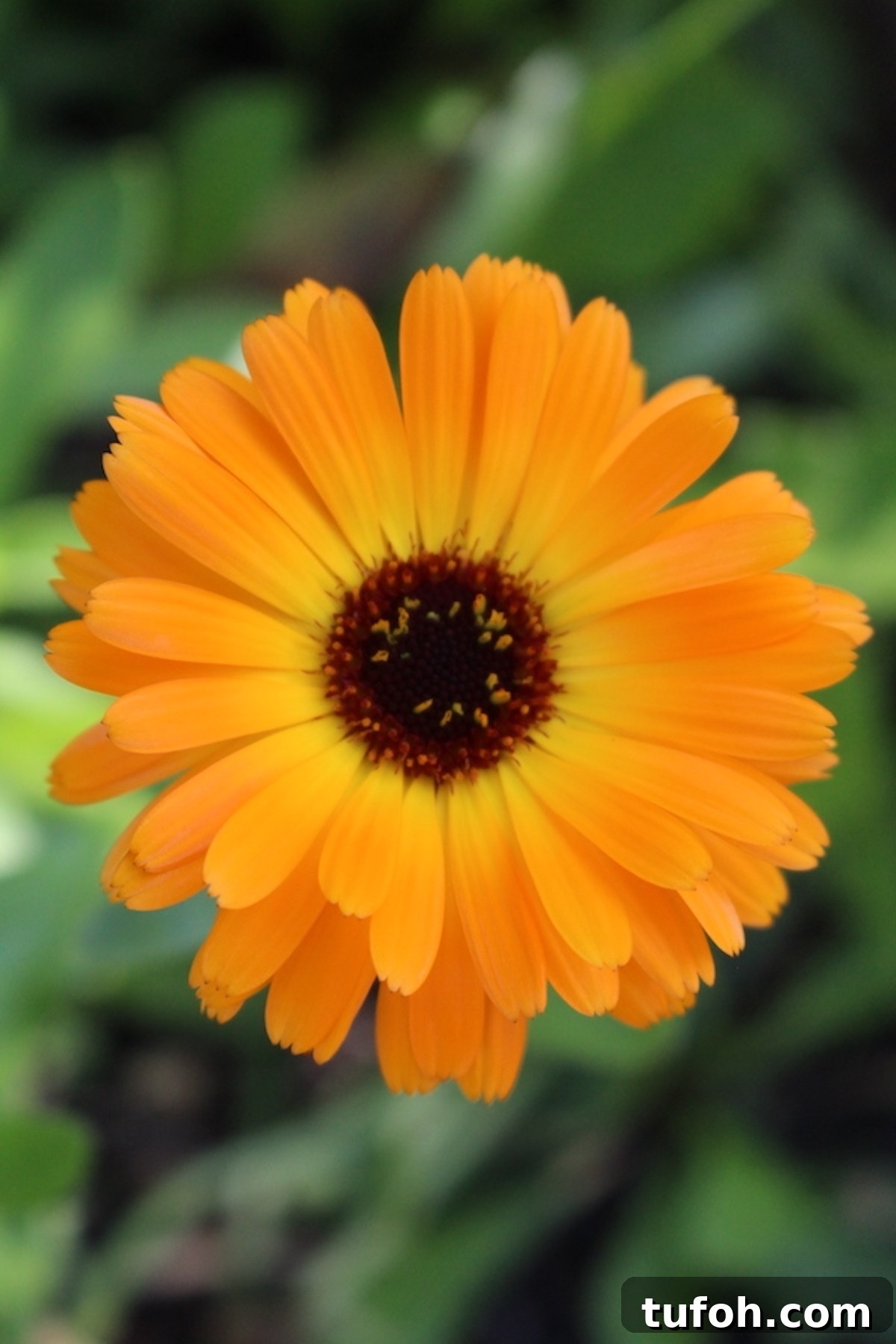
Calendula (Calendula officinalis)
Calendula is a versatile medicinal flower prized for skin healing, anti-inflammatory and antiviral properties. Bright orange or yellow blooms are easy to grow and commonly used in salves, infused oils, and soothing teas or washes.
Calendula Benefits
Calendula supports wound healing, soothes rashes, relieves burns, and can be used internally as an immune-supportive infusion when appropriate.
Growing & Using Calendula
Grow calendula in full sun with fertile, well-drained soil. Regularly harvest blossoms to encourage more blooms and dry or infuse them for topical and internal preparations.
California Poppy (Eschscholzia californica)
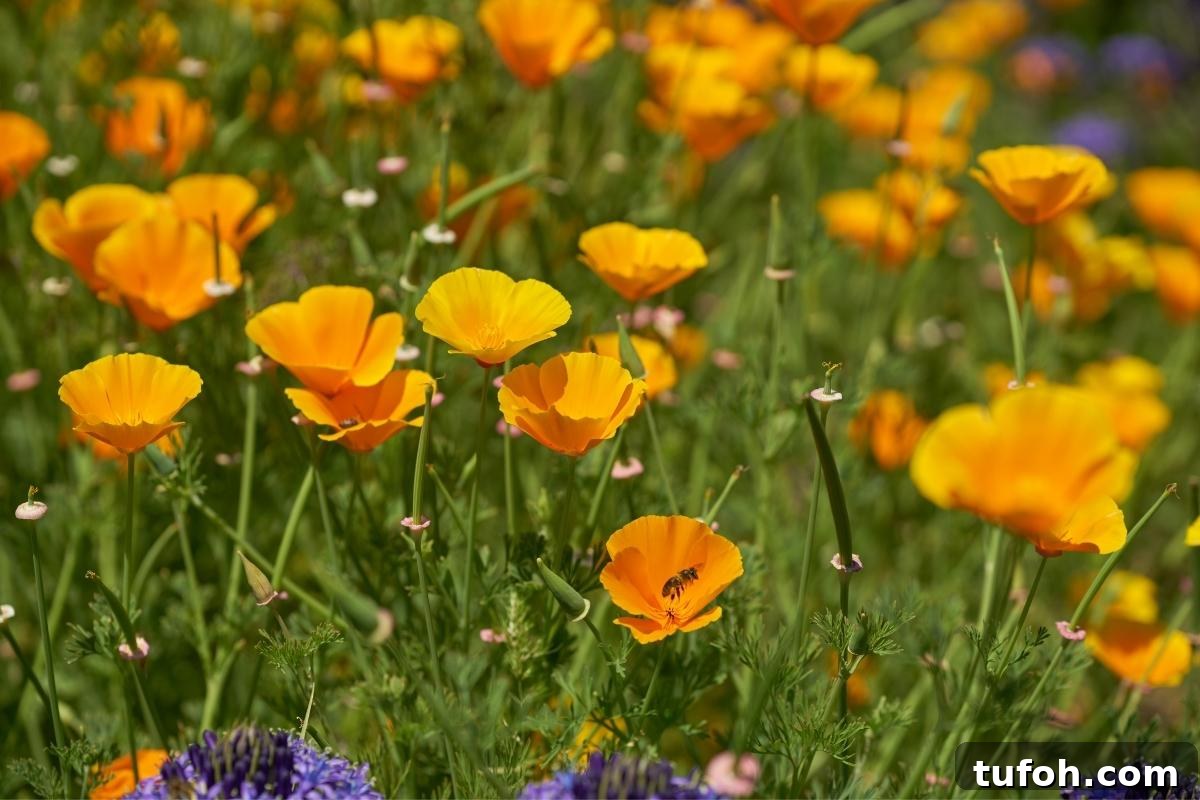
California poppy offers gentle sedative and analgesic qualities. Use aerial parts and petals for calming teas and tinctures; avoid using roots unless you are following a trusted professional recipe.
California Poppy Benefits
Traditionally used to support sleep, ease nerve pain, and reduce mild aches. It may help with teething discomfort and menstrual cramps in some herbal traditions.
Growing & Using California Poppy
Plant seeds in sunny, well-drained spots and allow self-seeding for continued displays. Harvest flowers when open for fresh or dried use in calming preparations.
Red Clover (Trifolium pratense)
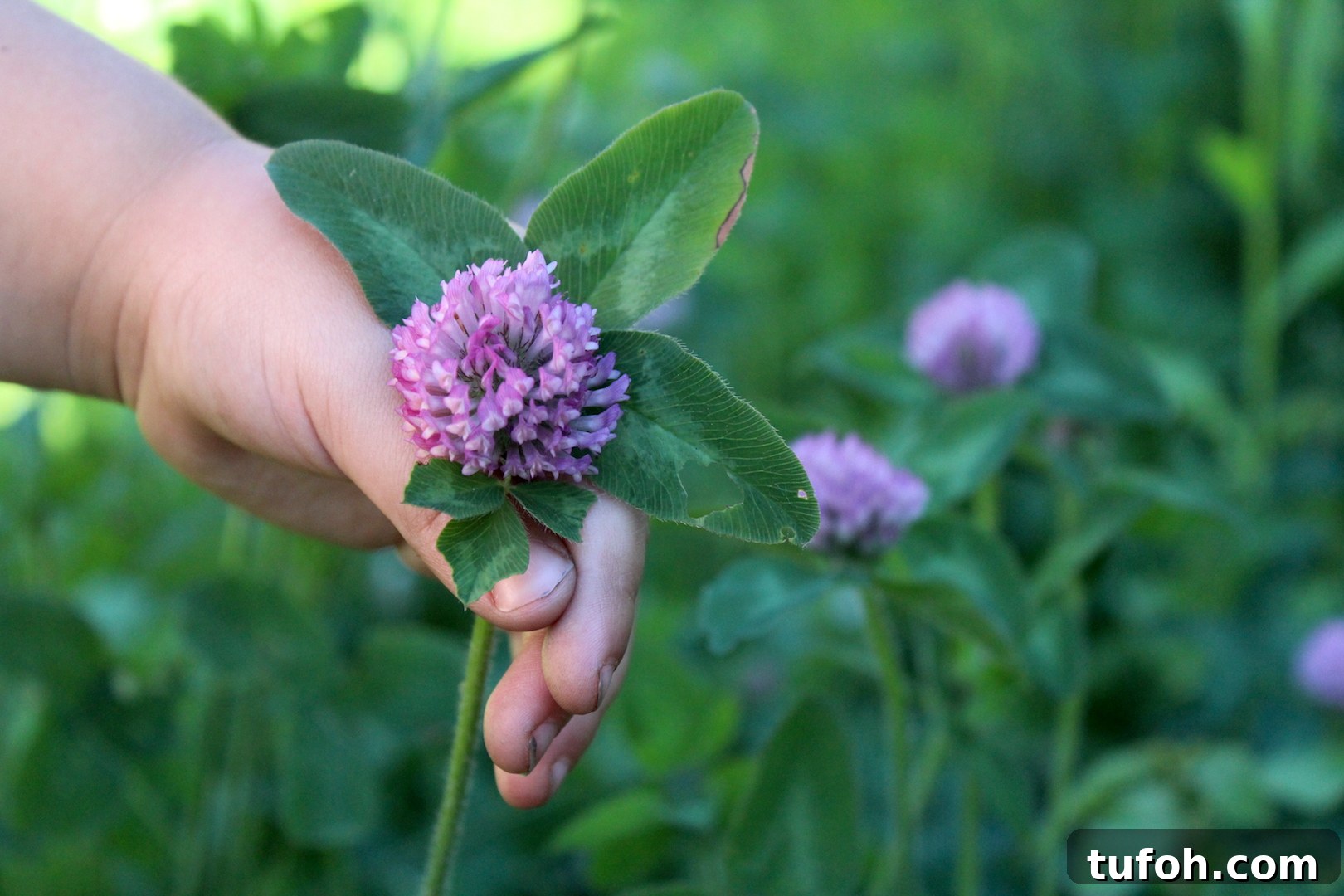
Red clover is commonly used as a cover crop and forage, but its blossoms also make a mild, nutritive tea traditionally used to ease menopausal symptoms and support bone health.
Red Clover Benefits
Historically used for menopause support, reducing hot flashes and night sweats, easing anxiety, and supporting overall hormonal balance.
Growing & Using Red Clover
Sow seeds in sun to part shade and harvest blossoms once established. Dry or infuse for tea or tinctures.
Chamomile (Matricaria recutita & Anthemis nobilis)
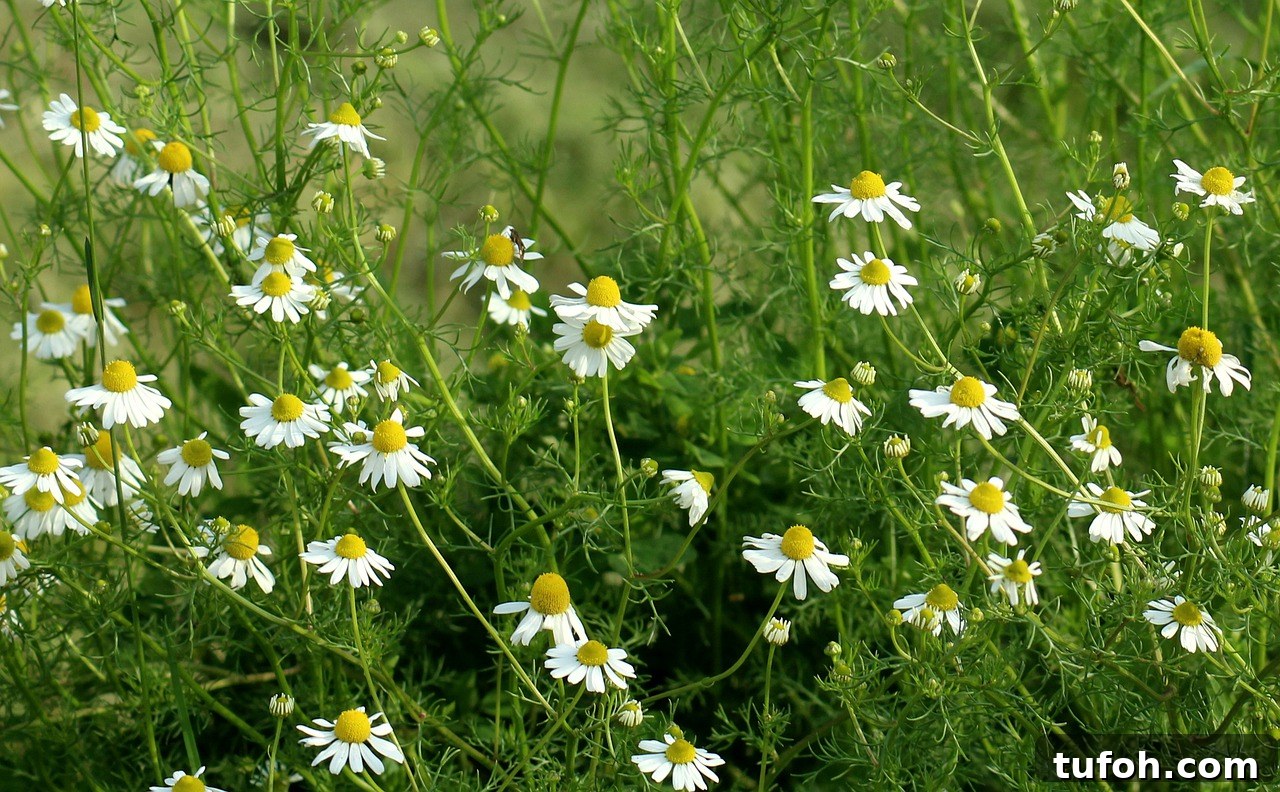
Chamomile is a beloved calming herb used widely for its gentle relaxing and digestive benefits. German and Roman chamomile vary in growth habit, but both offer soothing flowers for tea and topical use.
Chamomile Benefits
Chamomile reduces inflammation, calms digestive upset, aids sleep, soothes skin irritations, and can ease coughs or mild respiratory complaints.
Growing & Using Chamomile
Plant seeds after frost, provide full sun with light afternoon shade, mix compost into soil, and harvest flowers when the petals start to bend back for aromatics and tea.
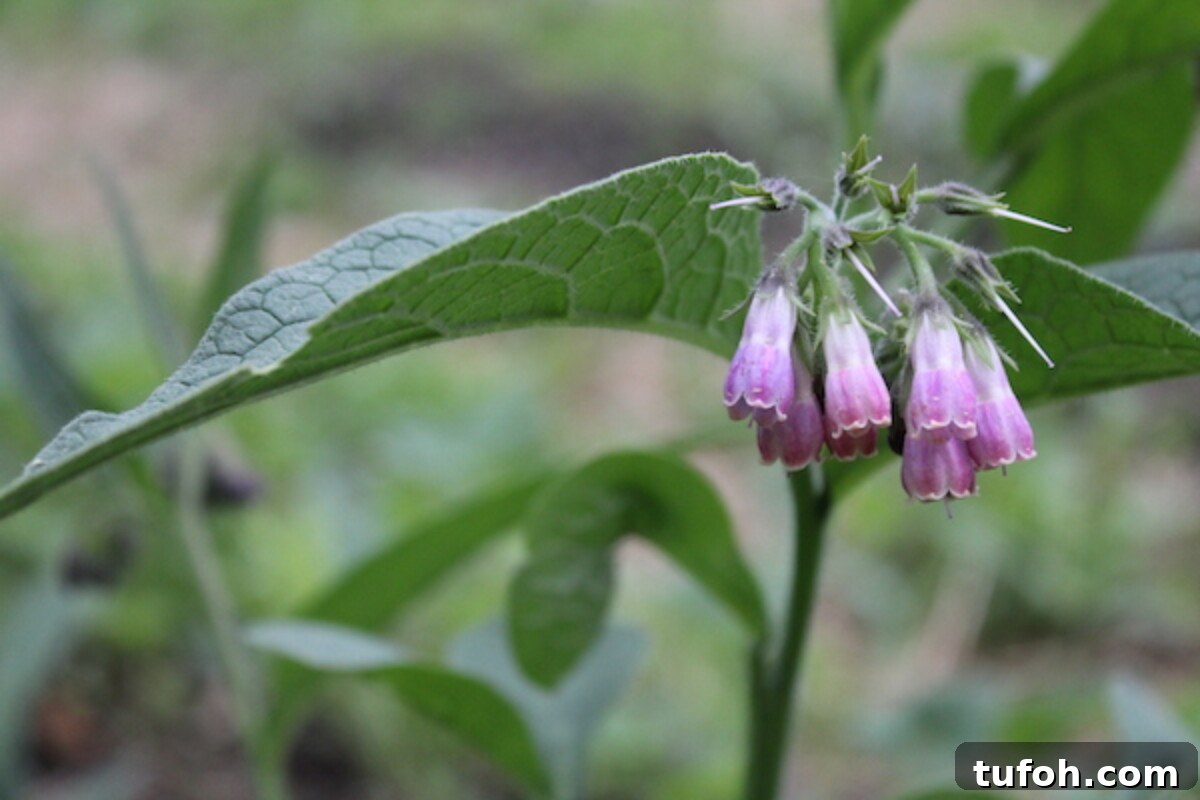
Comfrey (Symphytum officinale)
Comfrey has been used for wound healing, sprains, and inflammatory conditions, mainly as an external poultice or salve. Internal use is discouraged because some varieties contain compounds considered potentially toxic when ingested.
Comfrey Benefits
Topical comfrey applications can speed healing of minor sprains, bruises, and skin wounds, and reduce inflammation when used externally.
Growing & Using Comfrey
Comfrey grows vigorously in rich, well-drained soil and often becomes long-lived in the garden. Use leaves and flowers for external infusions and oils while avoiding internal preparations unless directed by a professional.
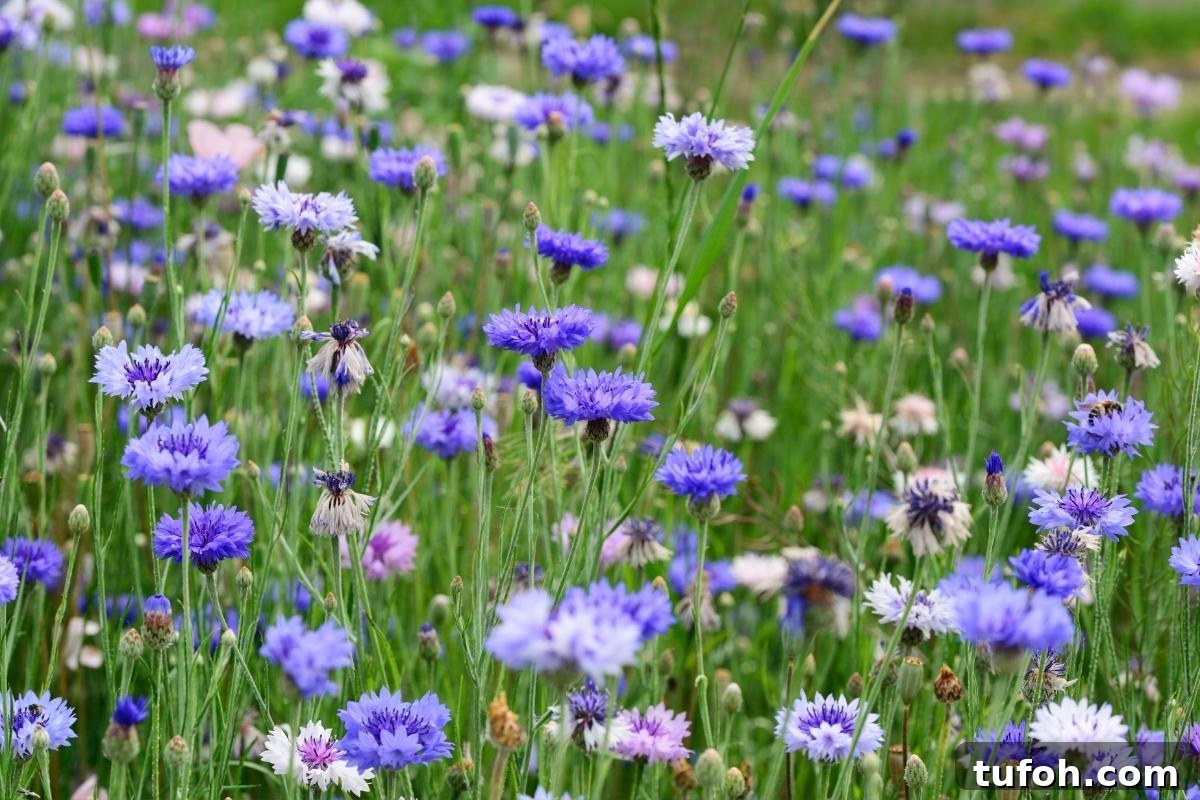
Cornflower (Centaurea cyanus)
Cornflower, also called bachelor’s button, yields vivid blue flowers used in infusions and as a gentle anti-inflammatory and diuretic. Use only the flowers for herbal preparations.
Cornflower Benefits
Traditionally used to reduce fevers, ease constipation, relieve menstrual cramps, and support relaxation. The flowers contain flavonoids and antioxidants that support anti-inflammatory actions.
Growing & Using Cornflower
Sow seeds in early spring, provide full sun and well-drained soil. Cornflowers self-seed readily and make great cut flowers as well as herbal additions.
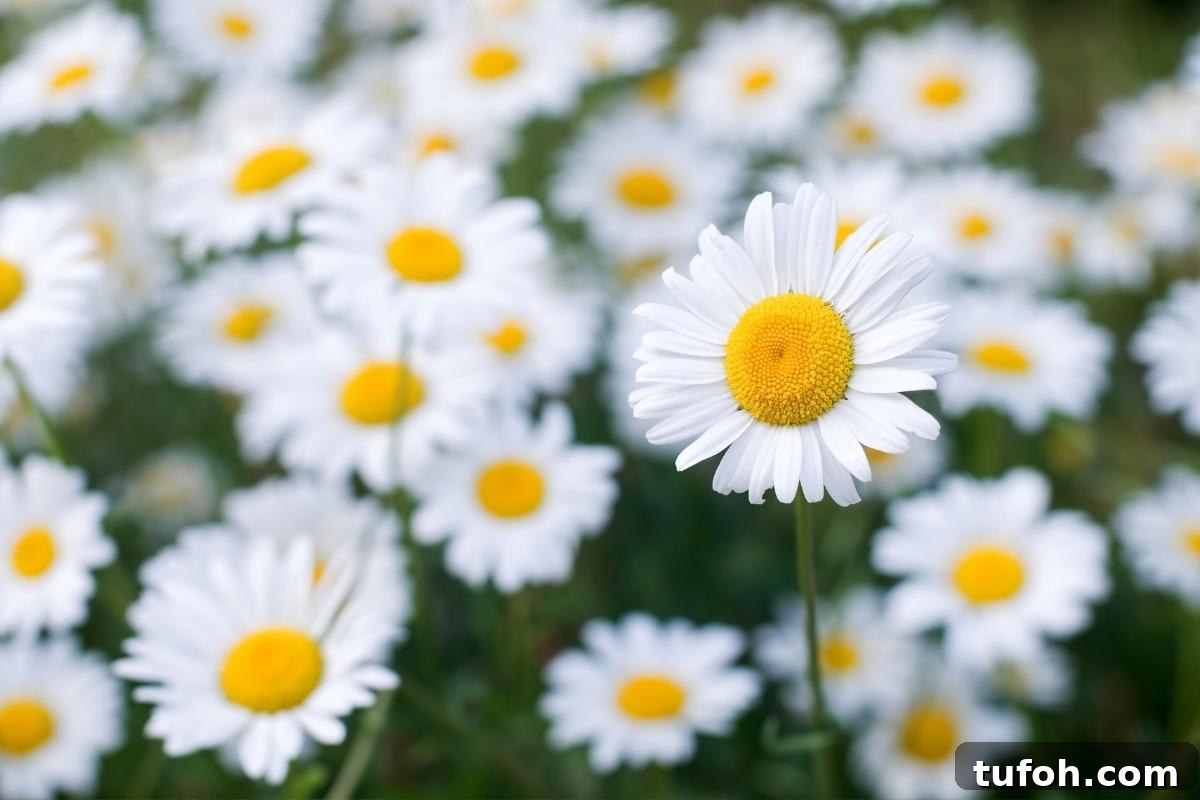
Daisy (Bellis perennis)
Daisies are hardy, drought-tolerant flowers with mild anti-inflammatory and wound-healing uses. They are easy to grow and have a long folk history as a remedy for bruising and minor injuries.
Daisy Benefits
Used traditionally for coughs, inflammation, and as a gentle calming herb for stress and mild anxiety.
Growing & Using Daisy
Grow daisies in rich, well-drained soil with plenty of sun. Harvest flowers for infusions, salves, and topical oils.
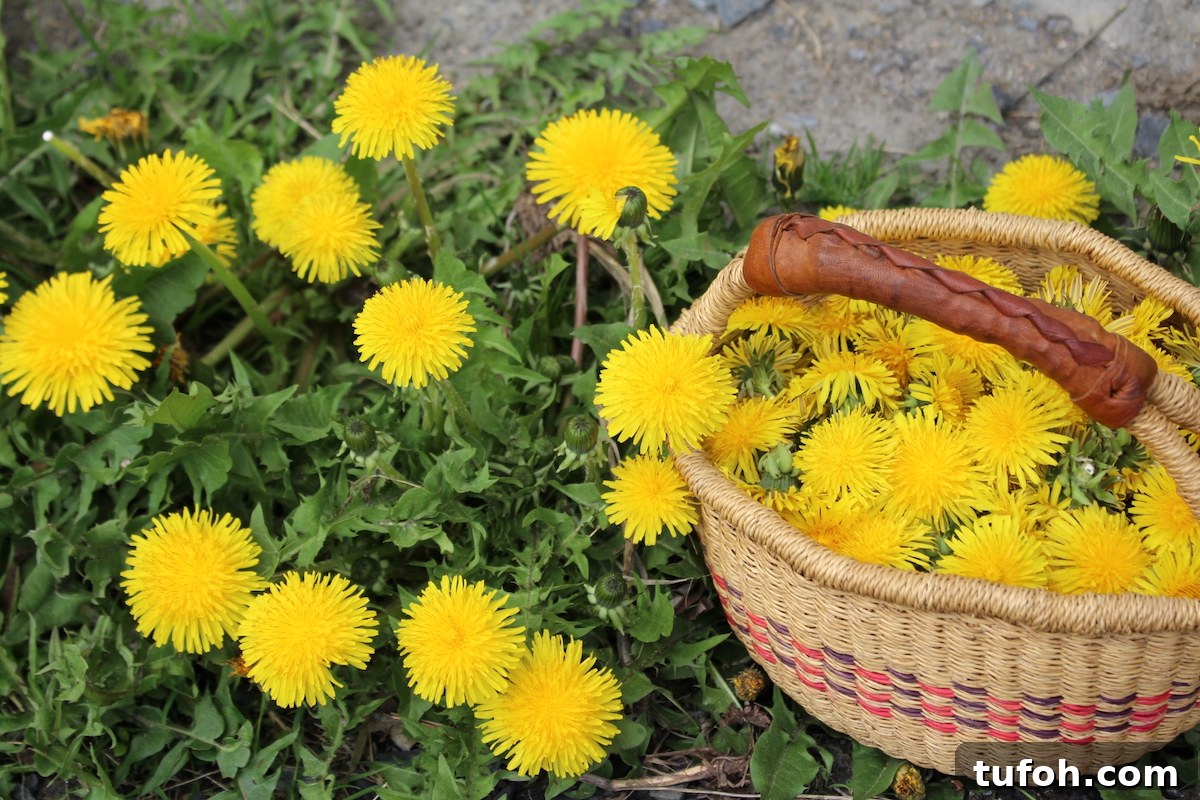
Dandelion (Taraxacum officinale)
Dandelions are a nutritious, resilient plant with antiviral and antimicrobial properties. All parts—flowers, leaves, and roots—have traditional uses for digestion, liver support, and urinary flow.
Dandelion Benefits
Used for digestion, clearing congestion, urinary support, and as a mild tonic to support organ health.
Growing & Using Dandelion
Dandelions grow almost anywhere and prefer sun with well-drained soil. Harvest leaves in spring and roots in fall for drying or tinctures.
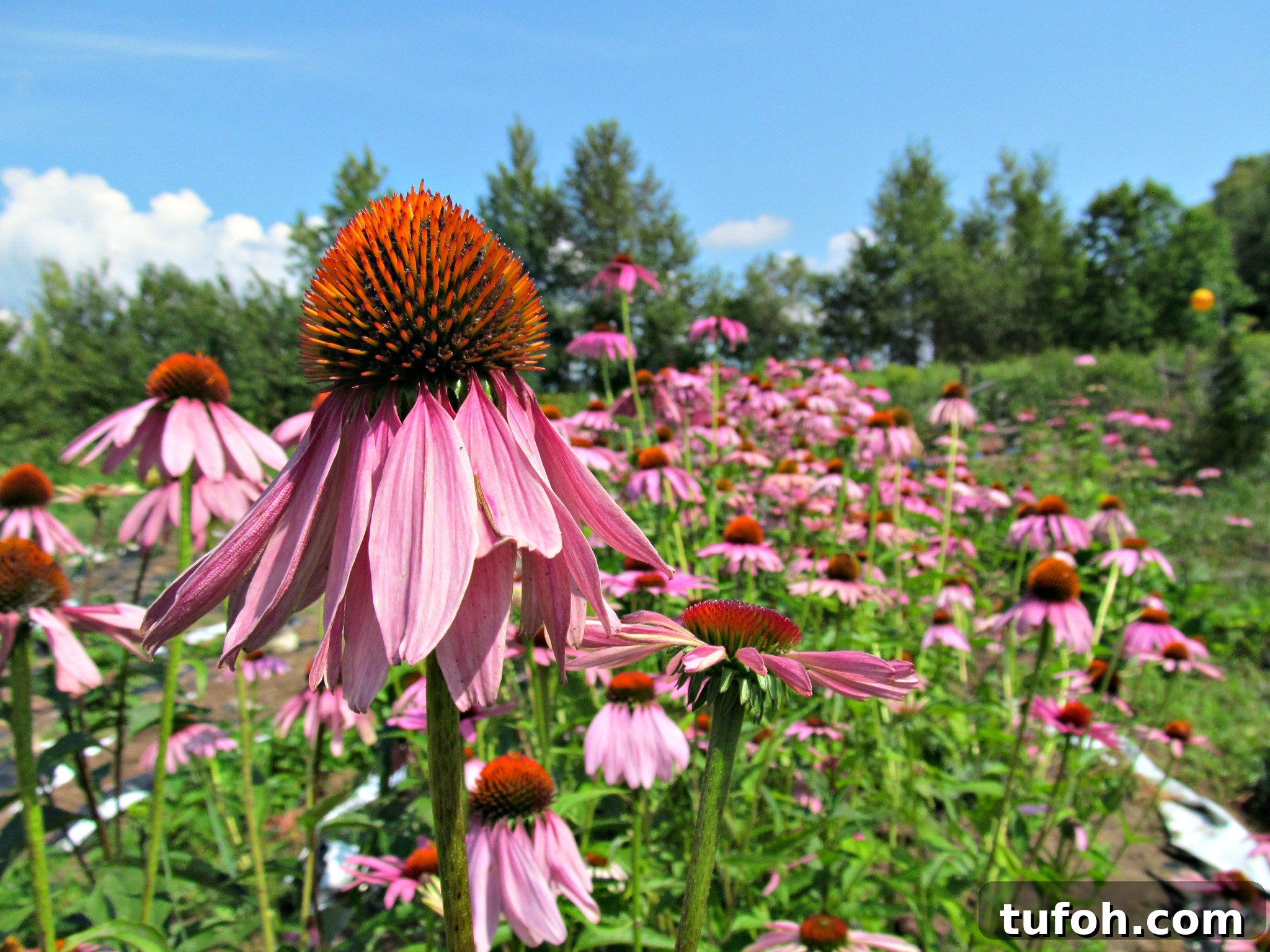
Echinacea (Echinacea purpurea)
Echinacea, or coneflower, is prized for immune support and is commonly used at the first signs of colds and flu. Roots and aerial parts are used in tinctures and teas to help shorten or lessen respiratory infections.
Echinacea Benefits
Traditionally used to reduce inflammation, support immune response, and relieve common cold symptoms.
Growing & Using Echinacea
Plant in full sun to part shade in well-drained soil. Harvest flowers, leaves, or roots based on intended preparations and dry or tincture promptly for best potency.
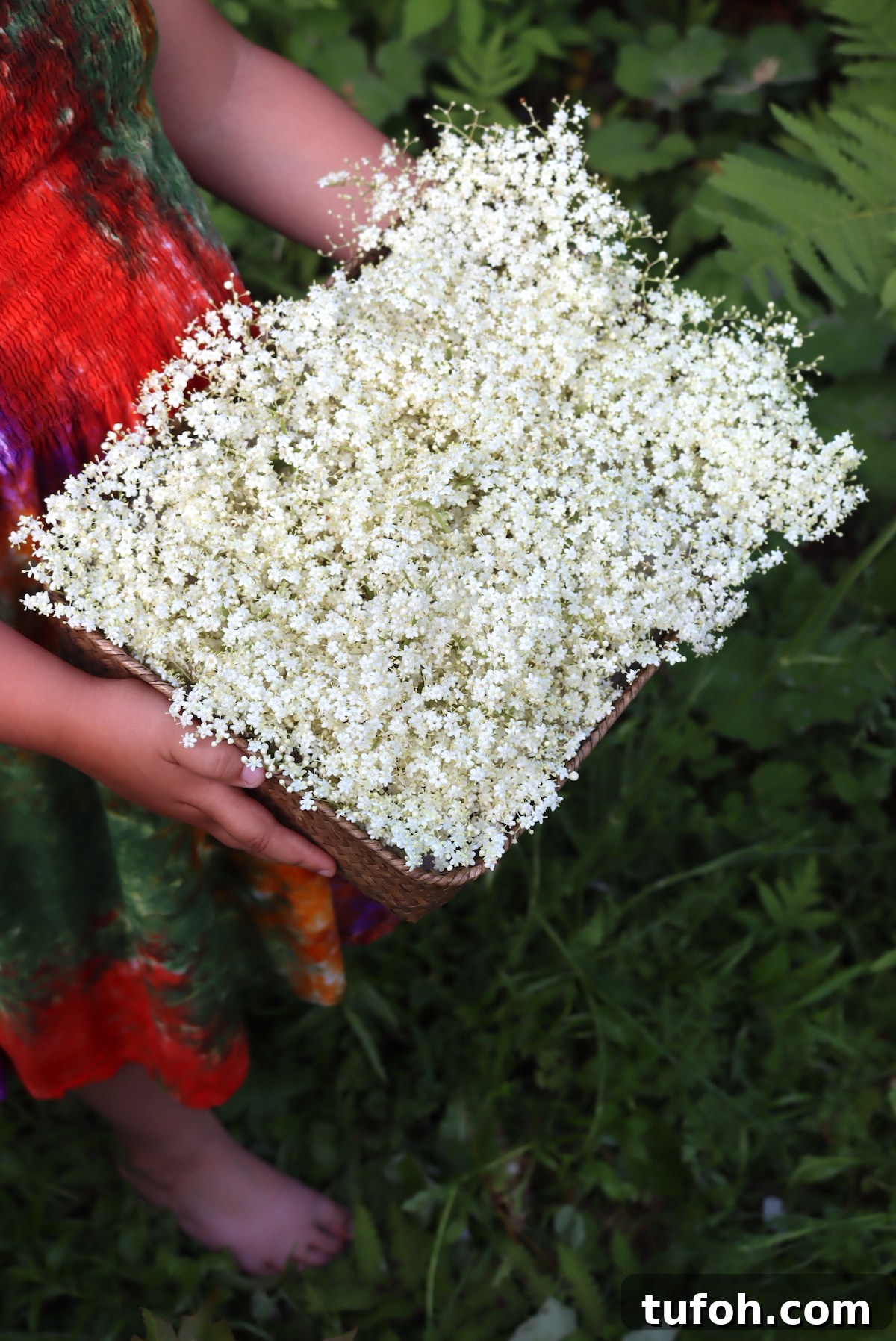
Elderflower (Sambucus nigra)
Elderflowers offer immune-supportive, anti-inflammatory, and diaphoretic properties. Paired with the berries, they make versatile remedies for colds and flus and are often used in syrups and teas.
Elderflower Benefits
Used for colds, sore throats, itchy eyes, and mild inflammation. Elderflower infusions can be soothing and supportive during respiratory infections.
Growing & Using Elderberry
Elderberries thrive in sun to part shade and tolerate varied soils. Prune shrubs for health and harvest flowers when in full bloom for drying or infusion.
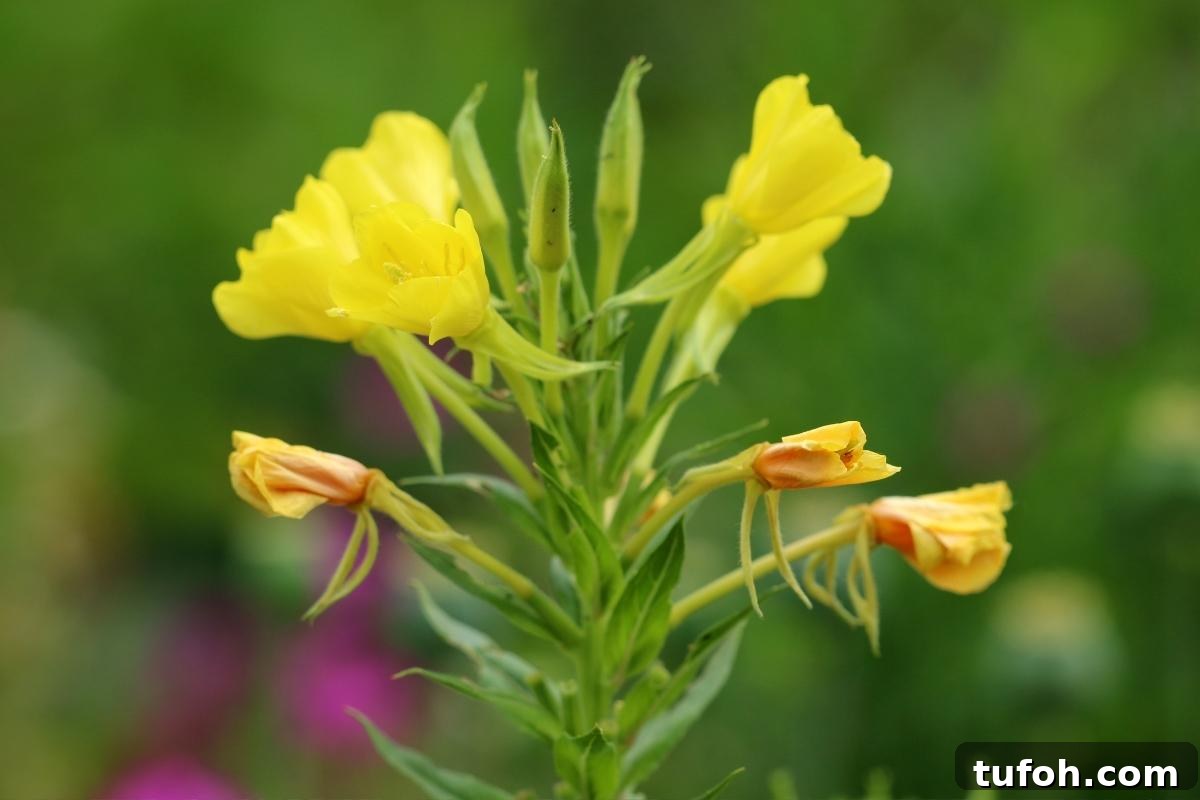
Evening Primrose (Oenothera biennis)
Evening primrose is often associated with women’s health and skin conditions. Oil from seeds is commonly used, while flowers and aerial parts can be used for topical or internal support depending on the preparation.
Evening Primrose Benefits
Traditionally used for eczema, dry skin, PMS symptoms, and to support hormonal balance. Seed oil is commonly used for topical and oral support.
Growing & Using Evening Primrose
Grow in full sun to part shade with moist, well-drained soil. Plants may be annual or perennial depending on your climate.
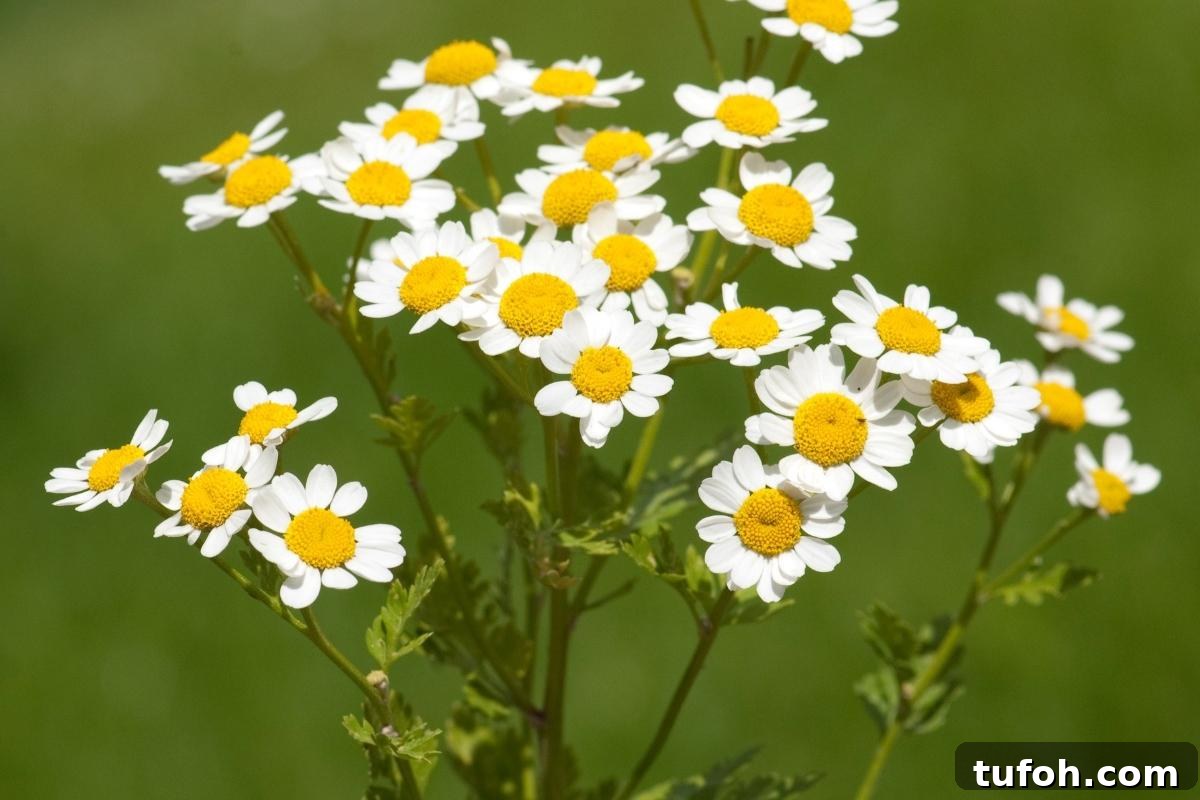
Feverfew (Tanacetum parthenium)
Feverfew is best known for migraine and headache relief alongside anti-inflammatory properties. Small, daisy-like flowers make it easy to grow and harvest.
Feverfew Benefits
Traditionally used to reduce fevers, headaches, menstrual cramps, and inflammation. Many herbalists include it in headache blends and tinctures.
Growing & Using Feverfew
Plant in full sun with loamy soil and harvest flowers when open for drying or tincturing. Use caution if you are allergic to daisies or related plants.
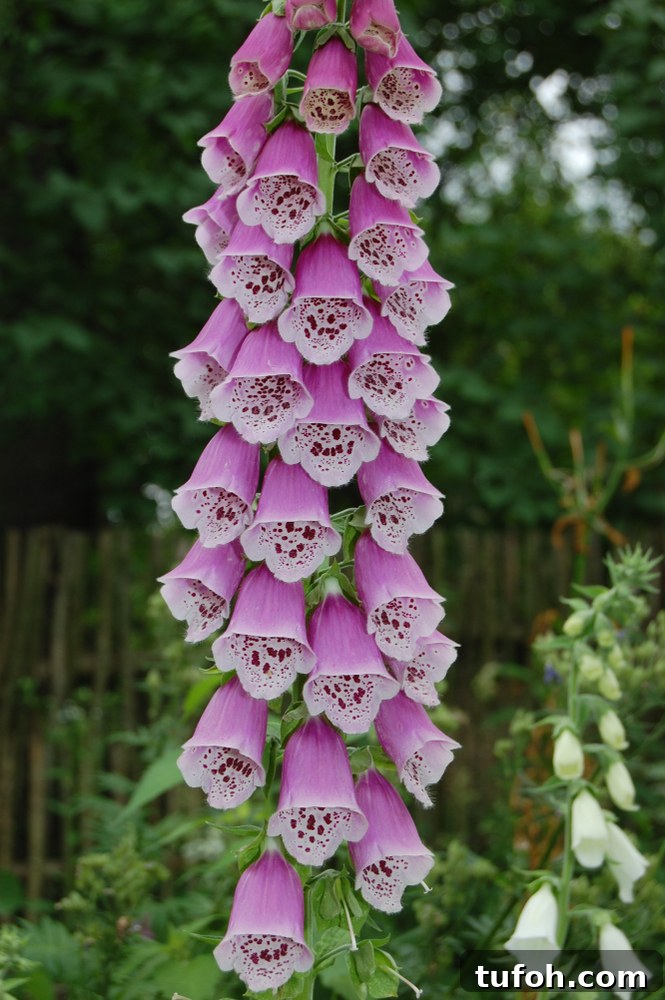
Foxglove (Digitalis lanata)
Foxglove is historically significant for cardiac compounds but is highly toxic and should never be used without professional oversight. Include it in your garden for its beauty and historical interest, not for home remedies.
Foxglove Benefits
Foxglove contains cardiac glycosides that have influenced modern heart medicines. Because of toxicity, do not self-prescribe or attempt home preparations.
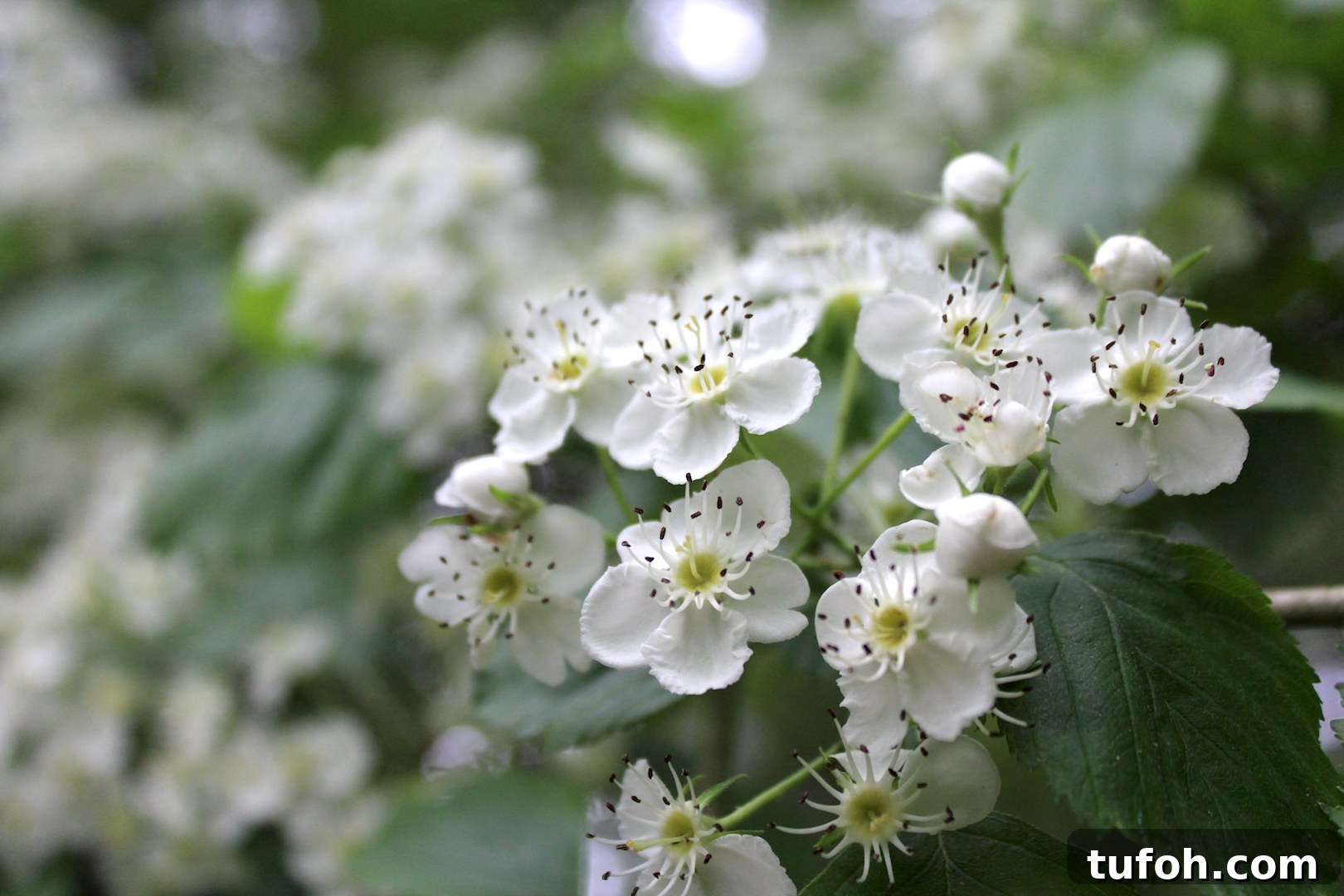
Hawthorn Flowers (Crataegus sp.)
Hawthorn flowers and berries are traditionally used for cardiovascular support, helping with circulation, mild high blood pressure, and heart function when used appropriately.
Hawthorn Flowers Benefits
Used for heart health, digestion, and mild anxiety. Hawthorn preparations are common in traditional cardiac tonics.
Growing & Using Hawthorn Flowers
Grow hawthorn trees in full sun with well-drained soil. Prune and harvest flowers and berries in season for drying or infusion.
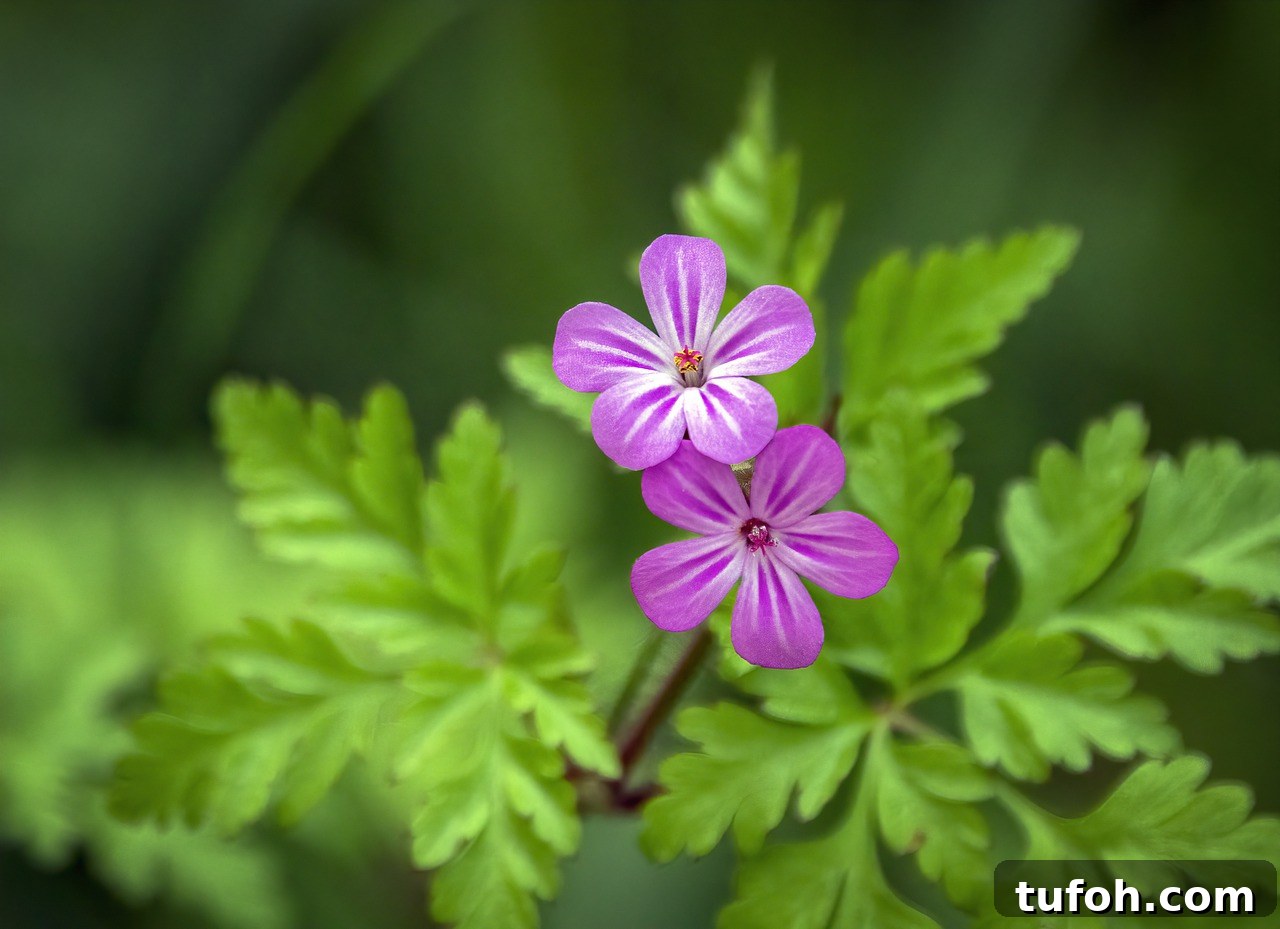
Herb Robert (Geranium robertianum)
Herb Robert, sometimes called “Stinky Bob,” is a sprawling plant with small pink flowers used traditionally for urinary and digestive complaints and as a mild astringent.
Herb Robert Benefits
Traditionally used for headaches, sinus congestion, sore throats, and insect bites. It can spread rapidly, so contain or harvest frequently if you grow it.
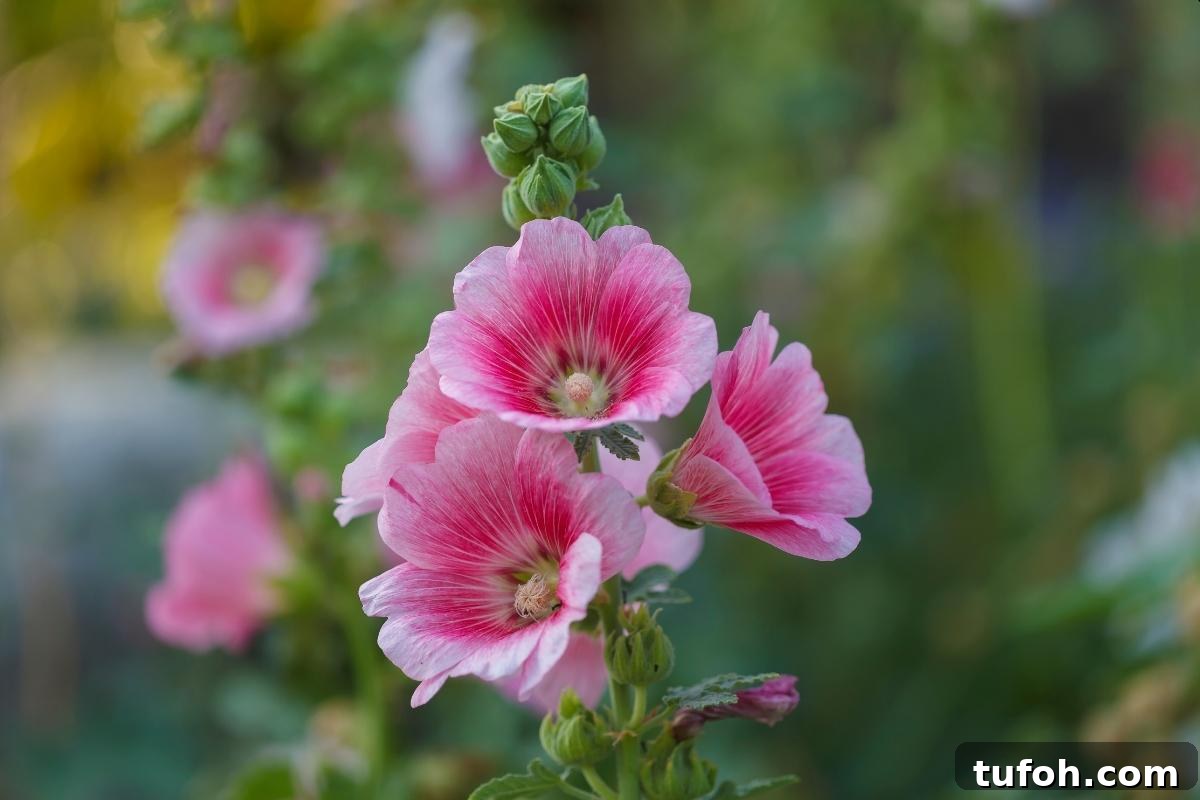
Hollyhock (Alcea rosea)
Hollyhocks produce tall, dramatic stalks of flowers and are related to marshmallow, often used as a gentler substitute in herbal preparations. Use cold infusions to preserve delicate mucilage and soothing compounds.
Hollyhock Benefits
Traditionally used for respiratory issues like cough and sore throat, as well as inflammatory skin conditions and digestive complaints.
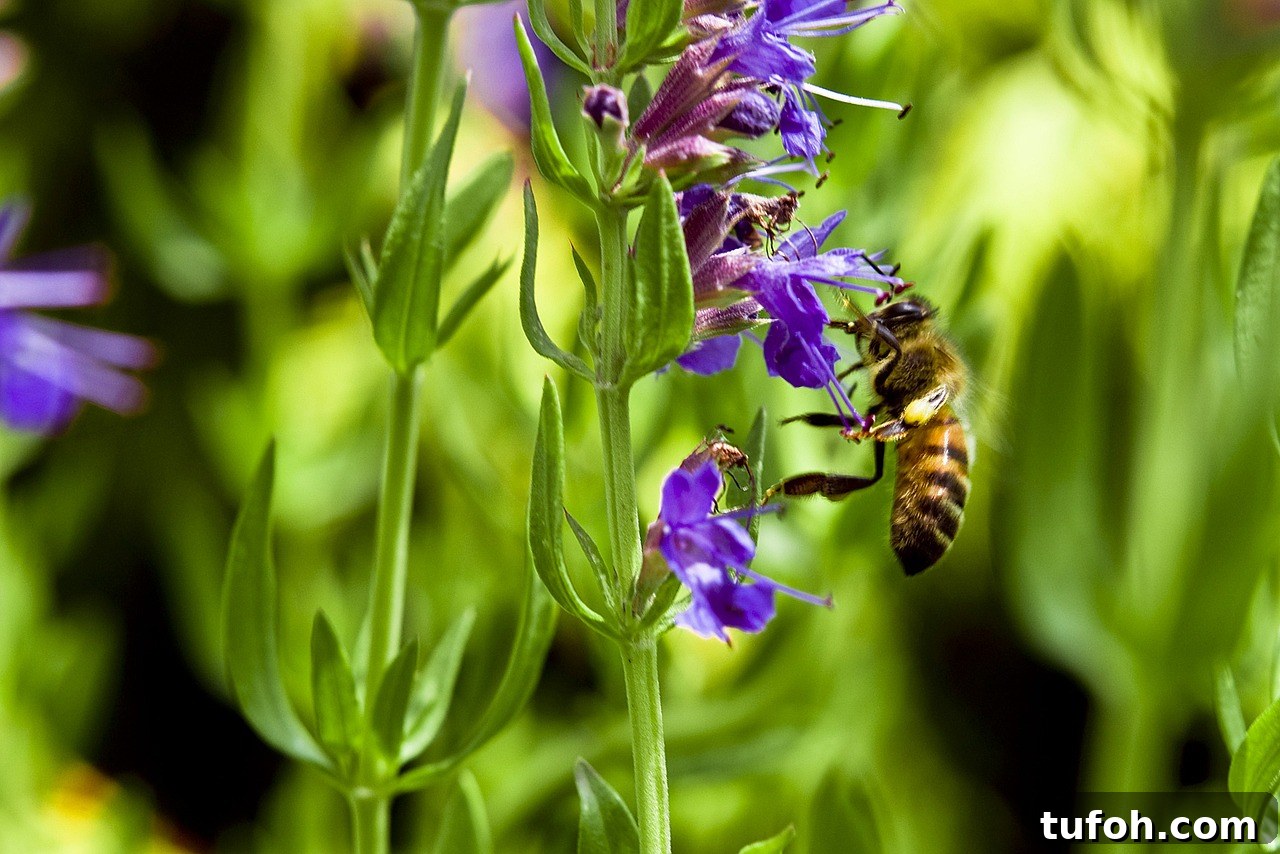
Hyssop (Hyssopus officinalis)
Hyssop is a fragrant perennial with antiviral, antibacterial, and expectorant properties. It supports digestion and respiratory health and is a valuable aromatic for the garden.
Hyssop Benefits
Traditionally used for coughs, digestive complaints, and as an antimicrobial. Its extracts have shown activity against some food-borne pathogens in studies.
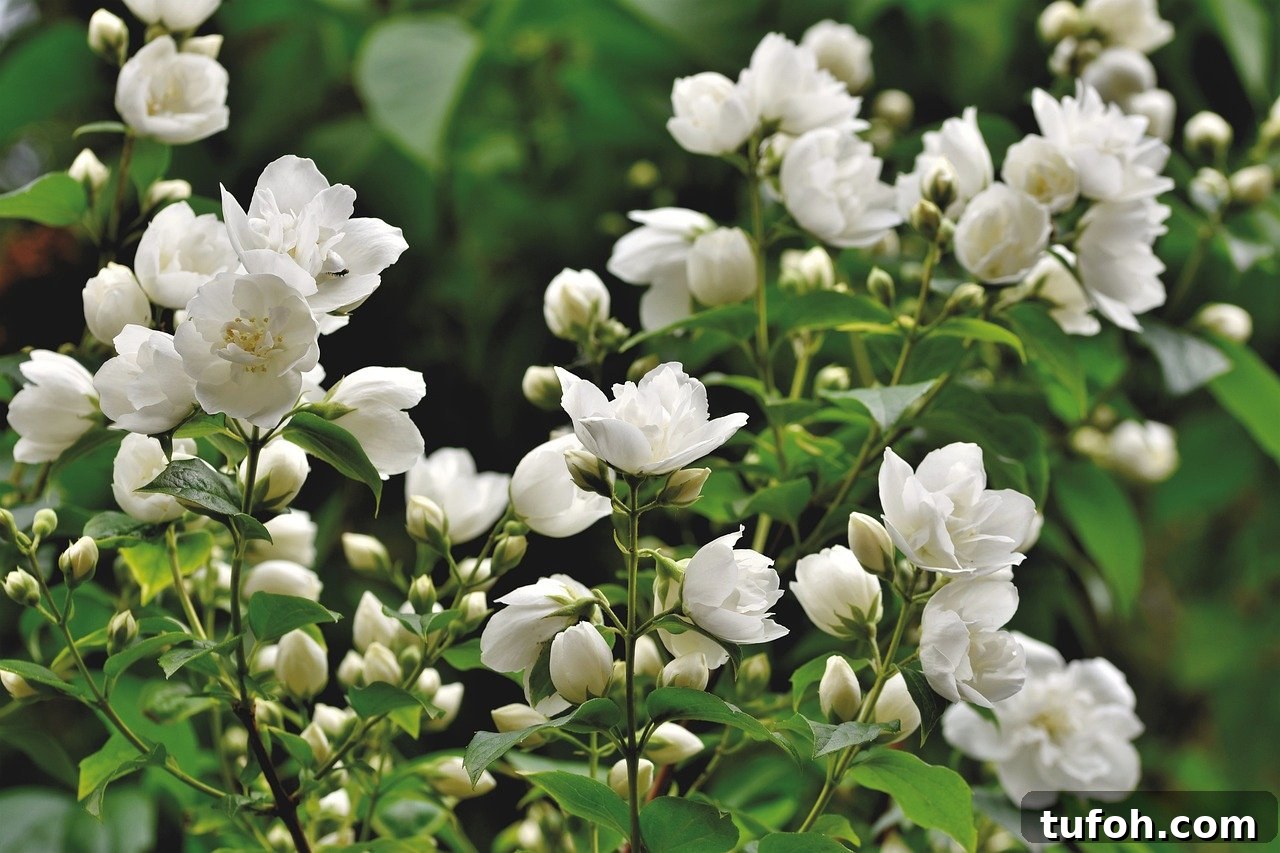
Jasmine (Jasminum officinale)
Jasmine is prized for its aroma and calming effects. The flowers are used in aromatherapy and teas to reduce stress and support mood. Jasmine grows best in warm, sheltered locations.
Jasmine Benefits
Aromatherapy and tea preparations are used to ease stress, improve mood, and sometimes to support digestion and libido.
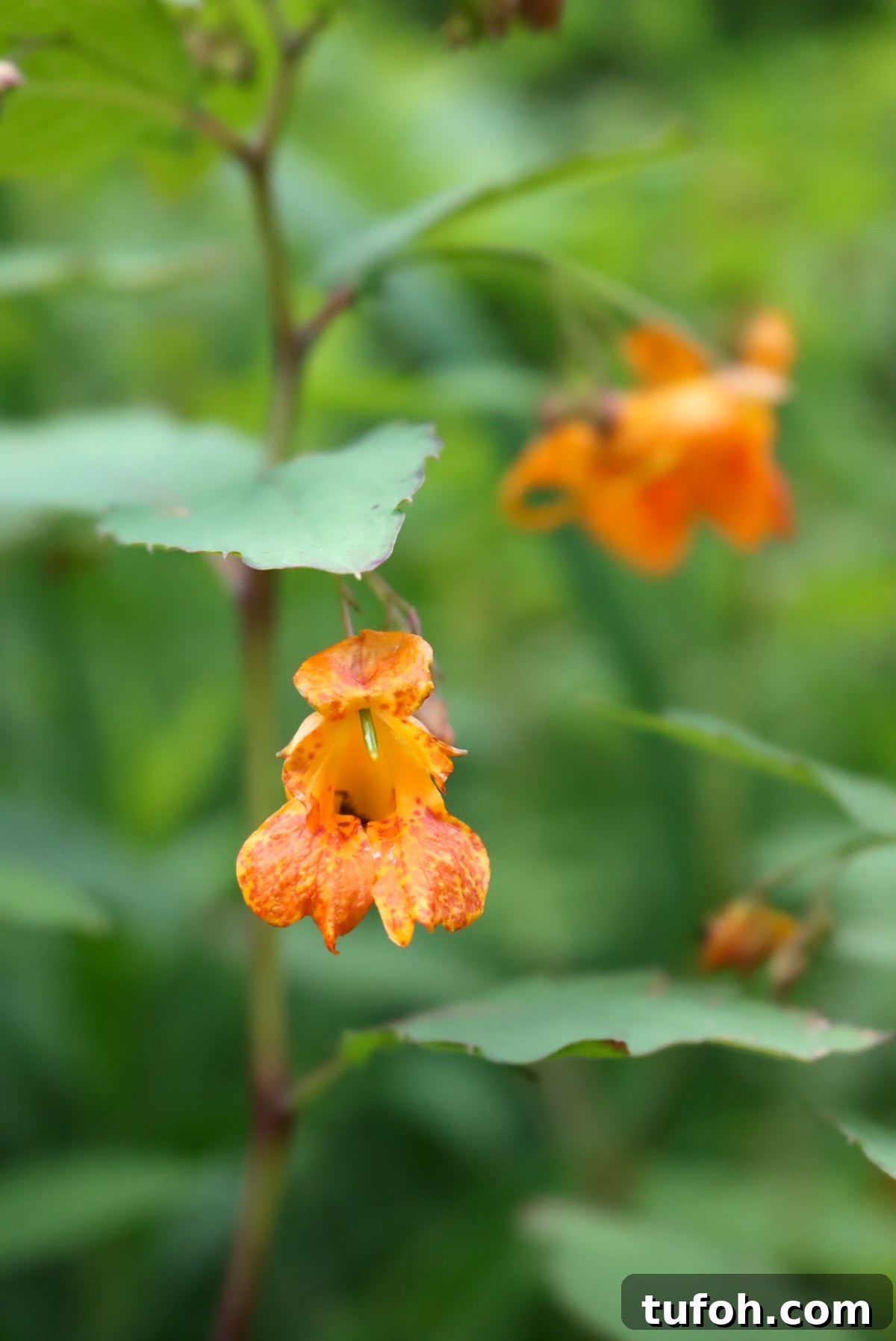
Jewelweed (Impatiens capensis)
Jewelweed grows in moist shade and has a long folk history for soothing skin irritations such as poison ivy rashes. Fresh plant poultices or topical washes are commonly used to ease itching and inflammation.
Jewelweed Benefits
Used for itchy rashes, fungal skin infections, and minor topical wounds. Applying fresh crushed plant or prepared salves can reduce irritation quickly.
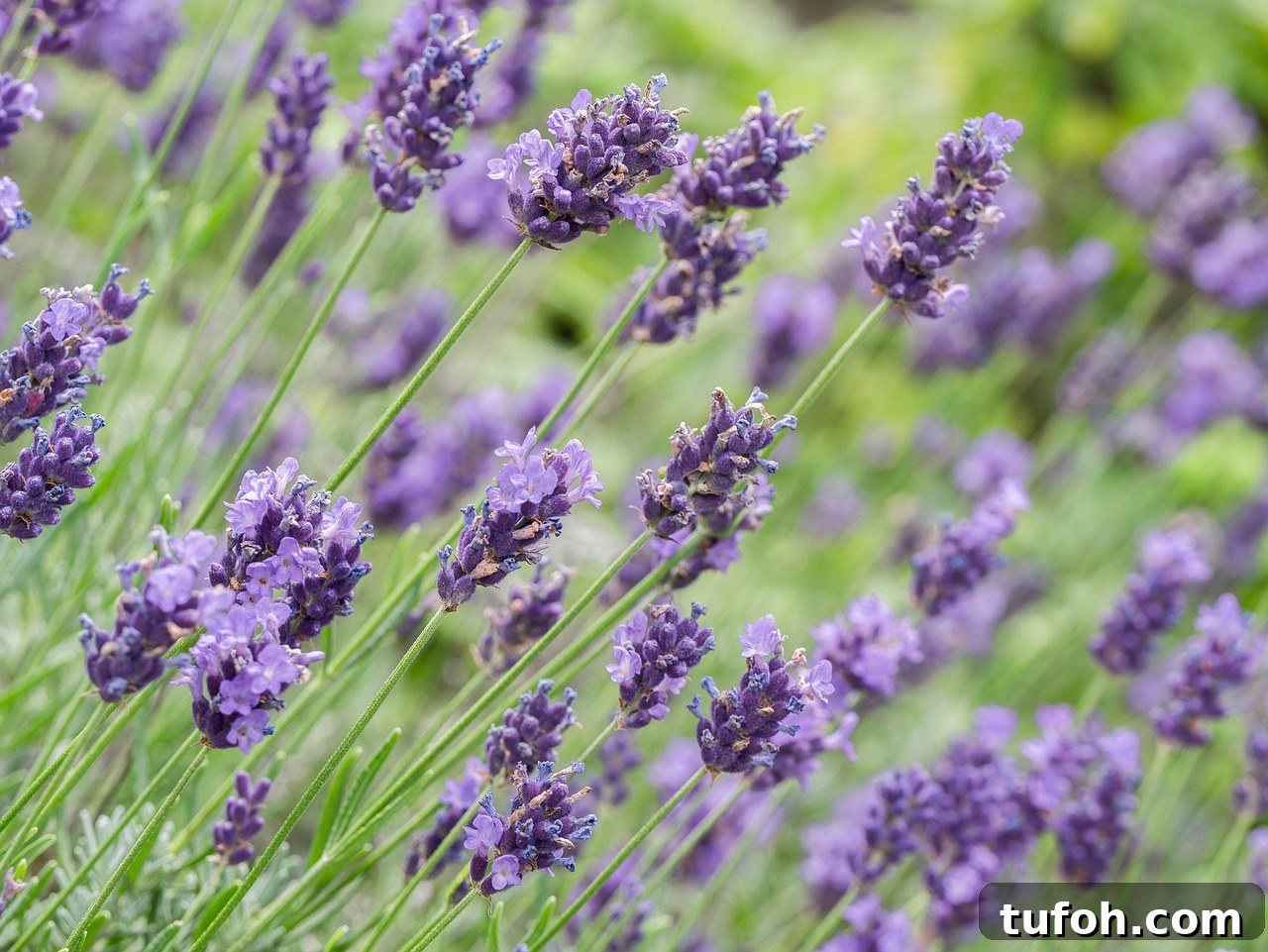
Lavender (Lavandula angustifolia)
Lavender is well known for its calming scent and gentle relaxing properties. It supports sleep, reduces anxiety, and is widely used in topical and aromatic preparations.
Lavender Benefits
Used for insomnia, anxiety reduction, minor skin inflammations, and as a relaxant in baths, sachets, and teas.
Marshmallow (Althaea officinalis)
Marshmallow flowers and roots contain mucilage that soothes mucous membranes, making them useful for sore throats, coughs, and dry irritated tissues. Cold infusions preserve the mucilage best.
Marshmallow Benefits
Traditionally used for sore throats, bronchitis, eczema, and other conditions where a soothing, demulcent action helps relieve irritation.
Motherwort (Leonurus cardiaca)
Motherwort is traditionally used for heart palpitations, anxiety, and menstrual cramps. It contains compounds that relax smooth muscle and can be a supportive nervine for women’s health.
Motherwort Benefits
Used for palpitations, anxiety, PMS, and to ease menstrual discomfort. It also attracts pollinators and is an ornamental addition to larger beds.
Nasturtium (Tropaeolum sp.)
Nasturtiums are edible and attractive annuals with antibacterial and antifungal properties. Both flowers and leaves are used in salads and medicinal preparations for respiratory and urinary complaints.
Nasturtium Benefits
Traditionally used for colds, bronchitis, mild infections, and topical injuries. The peppery flowers make a flavorful edible addition as well as a medicinal one.
Passionflower (Passiflora sp.)
Passionflower is used for anxiety and sleep disturbances and can improve sleep quality in some people. Many species are ornamental vines that also offer medicinal value.
Passionflower Benefits
Traditionally used to reduce anxiety, improve sleep, and support short-term memory in some preparations.
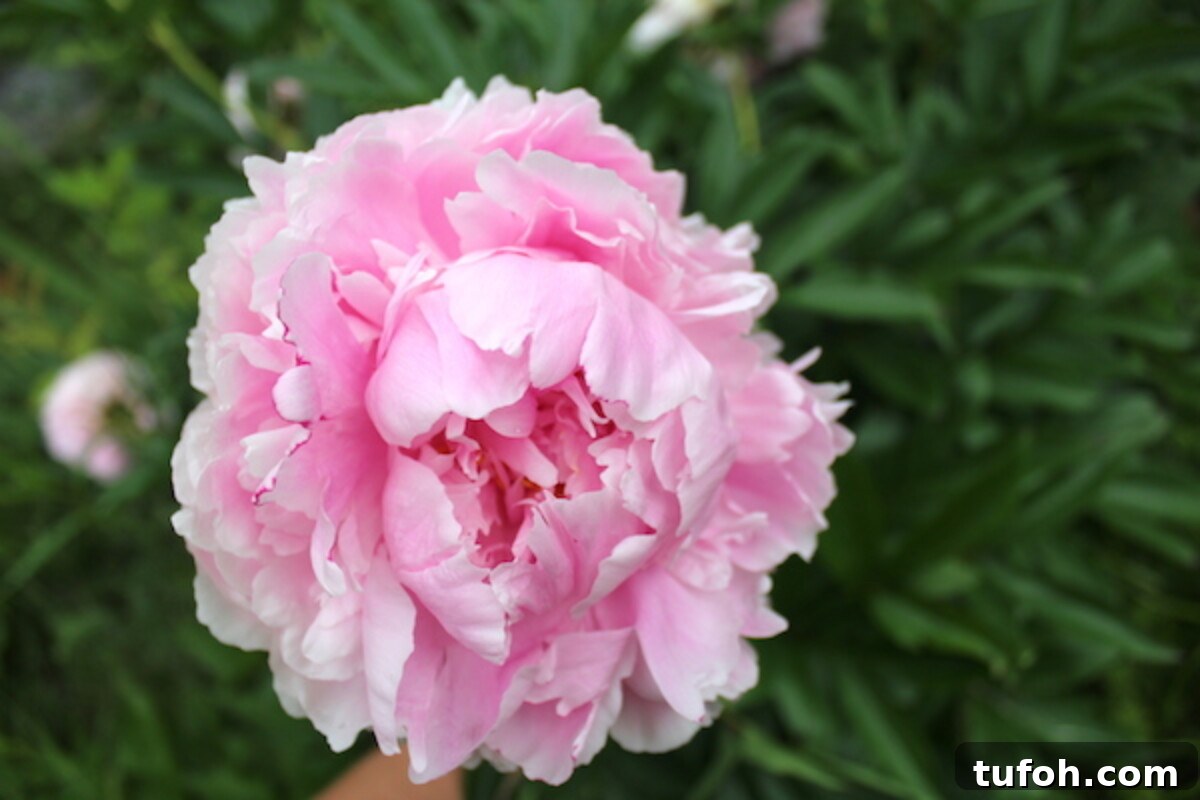
Peony (Paeonia sp.)
Peonies are ornamental and medicinal; in traditional Chinese medicine they have been used for pain, inflammation, and mood support. Flowers and roots have distinct uses in formulations.
Peony Benefits
Historically used to ease muscle spasms, menstrual cramps, and joint inflammation and to support liver health and mood balance.
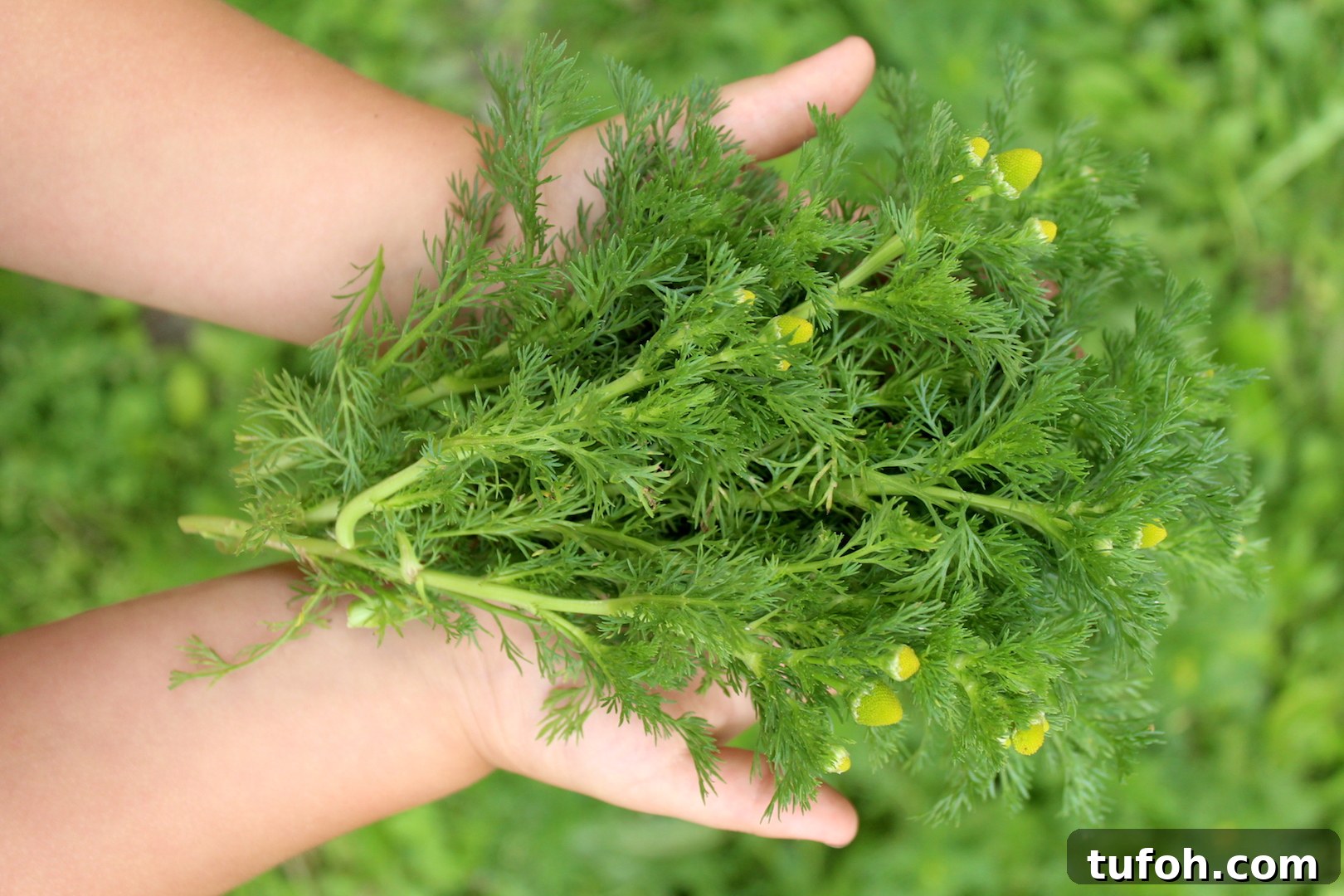
Pineapple Weed (Matricaria discoidea)
Pineapple weed resembles chamomile and offers calming, mild analgesic, and antimicrobial properties. It often appears in disturbed soil and is easily foraged for tea and mild remedies.
Pineapple Weed Benefits
Used for sleep support, relieving colds, mild pain relief, and reducing anxiety. The aroma is reminiscent of pineapple and pleasant in blends.
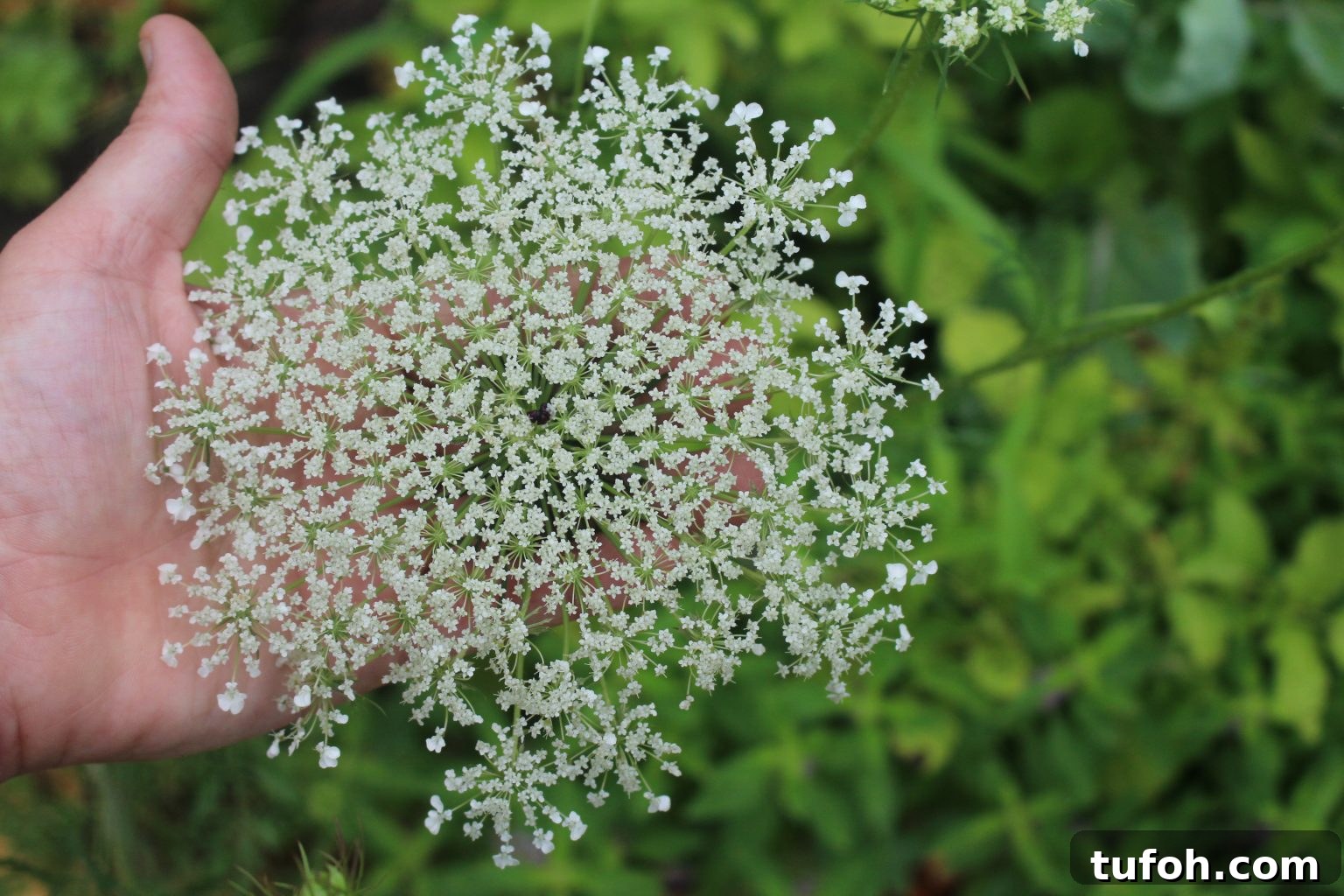
Queen Anne’s Lace (Daucus carota)
Also called wild carrot, Queen Anne’s lace can be used traditionally for digestive and antiseptic purposes. Exercise caution when foraging because it resembles poisonous plants like poison hemlock.
Queen Anne’s Lace Benefits
Historically used as an antiseptic and for digestive support; it was also applied to wounds in times past.
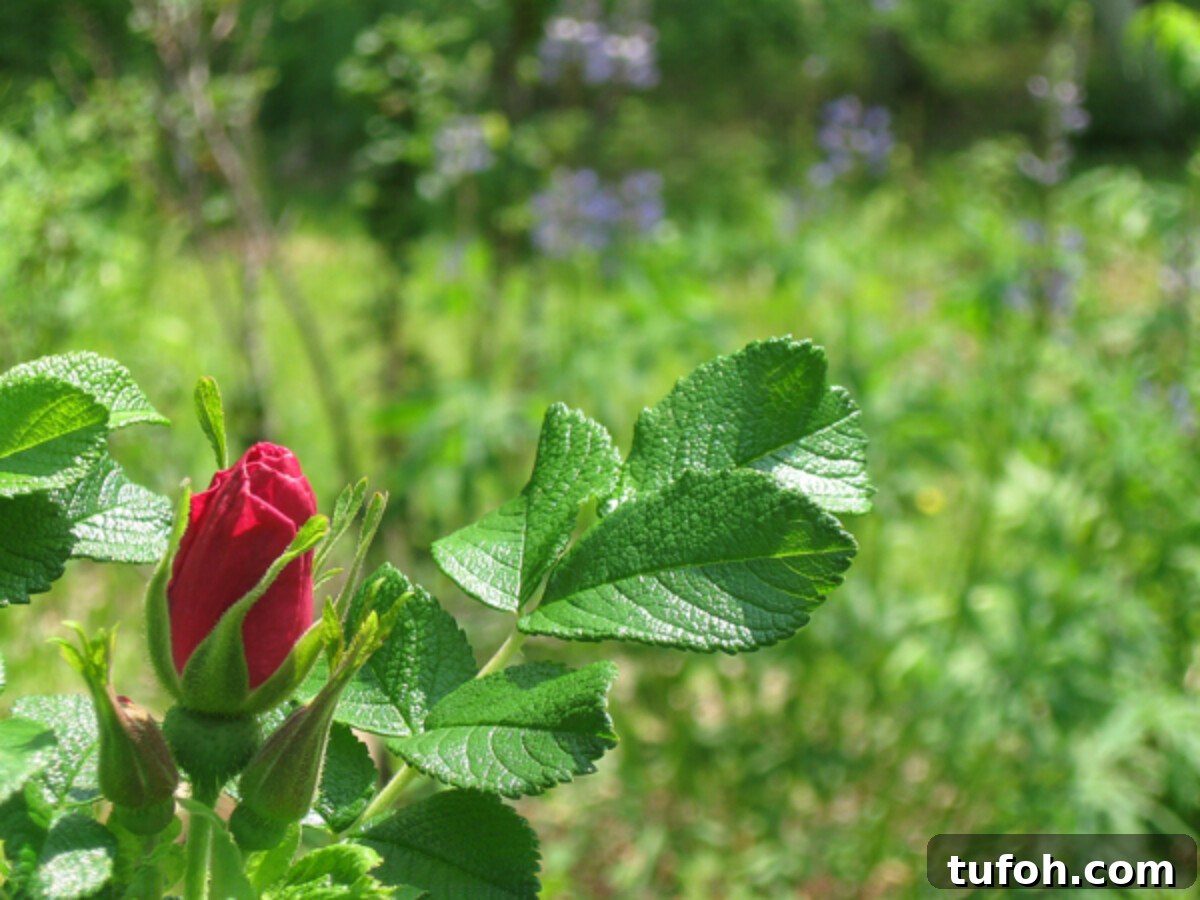
Rose (Rosa sp.)
Roses are both ornamental and medicinal. Petals and rose hips are used for skin-soothing preparations, immune-supportive teas, and aromatic therapies that reduce stress.
Rose Benefits
Used for soothing irritated skin, supporting digestion, easing sore throats, and calming anxiety or low mood. Rose hips are high in vitamin C and make nourishing infusions.
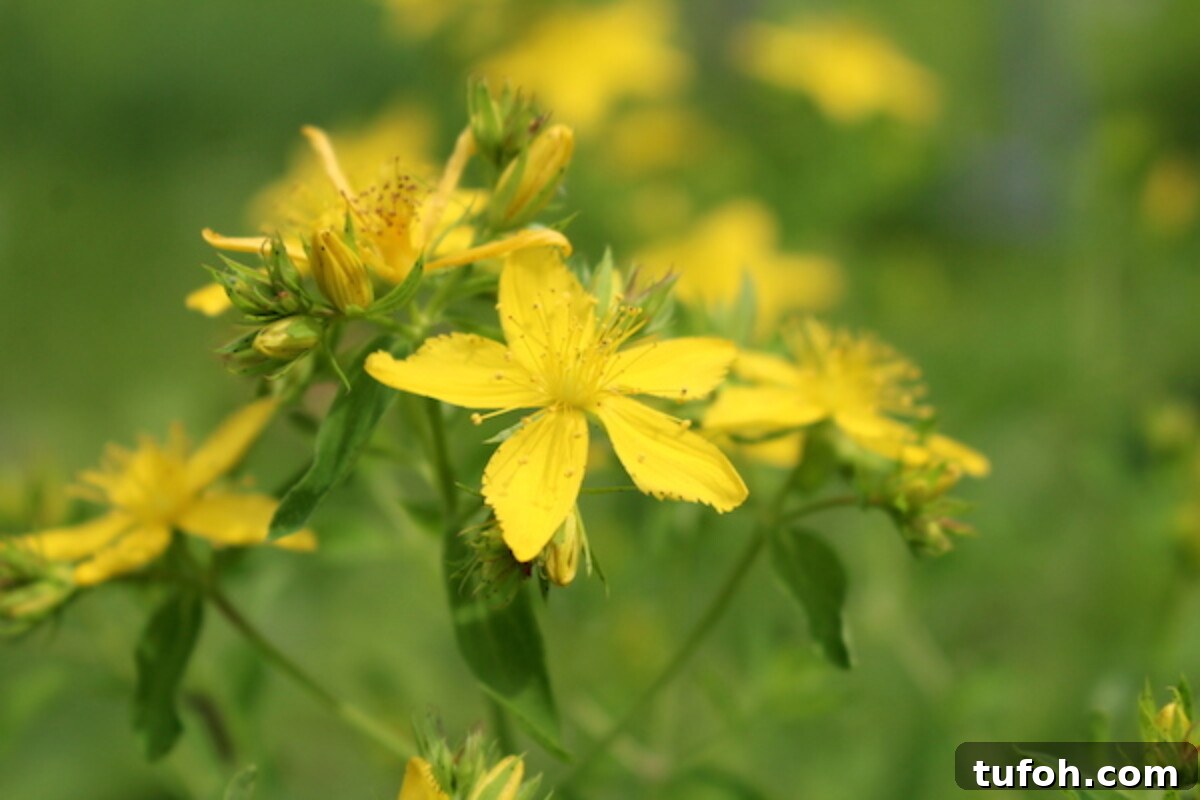
Saint John’s Wort (Hypericum perforatum)
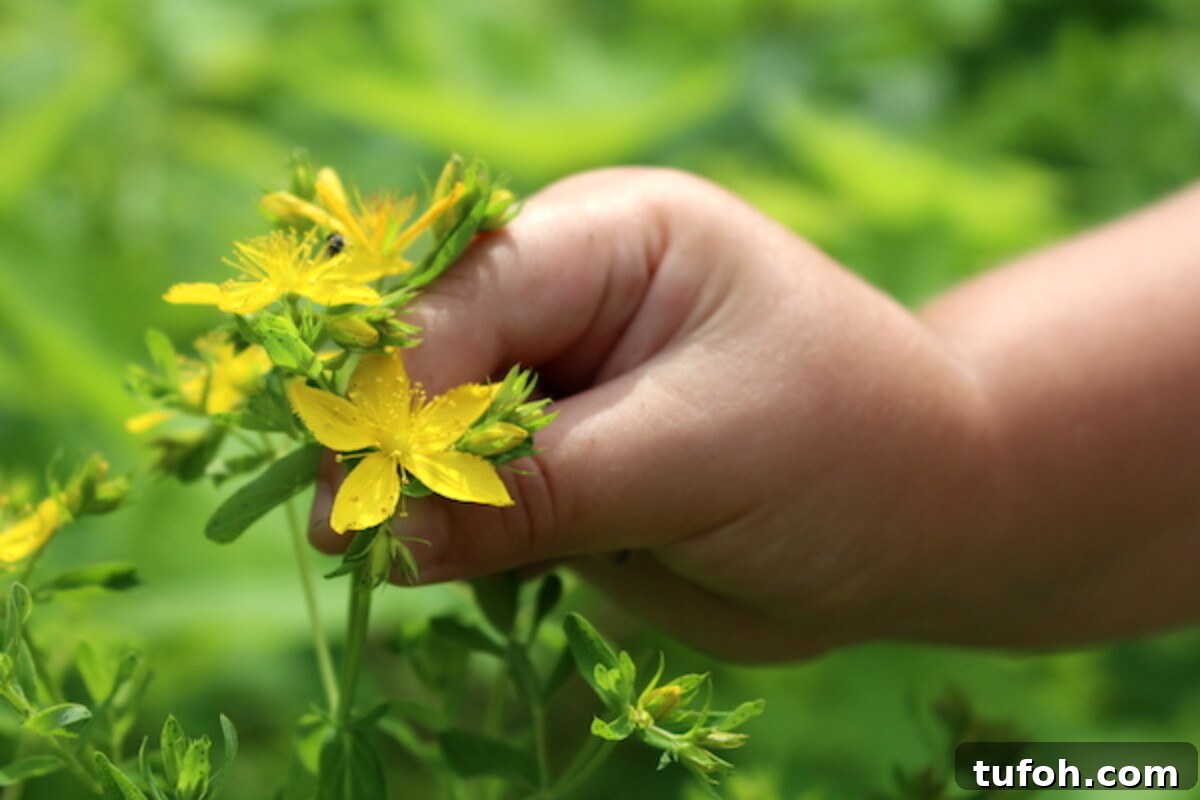
St. John’s Wort is widely used for mild to moderate depression and mood support. It blooms with small yellow flowers and can be made into oils, tinctures, and teas, but it interacts with many medications and should be used under guidance.
Saint John’s Wort Benefits
Traditionally used for depression, anxiety, PMS symptoms, and as a mild antiviral. Consult a professional before use due to many drug interactions.
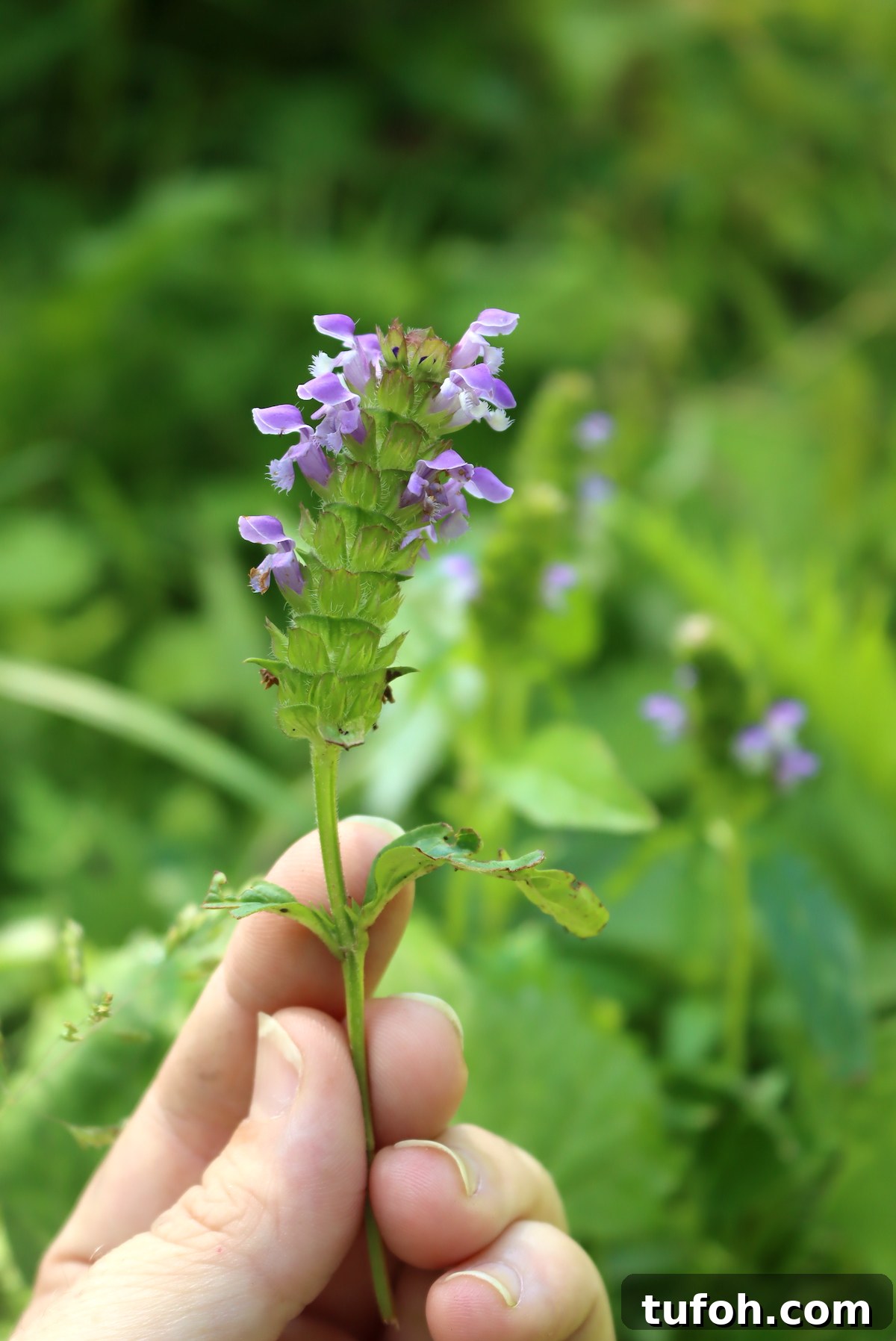
Self Heal (Prunella vulgaris)
Self-heal is a common lawn plant valued for wound-healing, antimicrobial, and anti-inflammatory properties. It’s often used as a topical or mild infusion for throat and digestive complaints.
Self Heal Benefits
Traditionally used for minor cuts, throat infections, and stomach inflammation, and it is being researched for broader medicinal potential.
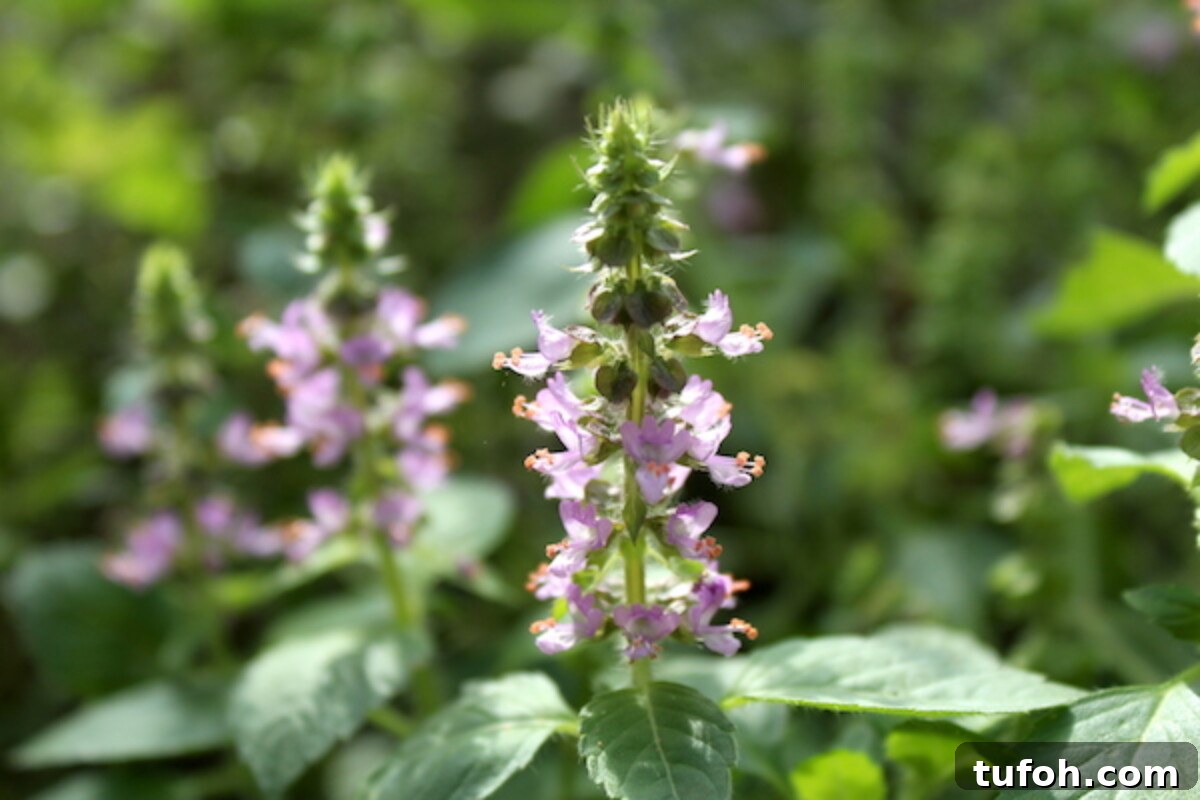
Tulsi (Ocimum tenuiflorum)
Tulsi, or holy basil, is an adaptogenic herb used to help the body manage stress. It also supports healthy glucose and blood pressure regulation in some studies and has anti-inflammatory properties.
Tulsi Benefits
Used to reduce stress and anxiety, treat minor wounds, and support immune and metabolic health. Grow indoors or start seeds early in cooler climates.
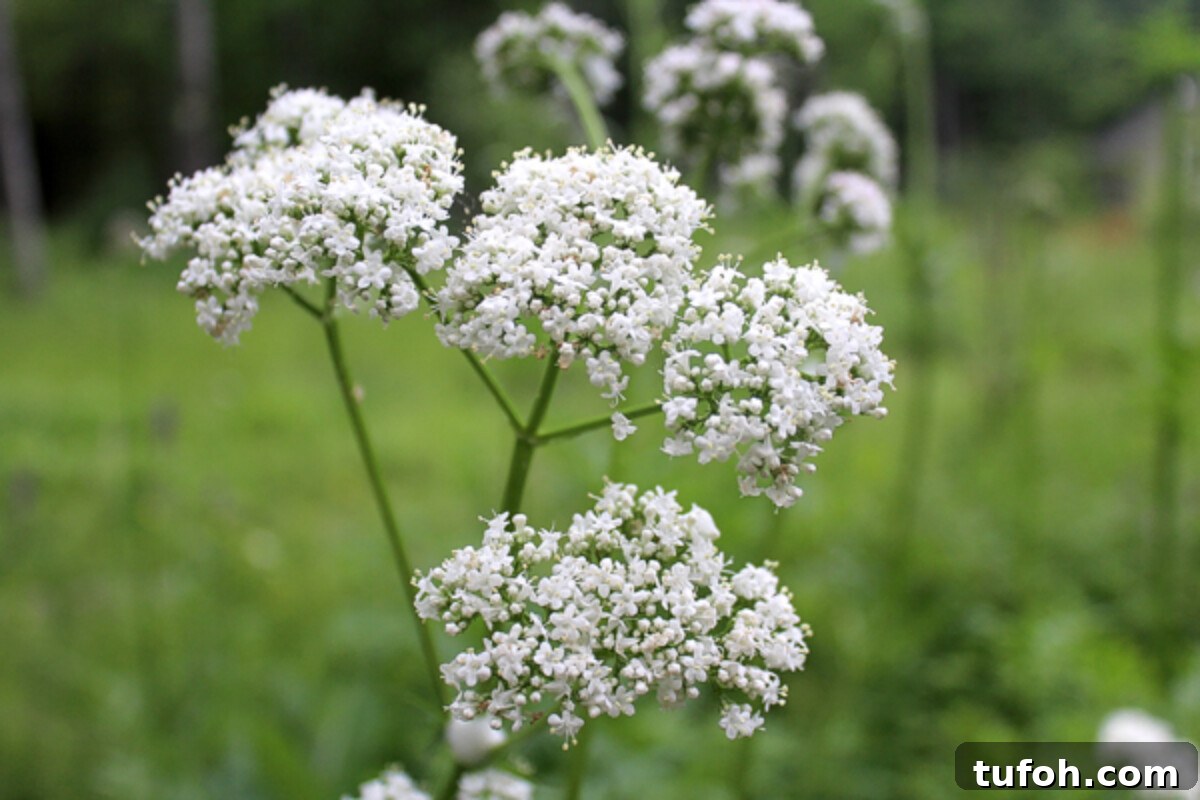
Valerian (Valeriana officinalis)
Valerian is best known for its root, a powerful sleep aid and relaxant. Flowers are also used in some preparations, but the root is the primary medicinal component for insomnia and anxiety.
Valerian Benefits
Used for insomnia, anxiety, and as a gentle sedative. Clinical trials suggest valerian can improve sleep quality for many users.
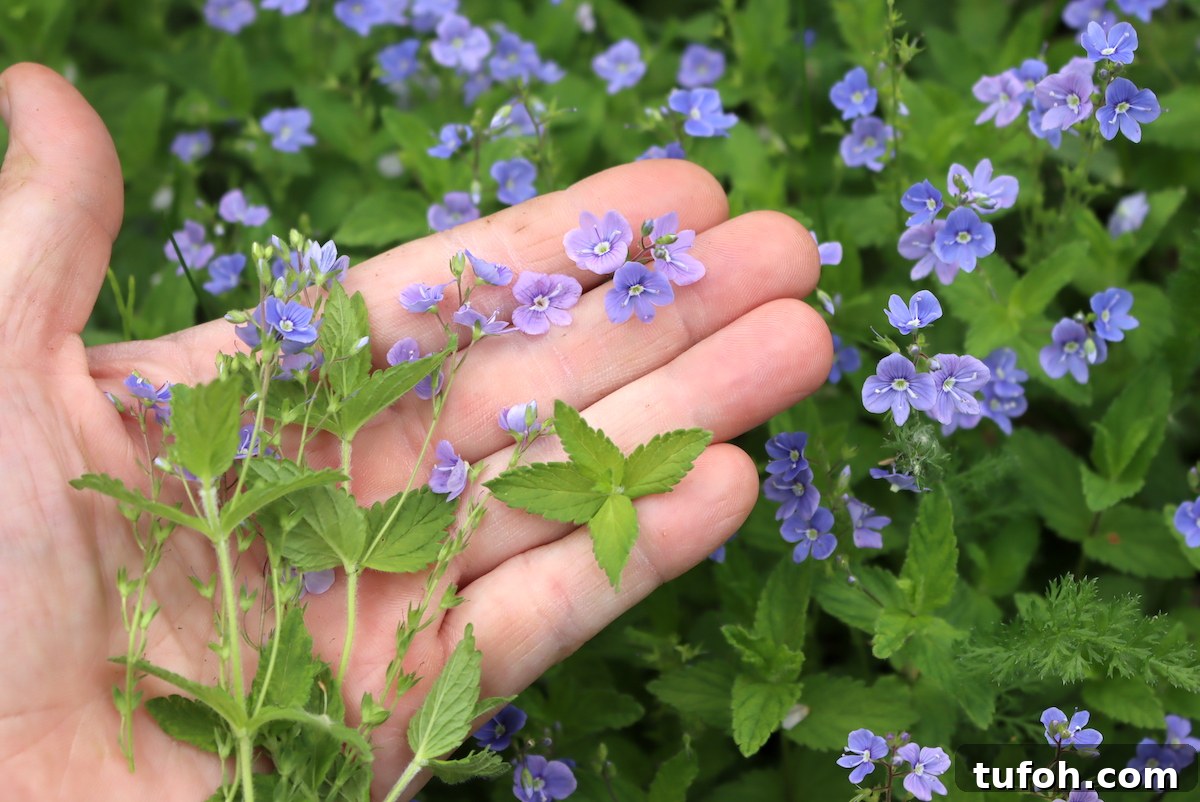
Veronica / Speedwell (Veronica sp.)
Veronica, commonly called speedwell, is a low-growing groundcover with traditional uses for wound healing and anti-inflammatory support. It is generally easy to grow and sometimes self-sows in the landscape.
Veronica Benefits
Historically used for minor wounds, rheumatic aches, and respiratory complaints; modern studies explore anti-inflammatory and antimicrobial properties.
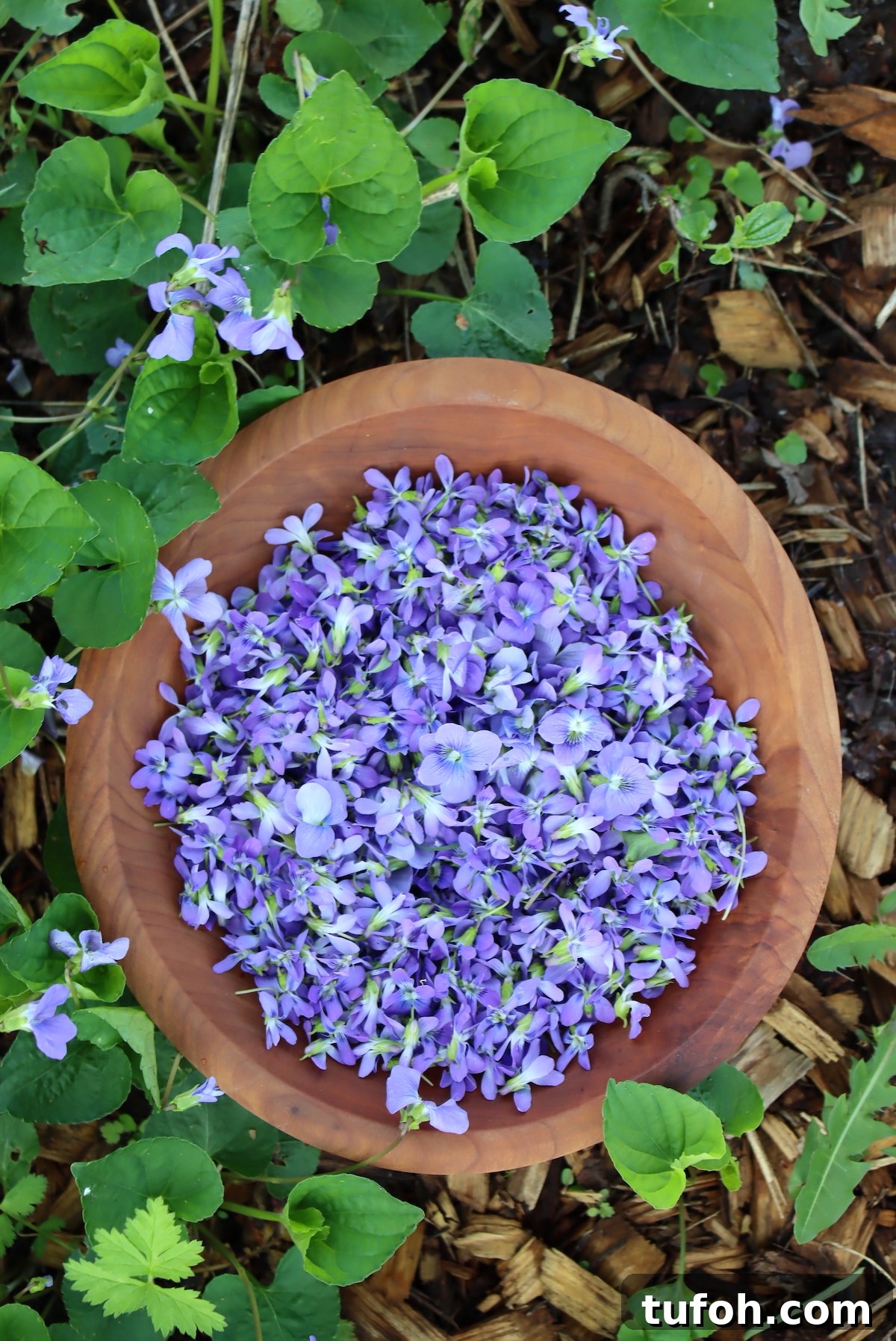
Violets (Viola sp.)
Wild violets are edible and useful in teas and syrups. Both leaves and flowers have gentle medicinal properties for skin, respiratory, and lymphatic support.
Violet Benefits
Used for coughs, chapped skin, swollen lymph nodes, hemorrhoids, and mild inflammation. Violets make pleasant culinary additions and soothing salves.
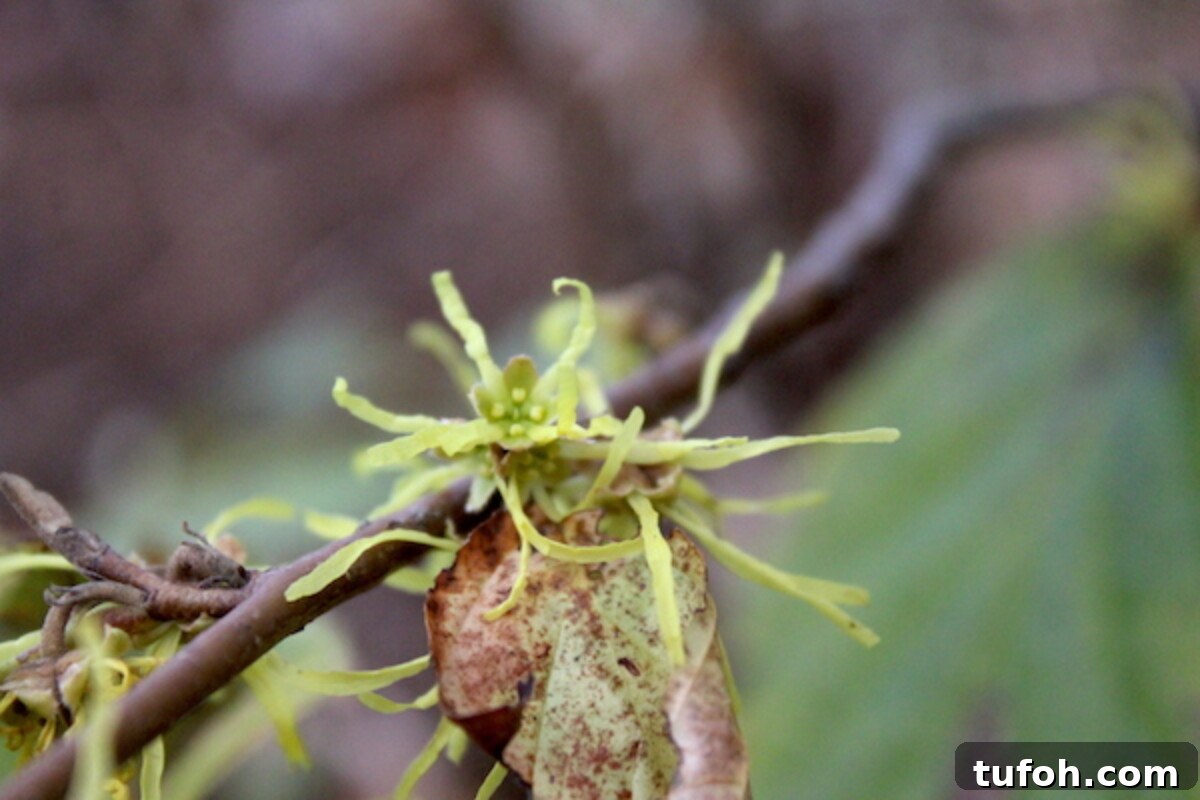
Witch Hazel (Hamamelis virginiana)
Witch hazel is a well-known astringent used for hemorrhoids, skin irritation, and inflammatory conditions. Extracts from the bark and leaves are commonly used in topical preparations.
Witch Hazel Benefits
Used to reduce skin inflammation, soothe sensitive areas, calm bug bites, and relieve hemorrhoid symptoms. It’s a mainstay in many topical herbal products.
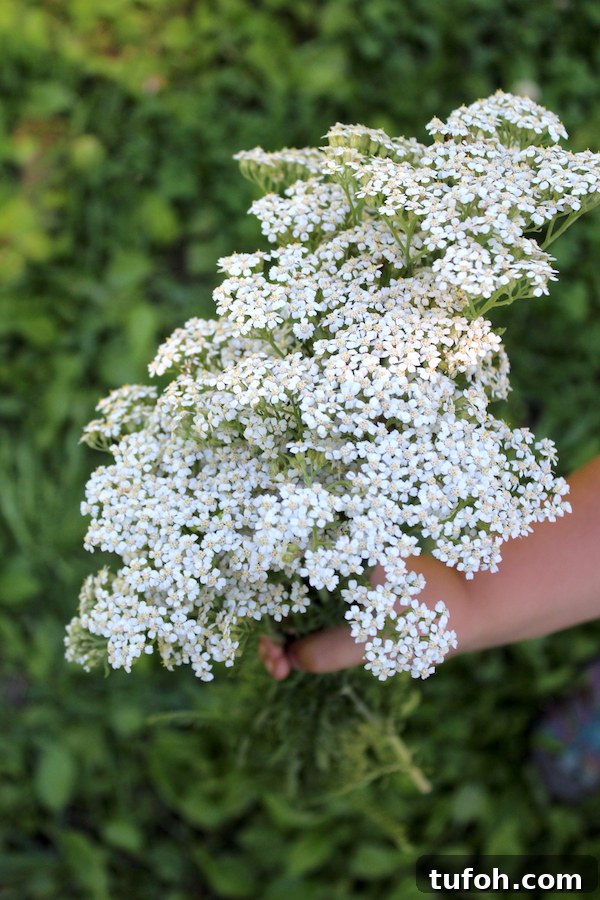
Yarrow (Achillea millefolium)
Yarrow is a hardy wildflower with a long medicinal history for wound healing, reducing inflammation, and easing cold and flu symptoms when taken early.
Yarrow Benefits
Traditionally used to stop bleeding, speed wound healing, reduce fevers, ease digestion, and support respiratory concerns during early illness.
Herbal Disclaimer
This guide is an introductory resource to encourage learning about medicinal plants. It is not a substitute for professional medical advice.
I have used and foraged herbs for many years, but I am not a clinical herbalist. Always verify information using multiple trusted sources and consult a qualified herbalist or healthcare provider before trying new herbal remedies. Herbs can cause allergic reactions or interact with medications.
If you are serious about learning herbal medicine, consider taking reputable courses and studying plant identification, safe preparations, dosages, and contraindications before using herbs therapeutically.
Herbal Guides
If you’d like to explore more topics in herbal medicine, look for guides on medicinal plants, making salves, tinctures, and glycerites, and learn proper harvesting and storage techniques to preserve potency.