By Kevin Williams
Posts grouped in fives are a staple on Amish365 — titles like “5 Amish Corn Recipes” or “5 Amish Potato Salads” are common. Five is a tidy, easy-to-scan number, and lists tend to perform well in search engines while also being user-friendly. They’re practical, convenient, and a simple way to organize ideas.
I thought it would be fun to share the top five “5” posts. I’ll be creating more lists of five in the months ahead, so this ranking may change over time.
Here they are:
Coming in at #1:
5 Amish and Mennonite Sunday Suppers
Also in the top five:
5 Amish Ham Recipes
5 Amish Full-of-Flavor Beef Recipes
5 Amish Farmhouse Thanksgiving Vegetable and Sides Recipes
5 Amish Recipes Using Cake Mix!
There you have it — the Top Five “Five” posts.
On a different topic, you might wonder how an Amish church is organized. Their structure is highly decentralized. There is no single, overarching leader; authority typically rests with the local bishop.
CHURCH STRUCTURE: No two Amish churches are exactly the same. Unlike denominations with centralized administration — for example, the headquarters of the Latter-day Saints or the Vatican for Roman Catholics — the highest authority in Amish communities is the local bishop. While many Amish churches share similar beliefs and traditions, variations are common. Some districts permit indoor plumbing while others do not. Most Amish avoid being photographed, but a few congregations have more relaxed rules regarding photography.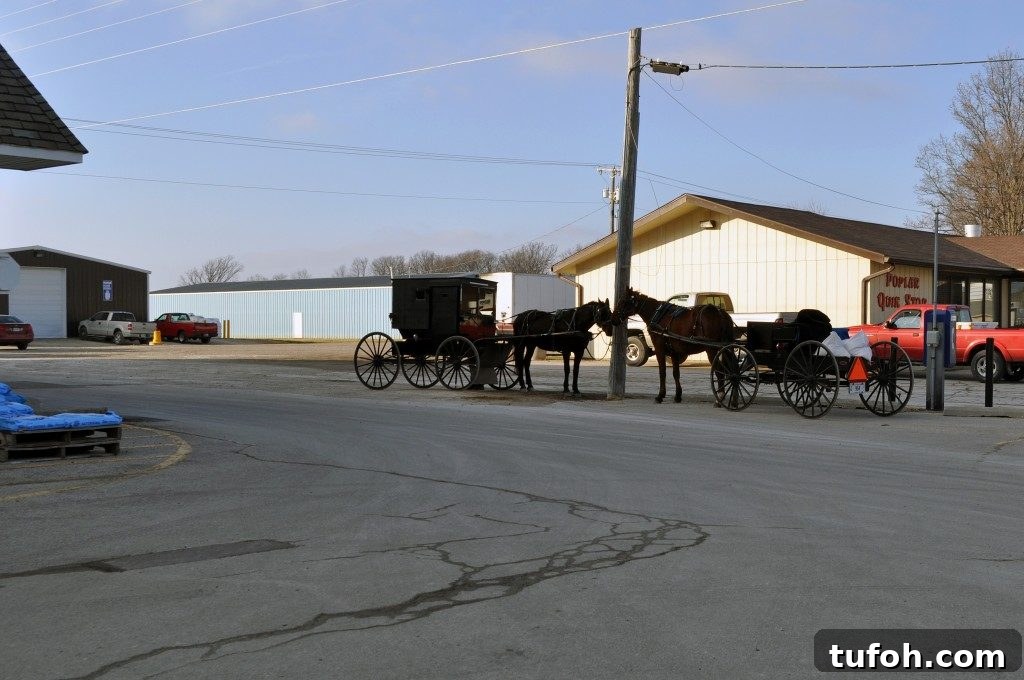
Typical Amish church districts often consist of around 25 families. If a district grows significantly larger, it may split into two separate districts; those new districts usually maintain fellowship with one another. In some cases the division results from theological differences, and when that happens interaction between the groups may become limited.