Many readers email asking for practical advice on how to start a small business. With the current economic climate, more people are rethinking their careers and exploring ways to turn hobbies and skills into income. Baking, crafts, freelance services and other home-based ventures often look attractive when traditional employment is uncertain.
Turning a hobby into a viable business can be rewarding, but it usually requires more planning than simply doing the occasional project at home. Below are practical steps and considerations to help you move from an idea to a functioning sole trader, with a focus on common pitfalls and priorities new business owners often overlook.
Legal and regulatory steps
Start by contacting your local council to register your business if required and to learn about local regulations, especially for food, health and hygiene. Early engagement helps you understand inspections, licences and any specific requirements for home-based operations. This reduces the chance of unexpected compliance issues later on.
Financial setup
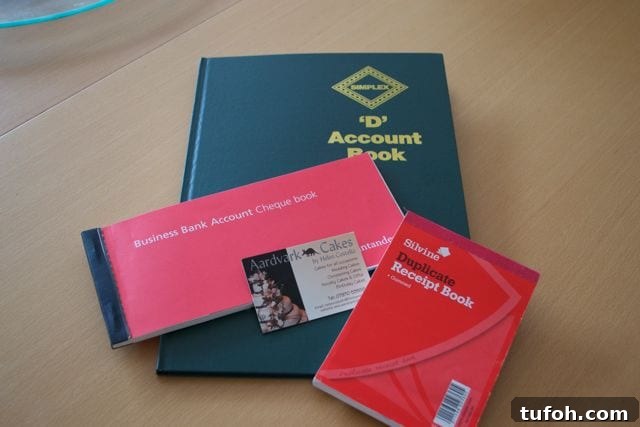
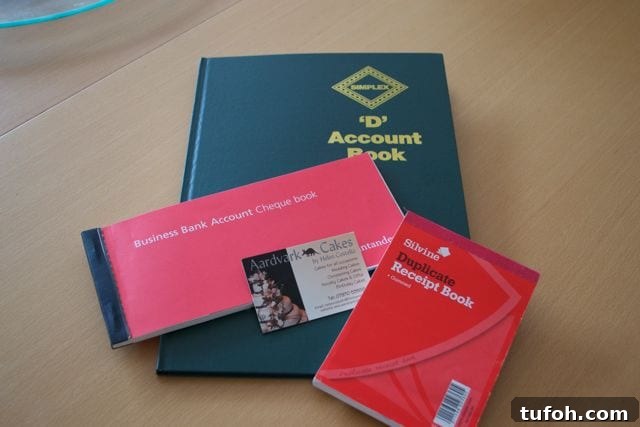
Open a dedicated business bank account. Many banks offer business accounts that are either free or inexpensive if you use online and machine services. Keeping personal and business finances separate simplifies bookkeeping, tax reporting and makes it easier to monitor cash flow.
Hiring an accountant is a worthwhile investment for most new businesses. An accountant can help with tax planning, VAT registration if necessary, and advise on allowable expenses. Factor accounting fees into your startup costs so you don’t underestimate overheads.
Insurance and risk management
Insurance should be considered early. Depending on your activity, you may need public liability insurance, product liability or cover for tools and stock. Insurance protects you from claims and lets customers feel more confident dealing with your business.
Branding and online presence
A professional website is essential. It showcases your work, describes your services, and builds trust with potential customers. Use clear, high-quality images and simple navigation to highlight your products and service offerings.
Social media platforms such as Facebook, Twitter, LinkedIn, Pinterest and Flickr can help you reach local and niche audiences. Consistent posting, responding to messages and joining relevant groups takes time, but social media is a cost-effective way to grow awareness and engage with customers. Be selective about platforms to avoid spreading yourself too thin.
Suppliers and inventory
Source reliable suppliers for materials and equipment. Review your suppliers regularly to ensure pricing and quality remain competitive. Building a relationship with a few dependable suppliers reduces the risk of disruption and helps you negotiate better terms as your business grows.
Local support and networking
Local business organisations like your Chamber of Commerce or business growth hubs can offer guidance, networking opportunities and sometimes grants or support programs. Attend local networking events and connect with other small business owners—real-life relationships often lead to collaborations and referrals.
Operations and family considerations
Decide whether you need a separate business phone number or if you will use your mobile for customer contact. Set clear boundaries for when you are available to avoid constant interruptions. Talk with family members about changes to schedules, workspace use and shared responsibilities; their support is important when running a home-based business.
Marketing and sales channels
Consider where you will sell your products or services: online shop, local markets, wholesale to retailers, or direct to customers through events. Each channel has different costs and time commitments. Plan basic marketing—business cards, local advertising and online listings—based on your target customers and budget.
Starting a business involves many small decisions that add up. Early planning, sound financial practices, legal compliance and a clear online presence create a strong foundation. If you have experience to share, or tips you found useful when starting out, please add them—practical insights from other small business owners are always valuable.