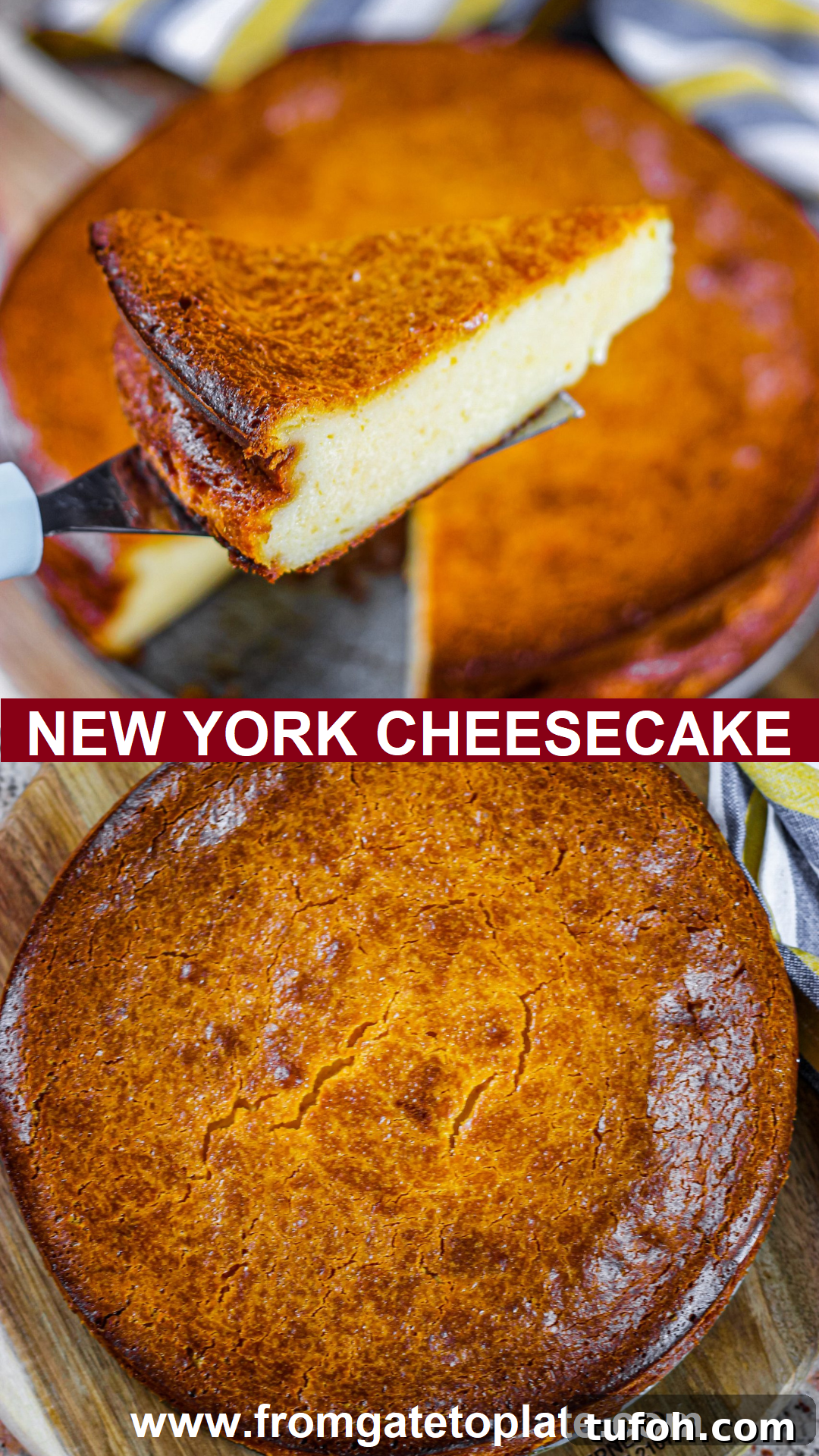
Who doesn’t love a slice of rich, creamy New York–style cheesecake? This classic dessert is beloved for its dense, velvety texture and clean, tangy flavor. While it may seem like a bakery-only item, you can easily make an authentic New York cheesecake at home with a few simple ingredients and straightforward steps.
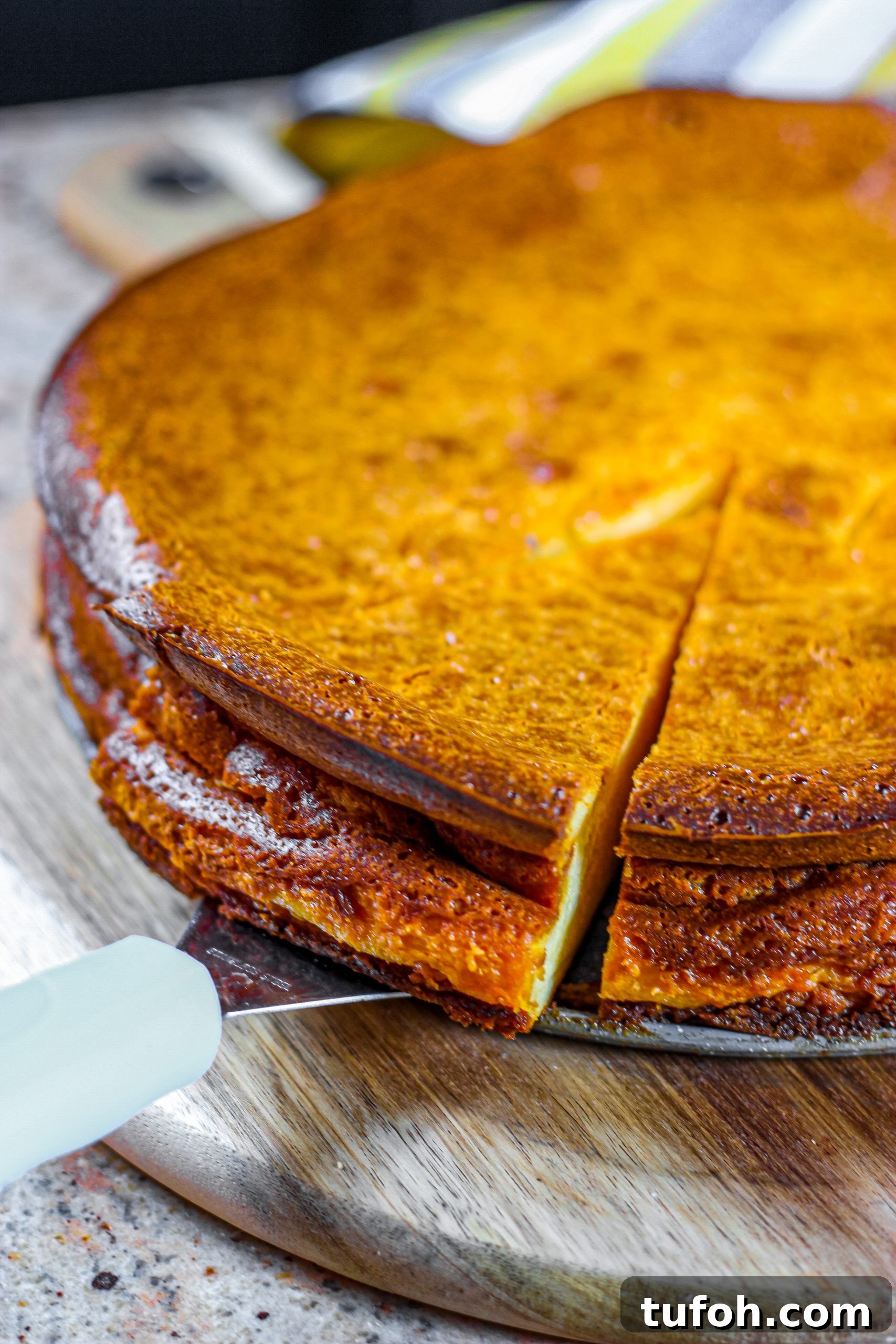
This recipe is designed to be approachable for bakers of all levels. The final cheesecake is luxuriously smooth and intensely creamy. Unlike many modern variations, this version is intentionally not overly sweet—the balance of tangy cream cheese, sour cream, and a hint of lemon creates a perfectly balanced flavor profile.
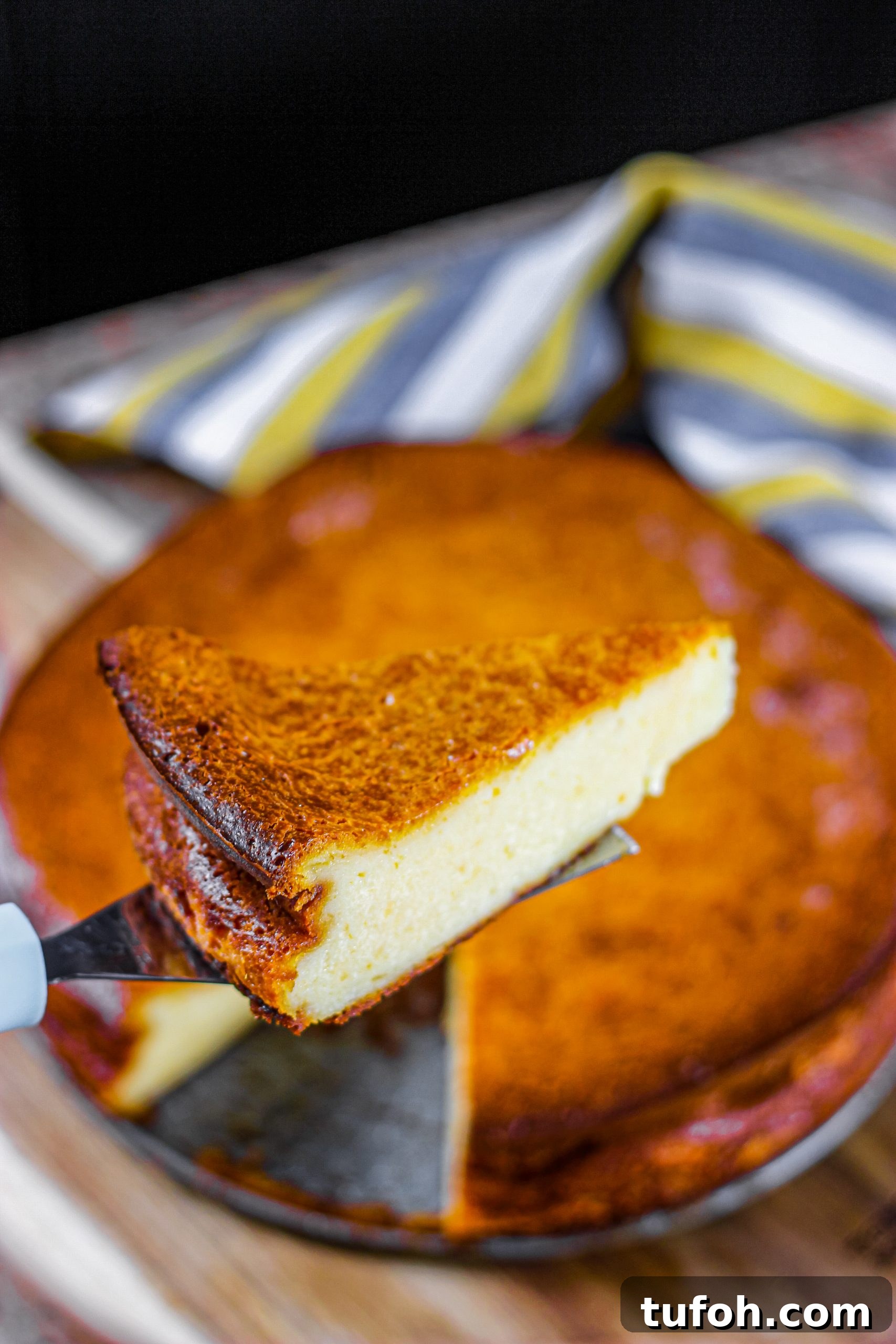
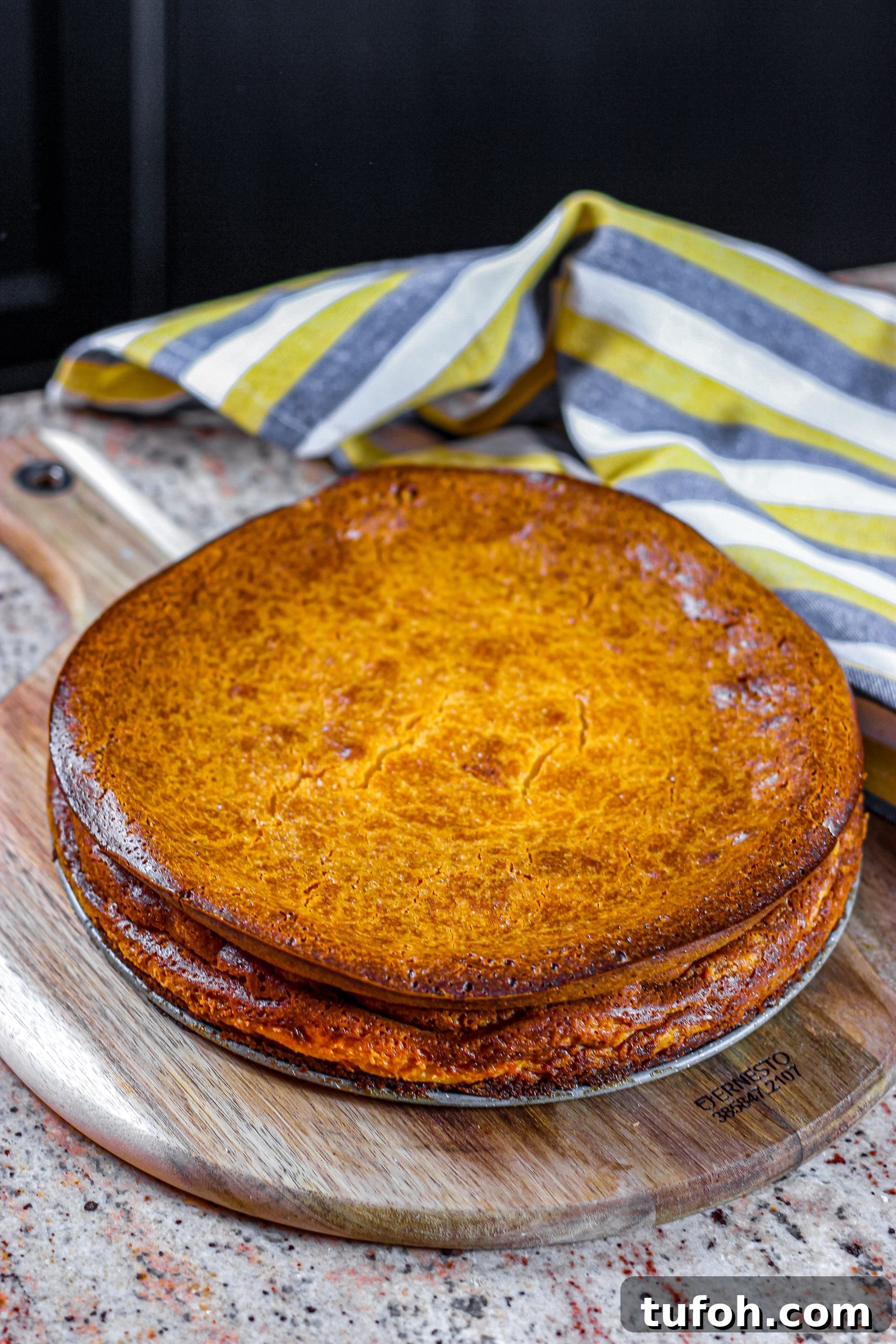
One distinguishing feature of this authentic style is that it is often baked without a crust. Baking the cheesecake void of a cookie or graham base allows the pure cream cheese flavor to shine. Many people enjoy a crust, but try this version without one at least once—you may prefer the pure, unencumbered texture and taste.
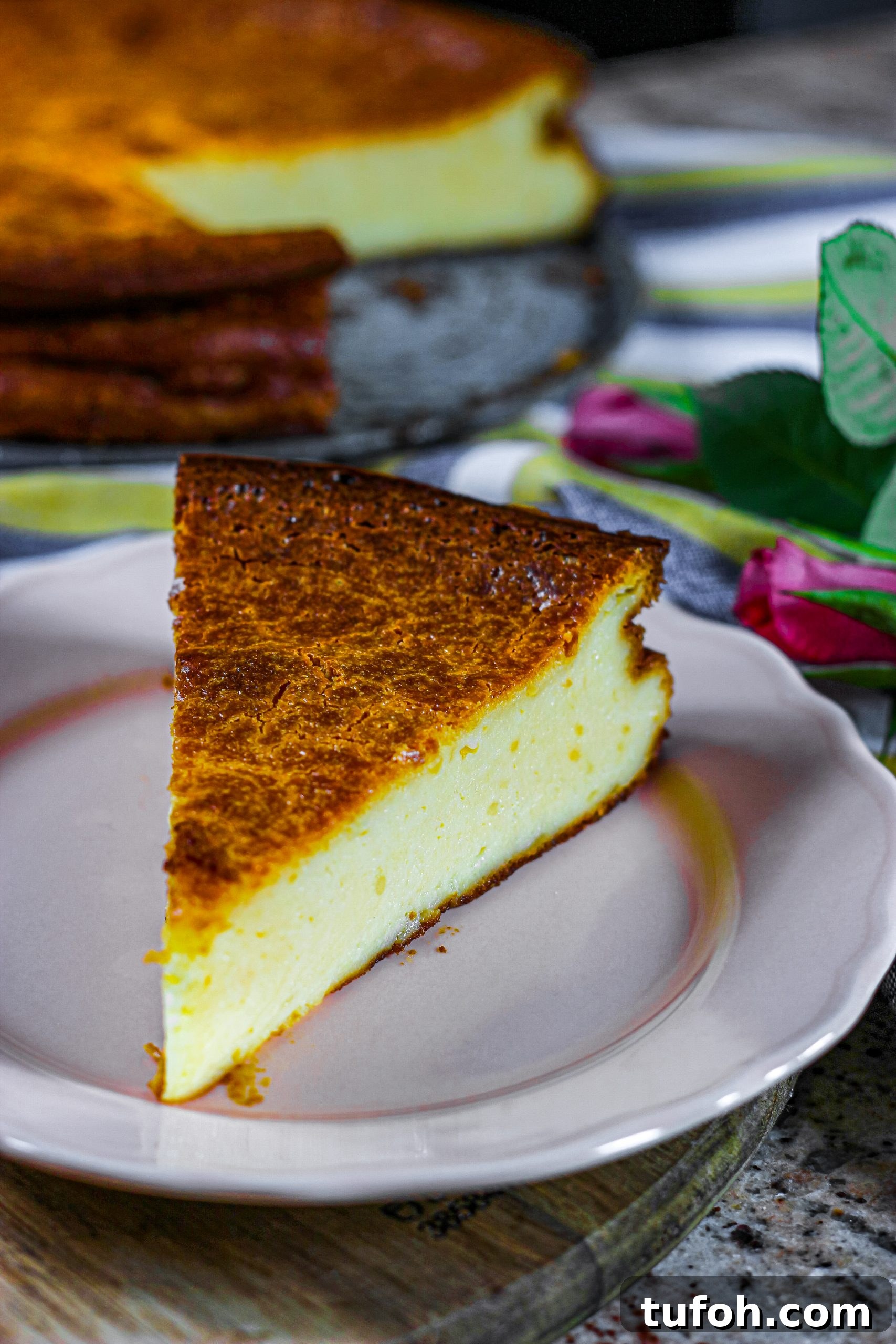
Cheesecake has delighted generations, and with this recipe you can recreate that classic New York experience at home. It requires no complicated techniques—just room-temperature ingredients, gentle mixing, and a low, slow bake to achieve a smooth surface and creamy interior.
Why no crust with this cheesecake?
Traditional New York–style cheesecakes are frequently baked without a crust. They are usually prepared in a well-greased springform pan, and the pure, unadorned filling is part of the classic presentation. Baking without a crust emphasizes the dense, silky texture and the cream cheese flavor.
Will it still taste great without a crust?
Absolutely. When properly mixed and baked at a low temperature, this crustless New York cheesecake is rich and satisfying. The sour cream and lemon brighten the flavor, and the cornstarch helps give the filling structure without adding heaviness.
What makes this recipe special?
This version is simple, reliably creamy, and not overly sweet. It focuses on quality ingredients—full-fat cream cheese, fresh lemon, real vanilla, and sour cream—to deliver an authentic flavor and texture you would expect from a classic New York cheesecake.
Storage and refrigeration
Because this dessert contains dairy and eggs, it must be refrigerated. Once fully cooled, cover the cheesecake tightly with plastic wrap or place it in an airtight container. It will keep well in the refrigerator for several days and often tastes even better after resting overnight, when the flavors have had time to meld.
Why does the top sometimes crack?
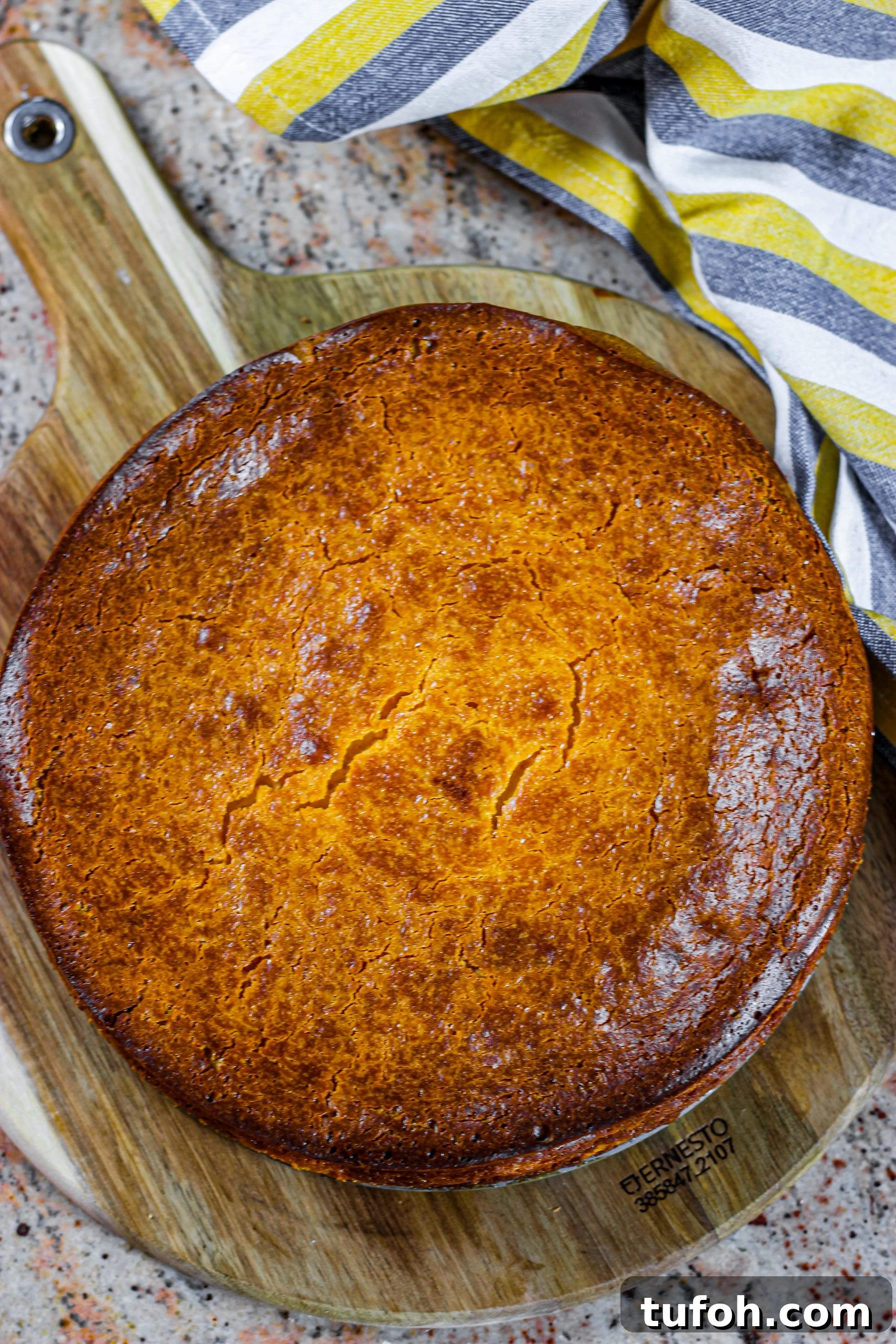
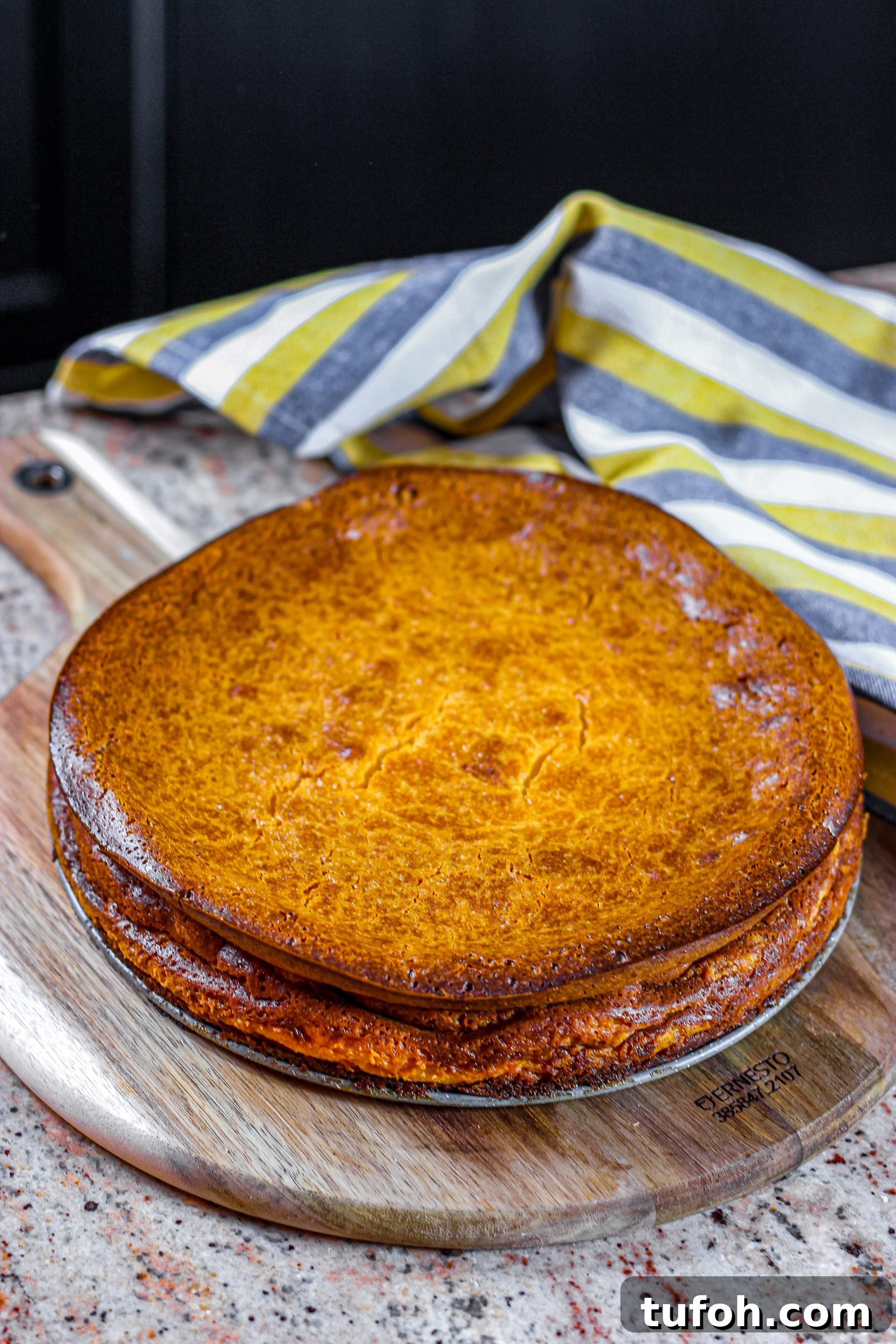
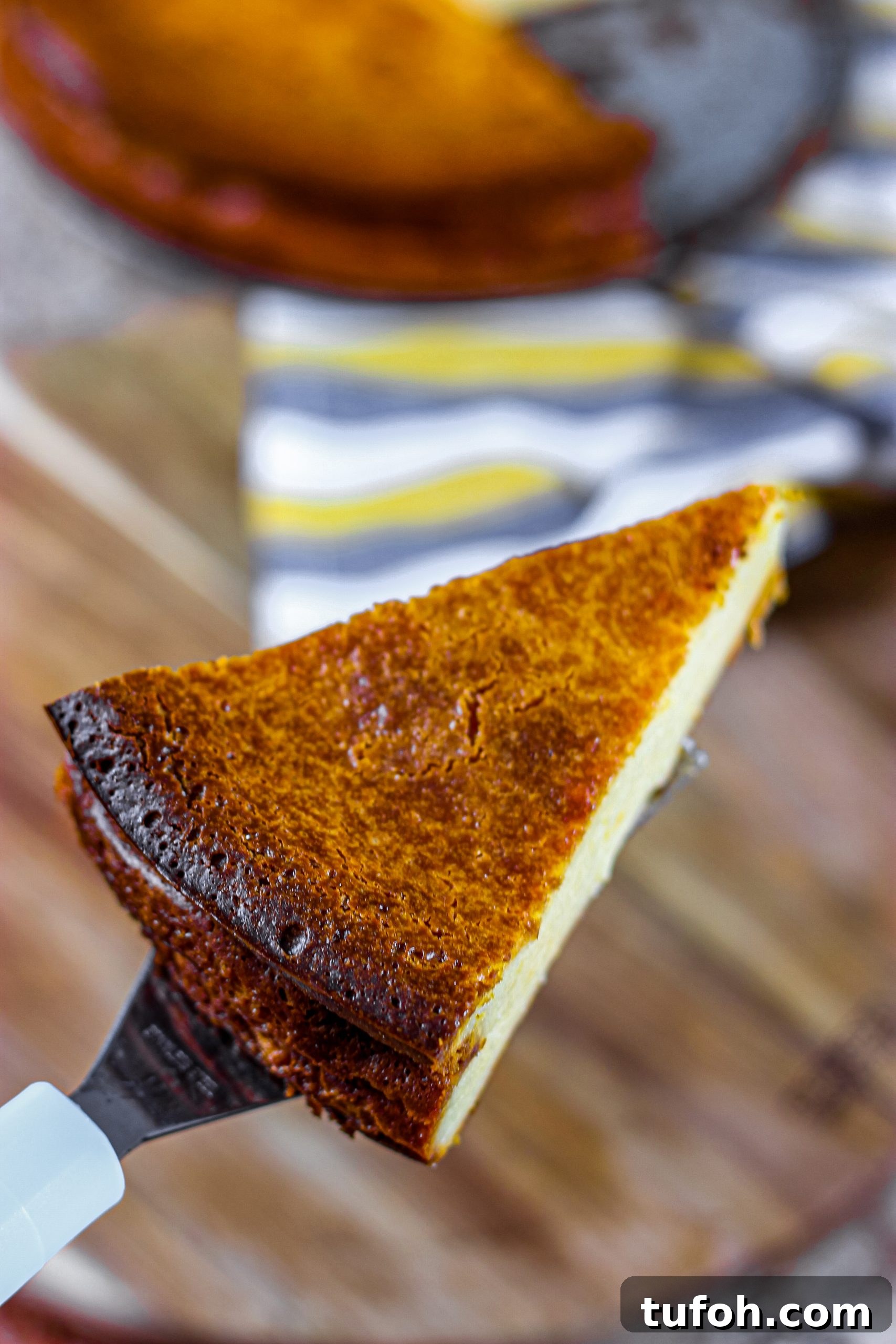
Surface cracking is usually caused by baking at too high a temperature or baking too long. To minimize cracking, bake slowly at a low temperature and avoid overbaking. Allow the cheesecake to cool gradually—sudden temperature changes can also cause cracks.
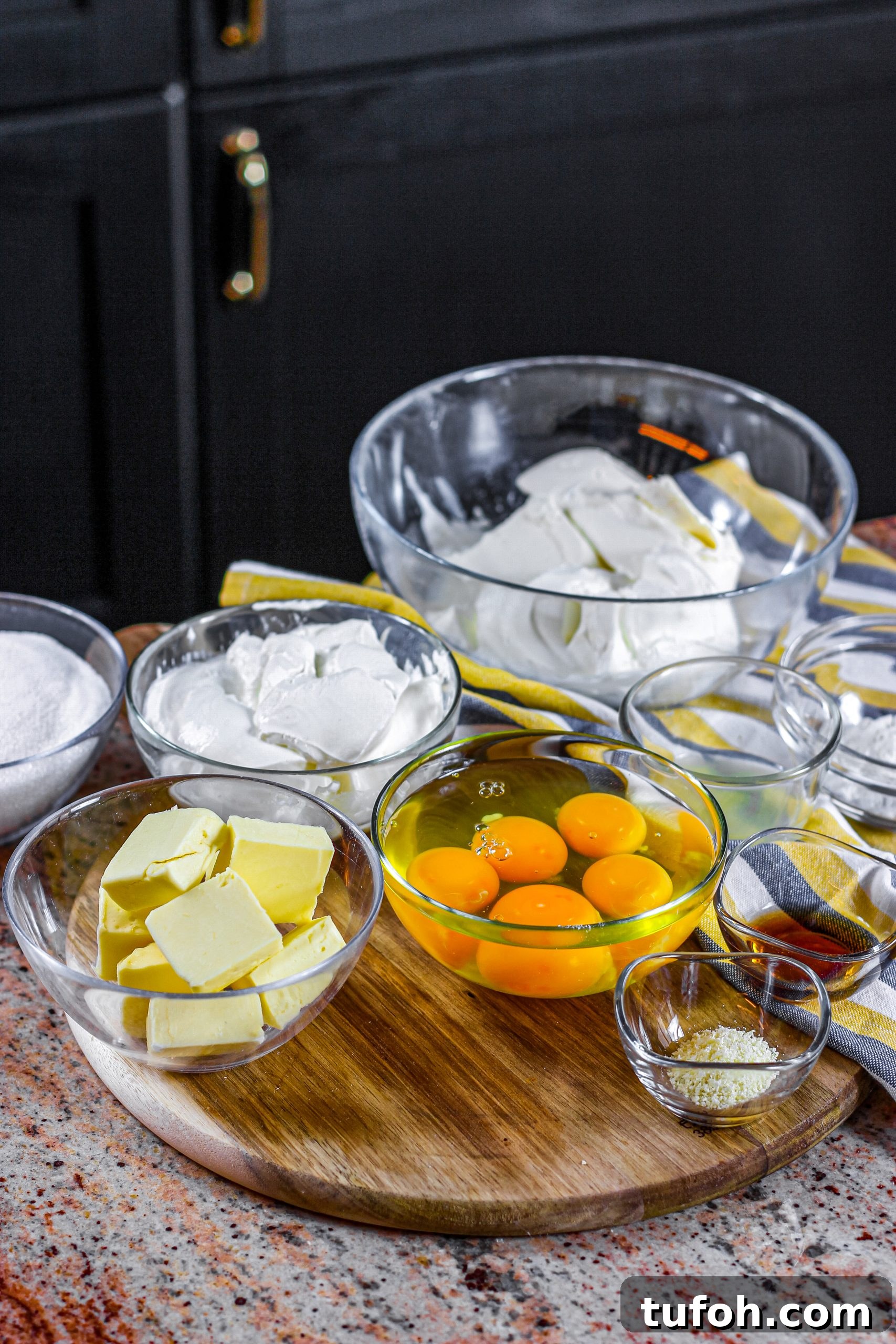
Ingredients
- 8 tbsp unsalted butter, softened
- 4 (8-oz) packages cream cheese, softened
- 5 large eggs
- 2 cups sour cream
- 1 2/3 cups granulated sugar
- 2 tbsp cornstarch
- Juice of one small lemon (a squeeze of fresh lemon)
- 2 tsp vanilla extract
- 1 tsp lemon zest
How to Make New York Cheesecake
- Preheat your oven to 300°F (150°C).
- In a large bowl, beat the softened cream cheese and butter together until the mixture is very smooth and free of lumps.
- Add the eggs one at a time, beating gently after each addition so the batter stays smooth and well combined.
- Mix in the sour cream until combined and silky.
- Add the cornstarch, lemon juice, lemon zest, vanilla extract, and sugar. Mix just until fully incorporated—avoid overbeating to keep the texture dense and creamy.
- Beat the batter until completely smooth and homogenous.
- Grease a 9-inch springform pan thoroughly, making sure the sides and bottom are coated to allow the cheesecake to release easily.
- Pour the batter into the prepared pan and smooth the top with a spatula.
- Bake in the preheated oven for about 2 hours and 15 minutes. The center should be set but still slightly jiggly—residual heat will finish the cooking.
- Remove the cheesecake from the oven and let it cool on a wire rack for about 3 hours. Cooling gradually reduces the chance of cracks.
- Refrigerate the cheesecake for at least one hour before slicing and serving; chilling overnight improves texture and flavor.
Notes
Why no crust? Traditional New York cheesecakes are often crustless so the dense, creamy filling is front and center. A well-greased springform pan provides enough support without a crust.
Pro tips: Use full-fat cream cheese for the best texture, bring ingredients to room temperature before mixing, and avoid overbaking. For a smooth, crack-free top, cool the cake gradually and refrigerate before slicing.
THANKS FOR PINING!