
Wondering what to eat on a carnivore diet? The answer is straightforward: focus on bioavailable, nourishing animal foods. A carnivore diet excludes plant foods and centers on meat, fish, eggs, and other animal products. Which specific animal foods you choose depends on your goals, budget, and personal preferences.
Jump To:
What is a Carnivore Diet?
A strict carnivore diet—often called “pure” or “zero-carb” carnivore—consists of meat, salt, and water. It is essentially a low- or zero-fiber, very low-carbohydrate approach that prioritizes nutrient-dense, highly digestible animal foods.
The carnivore approach is a potent form of elimination diet. Many people begin with an all-meat reset to remove potential irritants, then expand their food choices over time to include eggs, dairy, or other animal foods if tolerated. Some later reintroduce selected plant foods to identify individual triggers.
There are many variations of the carnivore diet, ranging from strict meat-only plans to modified versions that include dairy, honey, or occasional plant-based condiments. Choose the version that best fits your goals, health needs, and preferences.
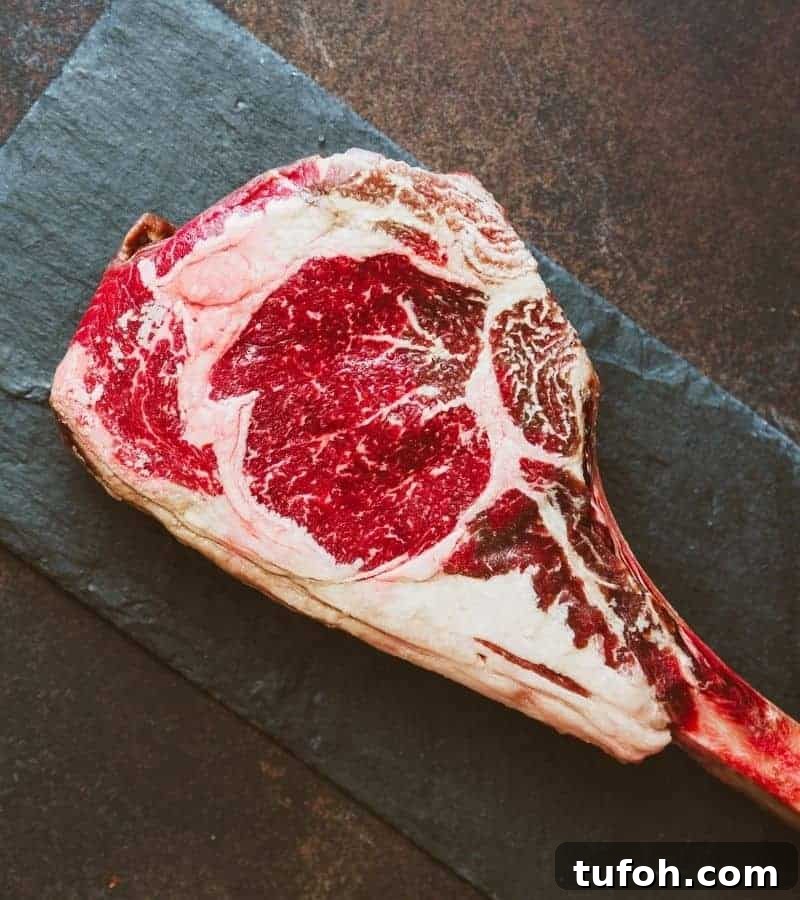
What to Eat on a Carnivore Diet
In practical terms, a carnivore diet centers on meat and animal-derived foods. The strict approach emphasizes fatty red meat and animal fat—the more fat, the better for sustained energy and satiety.
Ruminant meats (beef, lamb) are emphasized because their fat profile tends to be lower in polyunsaturated fats and higher in monounsaturated and saturated fats, which are more stable and can support metabolic health.
Common staples include:
- Ribeye steaks
- 75% ground beef
- Brisket
- T-bone steaks
- Short ribs
- Bone broth
- Lamb chops and organ meats such as liver
Salt is important—use mineral-rich salt liberally to support electrolytes. Fish, shellfish, eggs, poultry, and pork can be included as occasional proteins, but ruminant meats are often the most central foods due to their favorable fat composition.
If your meals feel repetitive, try new cuts, cooking methods, or a structured challenge to rediscover variety and enjoyment in animal-based eating.
Looking for easy carnivore recipes? A dedicated carnivore cookbook can provide simple, satisfying ideas you’ll enjoy.
Carnivore Diet Foods List
Beyond fatty red meat, a healthy carnivore approach can include:
- Fish, seafood, and roe (these are leaner; add fat as needed)
- Chicken, pork, and other poultry
- Aged and fermented meats
- Organ meats (liver, heart, kidney, brain)
- Eggs (optional)
- Dairy (optional, depending on tolerance)
Animal fats are essential: butter, suet, tallow, trimming fat, and ghee are all useful sources of energy. A nose-to-tail approach that includes organ meats improves nutrient density and affordability—liver, heart, marrow, and other offal deliver vitamins and minerals often lacking in muscle meat alone.
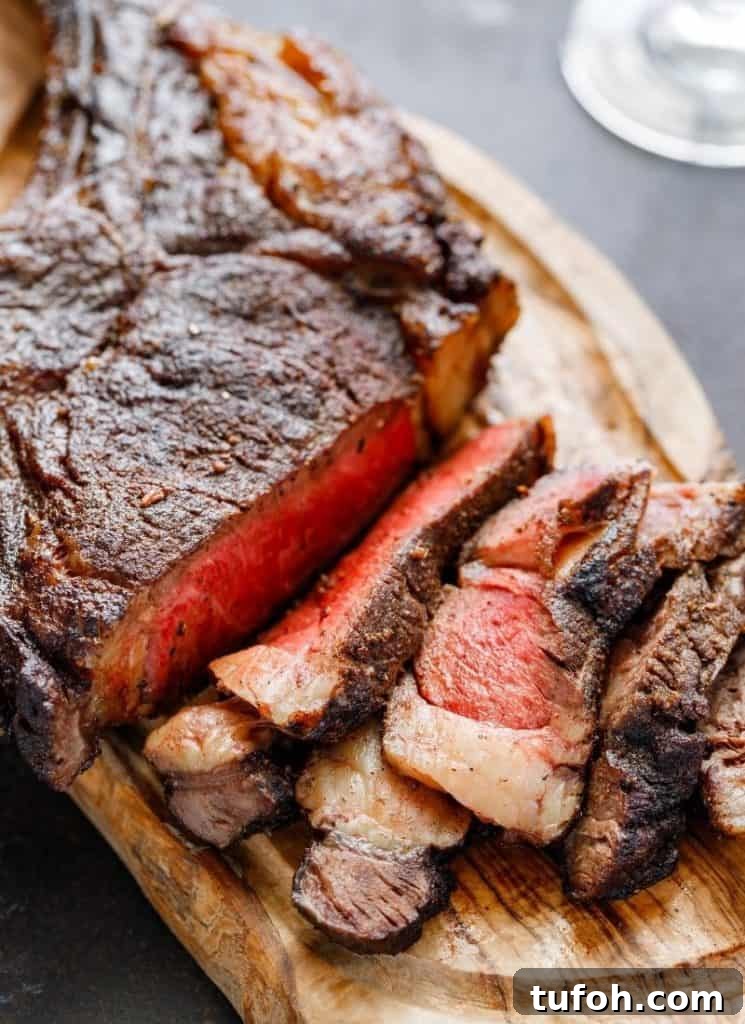
How Many Carbs Are in a Carnivore Diet?
A strict carnivore diet contains essentially zero carbohydrates. Most calories come from fat and protein. Trace amounts of carbohydrates exist in some animal tissues—liver and eggs contain very small amounts of glycogen or sugars—but these are negligible for most metabolic purposes.
If weight gain is the goal, adding calorie-dense animal carbohydrates such as full-fat raw dairy or carnivore-style desserts can help. For fat loss, keep carbohydrates minimal or eliminated.

Can you Have Milk on the Carnivore Diet?
Strict carnivore excludes milk and most dairy, though some people tolerate butter or aged cheeses. It’s common to avoid dairy during an initial strict phase, then reintroduce high-quality raw dairy later to assess tolerance.
Some individuals digest raw milk better than pasteurized milk, possibly due to live bacteria and enzymes present in raw dairy. Others find goat milk or milk from A2 cows easier to handle than conventional A1 cow’s milk. If you include dairy, aim for full-fat, high-quality sources.

Can you Eat Honey on a Carnivore Diet?
Strict carnivore does not include honey. However, honey is an animal-derived carbohydrate and can be part of a modified carnivore approach for those who choose to add carbs back in. Raw honey contains enzymes and is easily digestible for many people, so it may be appropriate in small amounts depending on your goals and tolerance.
Experimentation can be useful: try a strict all-meat phase, then selectively reintroduce items like honey or raw milk to learn what supports your health and digestion.
How to Start a Carnivore Diet
There are two common ways to begin:
- Gradually remove plant foods and reduce carbohydrates.
- Adopt an all-meat approach overnight and commit to a strict reset.
Many people find that diving in and staying strict for a few weeks speeds adaptation. During this period the body shifts toward burning fat and ketones for fuel, which can take days to weeks.
Basic guidelines to get started:
- Eat high-fat meat—the fattier, the better.
- Avoid plant foods entirely during the strict phase.
- Salt generously with mineral-rich salt.
- Drink water as needed.
- Use success stories or community support to stay motivated.
Once you’ve established a symptom-free baseline, you can explore modified carnivore options that include select condiments, fermented foods, or limited carbohydrates depending on your goals.

Is a Raw Carnivore Diet Possible?
A raw carnivore diet is possible and practiced by some, though it’s not necessary for success. Raw options include steak tartare, sashimi, raw liver, yolks, and certain cured or fermented meats. If you try raw, source high-quality, fresh meat you trust and avoid raw chicken or pork due to greater food-safety risks.
Some people report improved digestion and tolerance with rarer or raw meats; if you’re curious, transition gradually by cooking meats progressively rarer and gauge how you feel.
The carnivore approach emphasizes simplicity and personalization: remove foods that provoke symptoms, prioritize nutrient-dense animal foods, and adjust based on how your body responds.