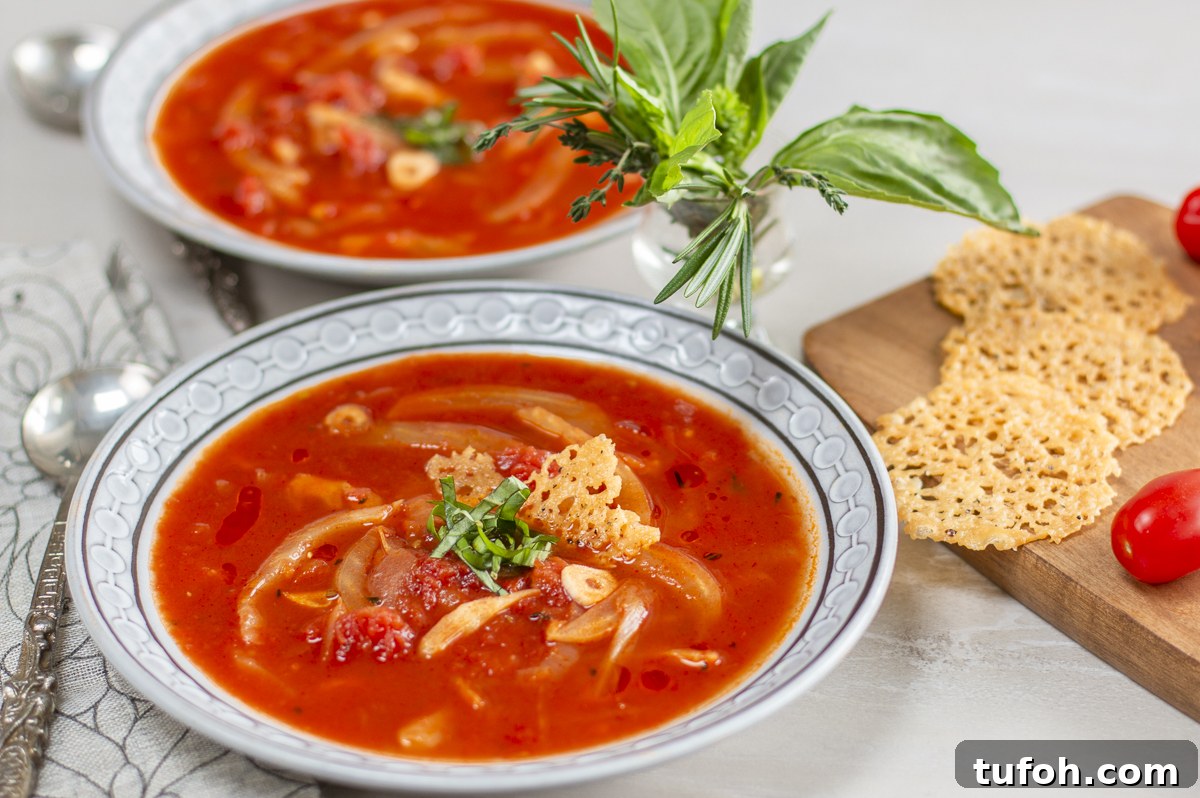
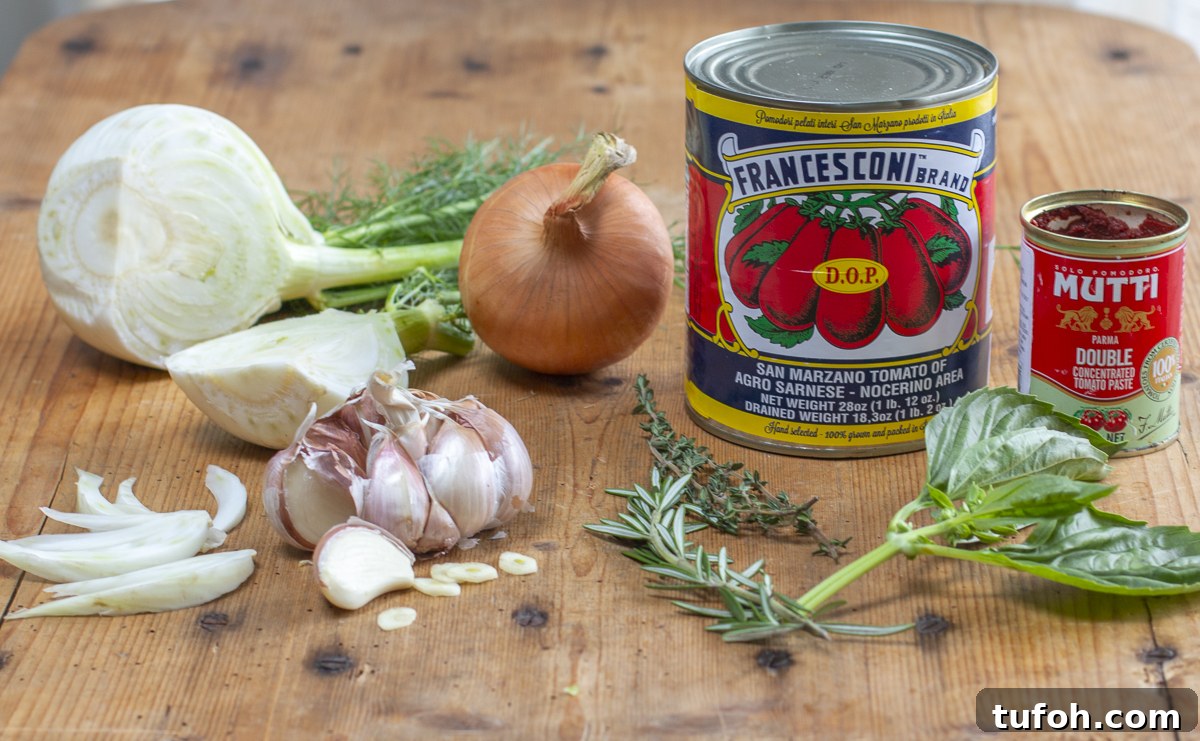
In the Mediterranean tradition, flavors here balance mellow and bold. Aromatic basil and fennel both carry hints of anise (licorice) and pair beautifully with sweet San Marzano tomatoes.
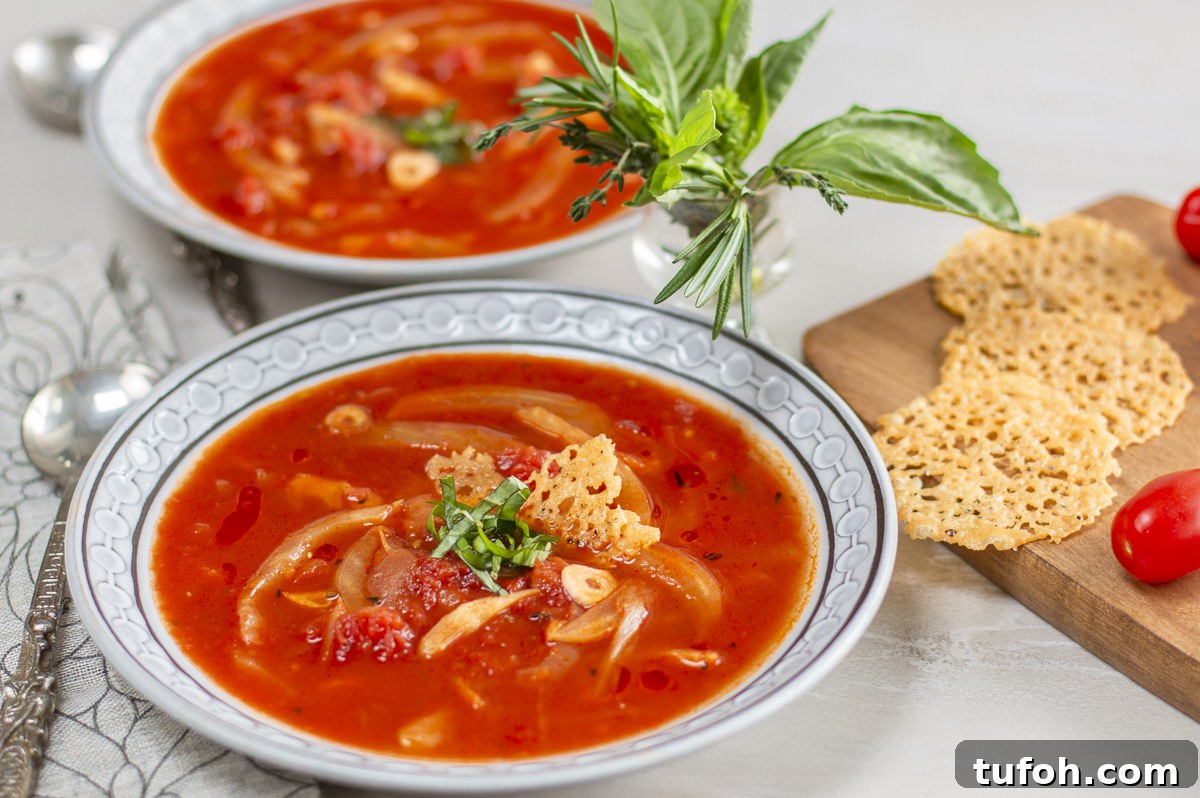
Soup making is about using the best quality ingredients and understanding the method to prepare it perfectly.
Use the freshest ingredients!
Fennel: Best from autumn through spring, but available year-round.
Tomatoes: In winter, canned Italian San Marzano tomatoes are an excellent choice. When in season, ripe plum tomatoes are ideal.
San Marzano tomatoes have thick flesh, fewer seeds, and a sweeter, less acidic flavor. They are a robust Italian variety from the Valle del Sarno.
Basil: Organic basil is widely available; in summer it’s especially abundant and flavorful.
I enjoy this soup with plenty of texture, though it also becomes wonderfully creamy when blended.
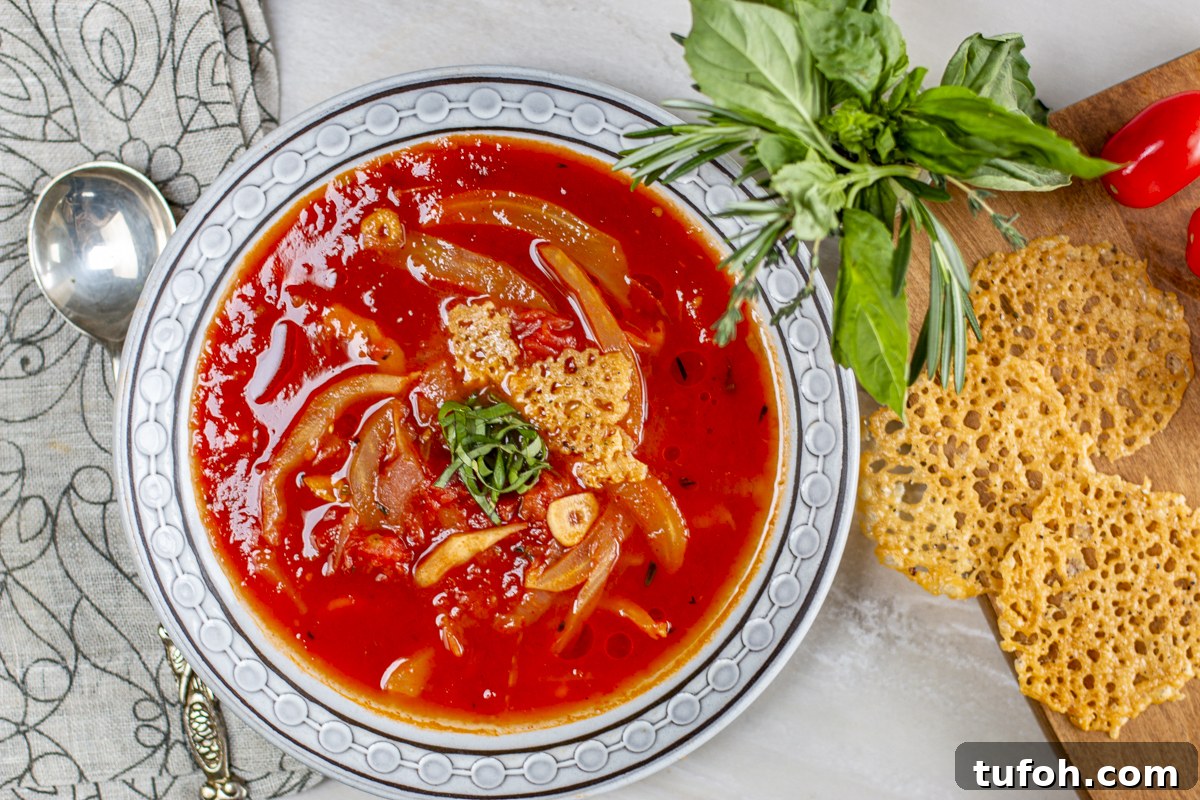
Got the ingredients? Let’s explore the method.
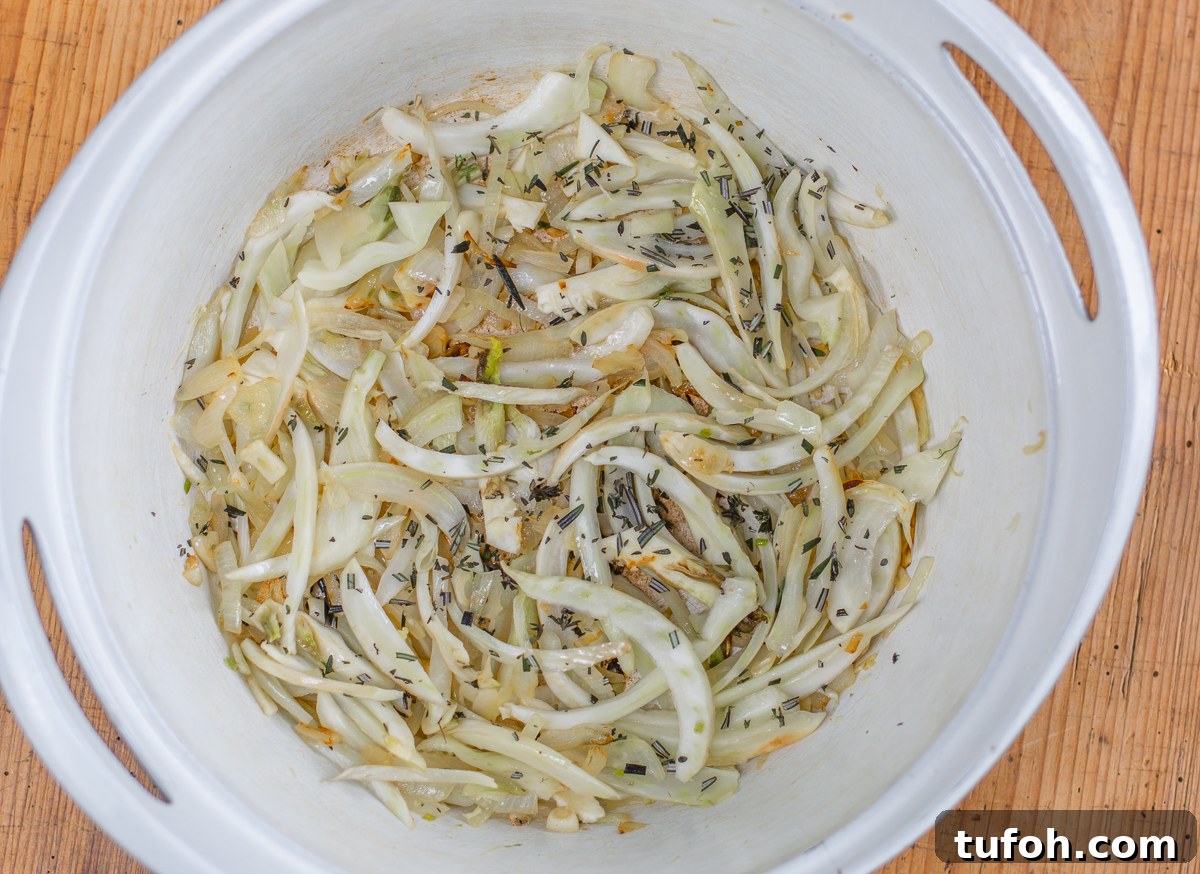
Different cooking methods change flavor and texture. Start by sautéing the vegetables—fennel, onion, and garlic—until they just begin to take on color. This softens them and encourages gentle caramelization, which adds depth.
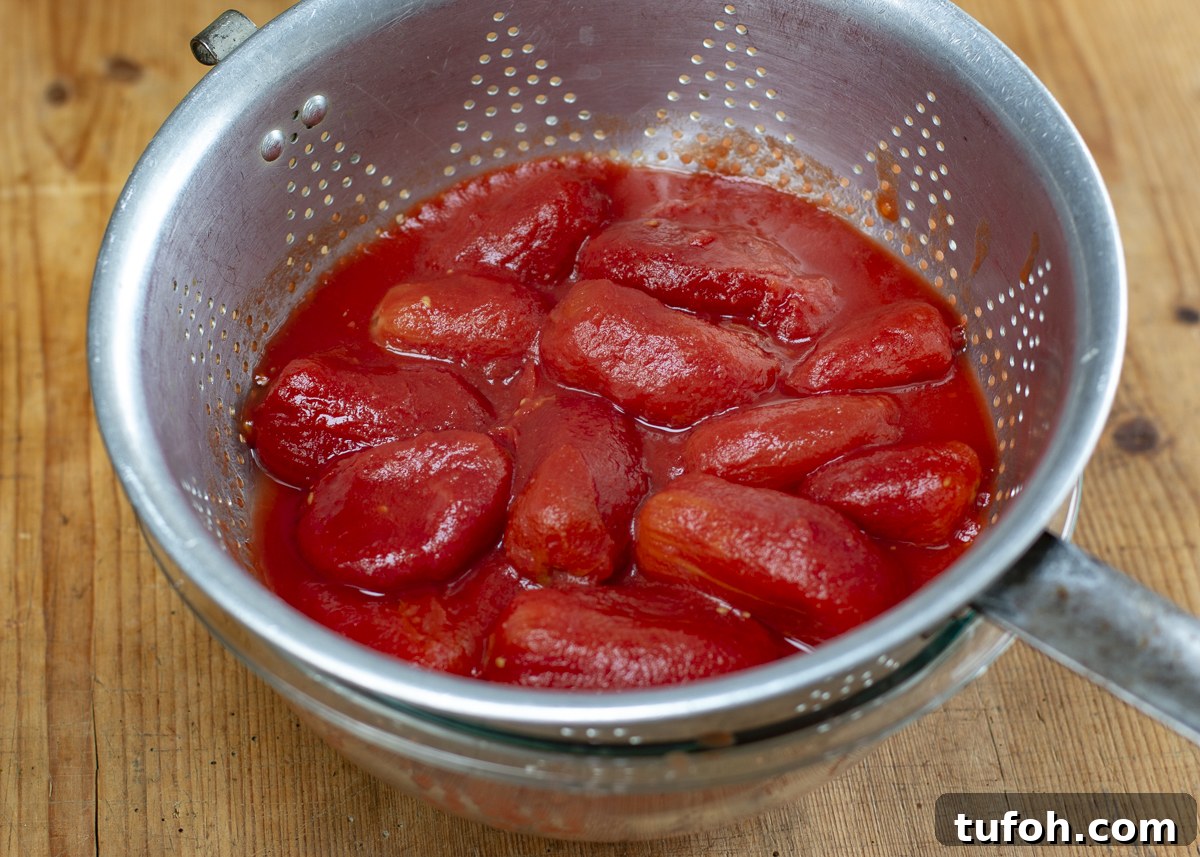
Remove the softened vegetables from the pan so the drained tomatoes can be cooked over high heat. Browning the tomatoes briefly develops a roasted, concentrated flavor.
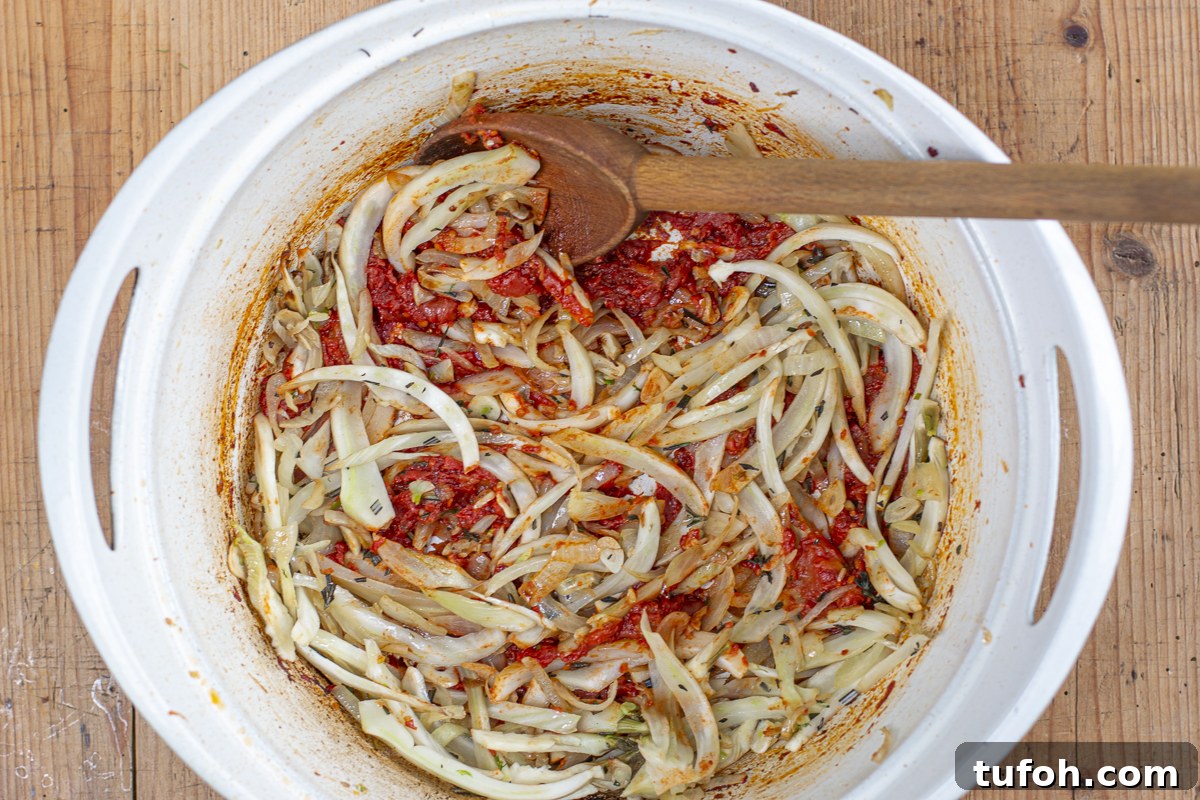
Return the pan to the stove, add the reserved tomato juices and vegetable stock, then return the sautéed vegetables. Cover and simmer gently for about 25 minutes to meld flavors.
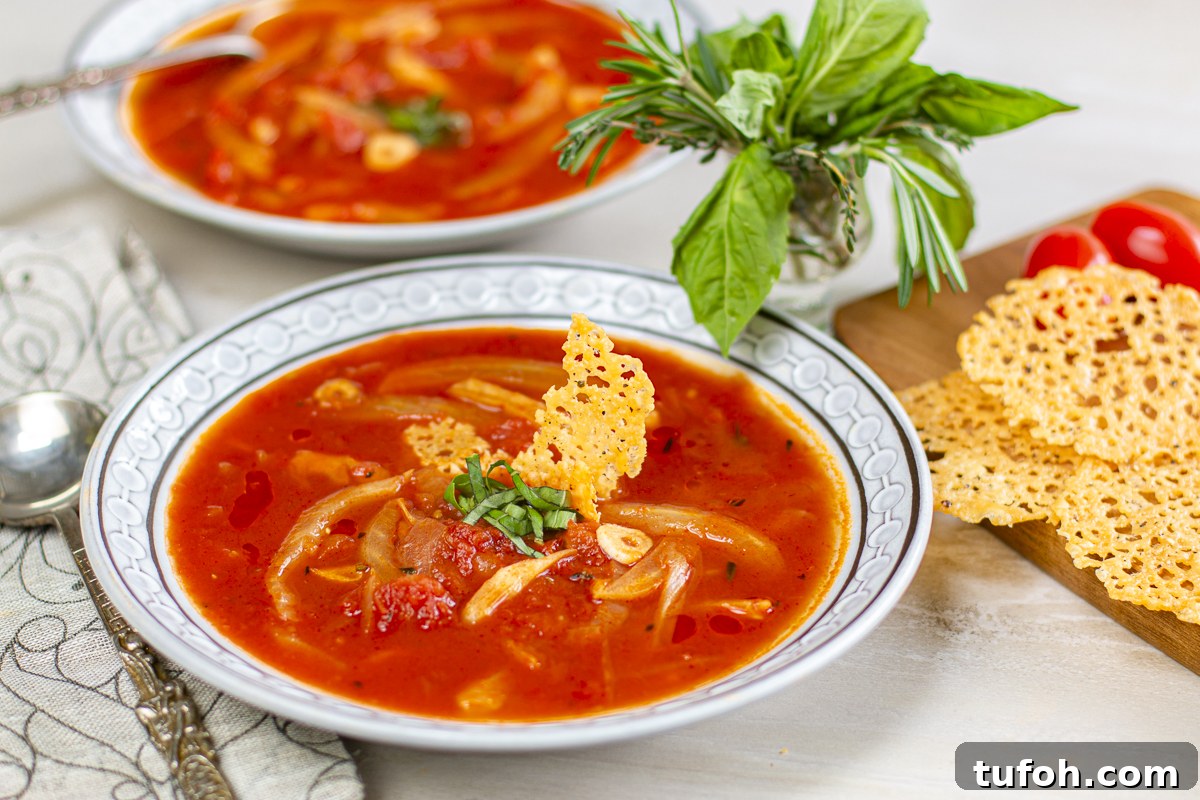
A sophisticated soup that’s actually easy to prepare.
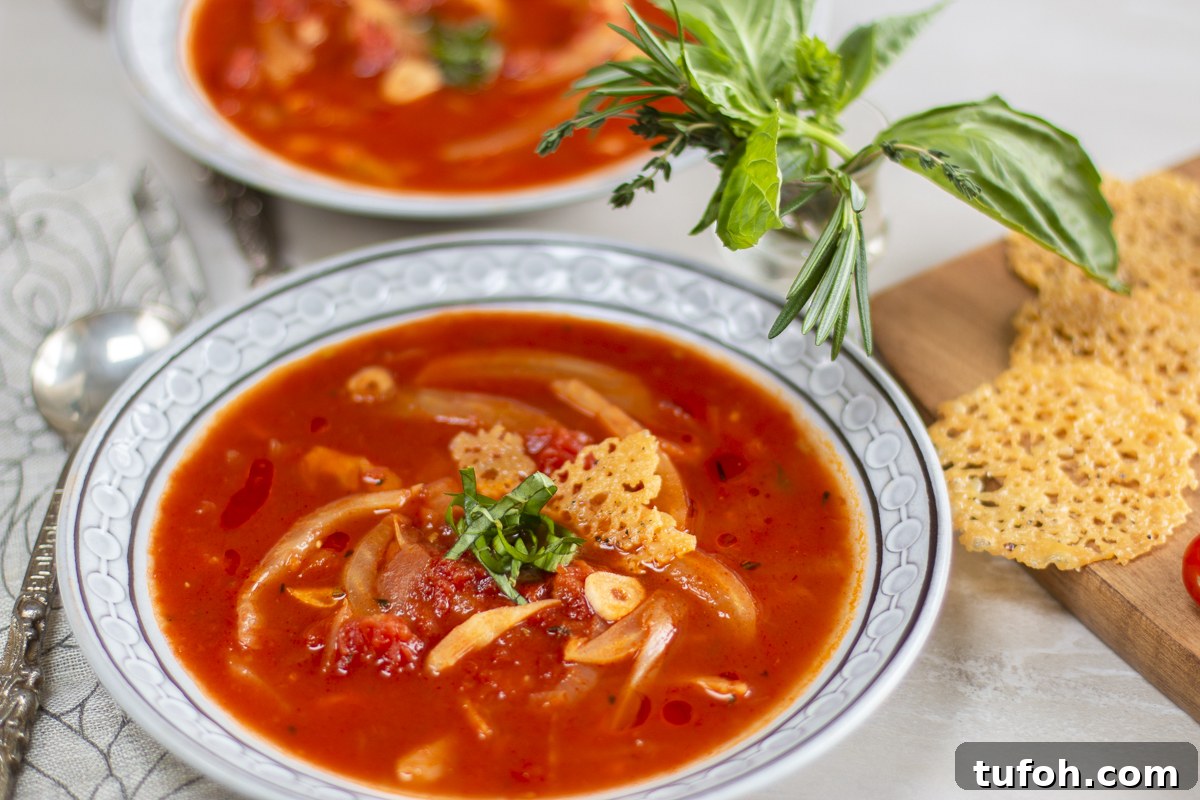
New to fennel? A few facts:
Fresh fennel is available year-round but shines in cooler months. Its bulb softens beautifully when cooked and can be eaten raw—very thinly sliced—added to salads for crunch and a mild sweet flavor.
All parts of the fennel plant are edible: bulb, stalks, and fronds. The feathery fronds make an attractive and edible garnish. Fennel and anise share a similar licorice-like flavor because both contain anethole in their essential oils, though anise is typically grown and used mainly for its seeds while fennel offers an edible bulb and foliage.
Fennel is versatile: braise, grill, fry, stew, or serve raw. Shaved fennel adds brightness to salads paired with its green fronds.
Nutrition and health benefits
Fennel is nutrient-dense. The bulb supplies energy, dietary fiber, potassium, calcium, phosphorus, and small amounts of iron, magnesium, zinc, niacin, and vitamin K. It also contains B vitamins, vitamin A precursors like beta-carotene, and beneficial flavonoids. Fennel seeds are traditionally used to ease indigestion and fennel oil has been associated with reducing inflammation. Herbal preparations that include fennel can help soothe digestive discomfort.
Enjoy this delicious soup and savor the balance of sweet tomato, aromatic basil, and the subtle anise notes of fennel.
Enjoy this wonderful soup,
Karen