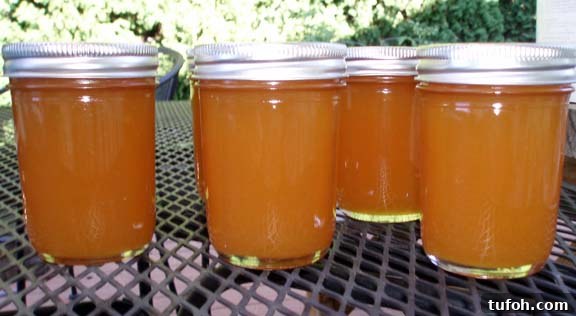
Canning homemade jams, jellies, and preserves is a rewarding project. Turning ripe berries, fragrant peaches, or sun-warmed apricots into a delicious spread feels like bottling a little bit of summer. While making jam is straightforward, beginners often run into practical problems that aren’t always covered in recipes. Below are clear, practical answers to common questions gathered from years of home canning experience.
My jam is boiling over and making a mess. How can I prevent that?
Before you start cooking the fruit and sugar, rub a little butter or margarine around the rim of your saucepot. A thin film of fat helps prevent the jam from foaming over. Also use a pot that is large enough to give the mixture plenty of room to bubble without spilling.
How do I reduce foam when cooking jam?
Frequent stirring minimizes foam, although it can be tiring. Adding a teaspoon of butter to the cooking jam will reduce foam as well. After removing the jam from heat, stir vigorously to collapse foam or skim it off the surface before ladling into jars.
My mother used paraffin to seal jam jars. Can I do that instead of water-bath processing?
Paraffin sealing used to be common, but it’s no longer recommended. Water-bath processing is safer and extends shelf life by ensuring a proper seal and reducing the chance of mold. It’s also less messy and safer than handling hot paraffin.
Even with butter on the pot rim, my jam still spits and splatters. Any tips?
Using a larger pot or a Dutch oven for a typical batch will greatly reduce splattering. Overcrowding a small pot makes spitting and sticky splashes much more likely, so choose cookware with generous capacity.
Can I reduce the sugar in jam recipes?
It depends. Traditional recipes rely on a specific sugar ratio to set properly and to preserve the jam safely at room temperature. Reducing sugar in those recipes can produce runny jam or a product that won’t keep. However, jams made with added pectin often have “low-sugar” pectin varieties formulated to gel with less sugar—follow the pectin package directions. Freezer jams are also an option when you want lower sugar and plan to store the jars in the freezer.
Can I use honey or maple syrup instead of sugar?
You can substitute up to half of the sugar with an equal amount of honey or maple syrup, but expect a change in flavor. Maple syrup pairs nicely with apple or cranberry spreads, while honey adds a mellow sweetness to peaches. Adjust to taste and proceed with the recipe as usual.
It’s too hot to can now. Can I freeze fresh fruit and make jam later?
Yes. Freezing fruit preserves its flavor and texture well for jam making. Berries, cherries, and peaches freeze especially well. When you’re ready to make jam, measure the frozen fruit (no need to thaw) and follow your recipe.
Why do some recipes call for lemon juice?
Lemon juice increases acidity, which helps jams made without commercial pectin to gel properly. Fruit with low natural acid—peaches, for example—usually benefits from added lemon (or lime) juice. Lemon can also help slow browning in some fruits.
Can I double or triple a jam recipe to save time?
It’s best to stick to small batches. Home cookware and stovetops aren’t designed for large, commercial-style batches, and scaling up often leads to uneven cooking, scorching, or overcooking. Make several small batches instead for consistent results.
How do I know when an old-fashioned jam is set without overcooking?
There are a few reliable tests. Drop a small spoonful of hot jam onto a chilled glass plate and refrigerate it for a minute—when it firms to your preferred consistency, the batch is done. Or place the plate in the freezer first, drop the jam onto it, and draw a spoon through; if the line stays separated, the jam is set. You can also use temperature: jam typically gels when it reaches about 8–9°F (4–5°C) above the boiling point of water. Because boiling temperature varies with altitude and pressure, measure today’s boiling point of water first if you choose this method to avoid overcooking.
For more canning tips and additional recipes, consider subscribing to newsletters or guides from trusted canning resources to deepen your knowledge and build confidence.
Disclaimer: This content was updated from an earlier post to address recurring questions and provide practical, up-to-date guidance for home canners.