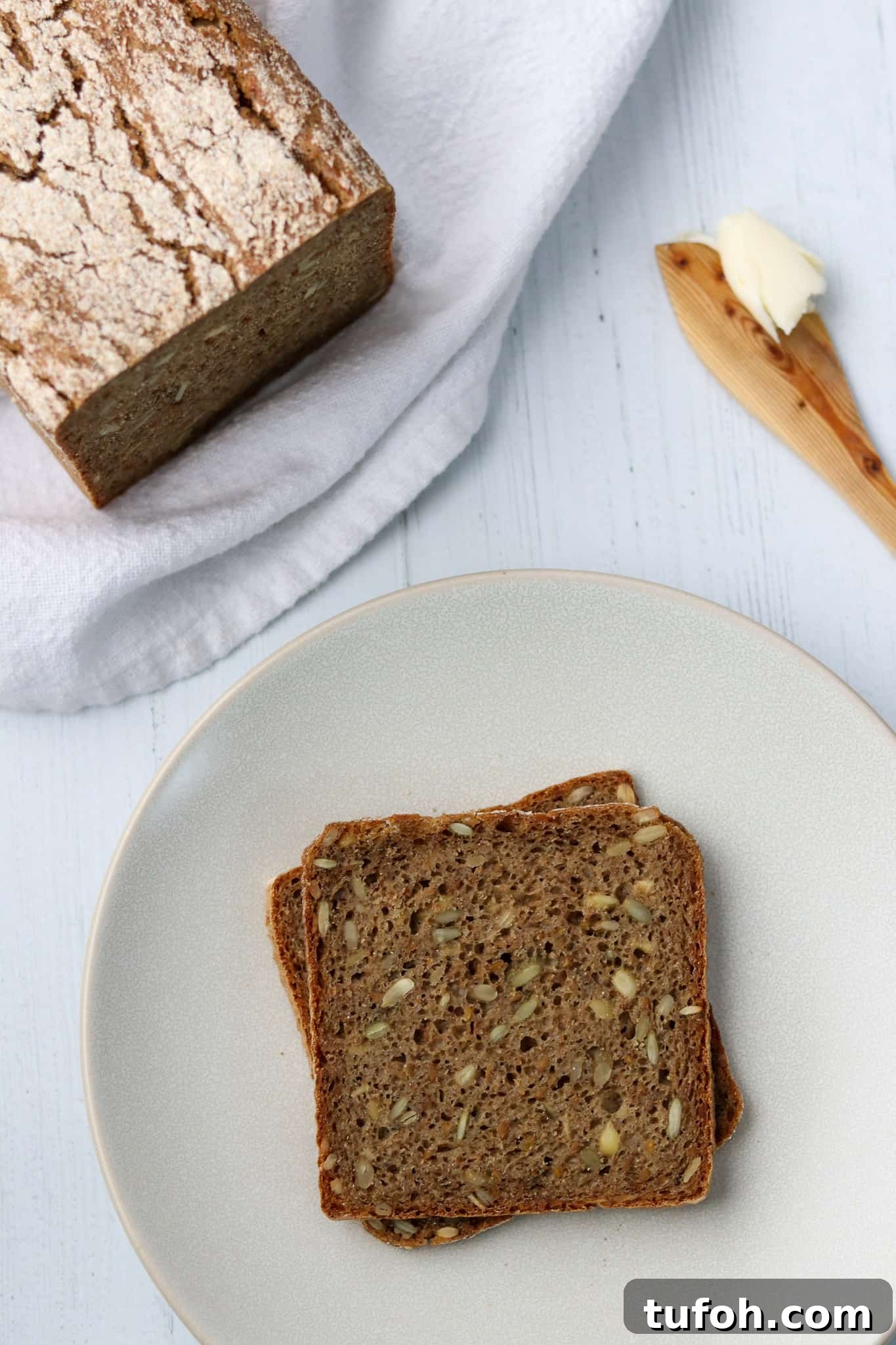
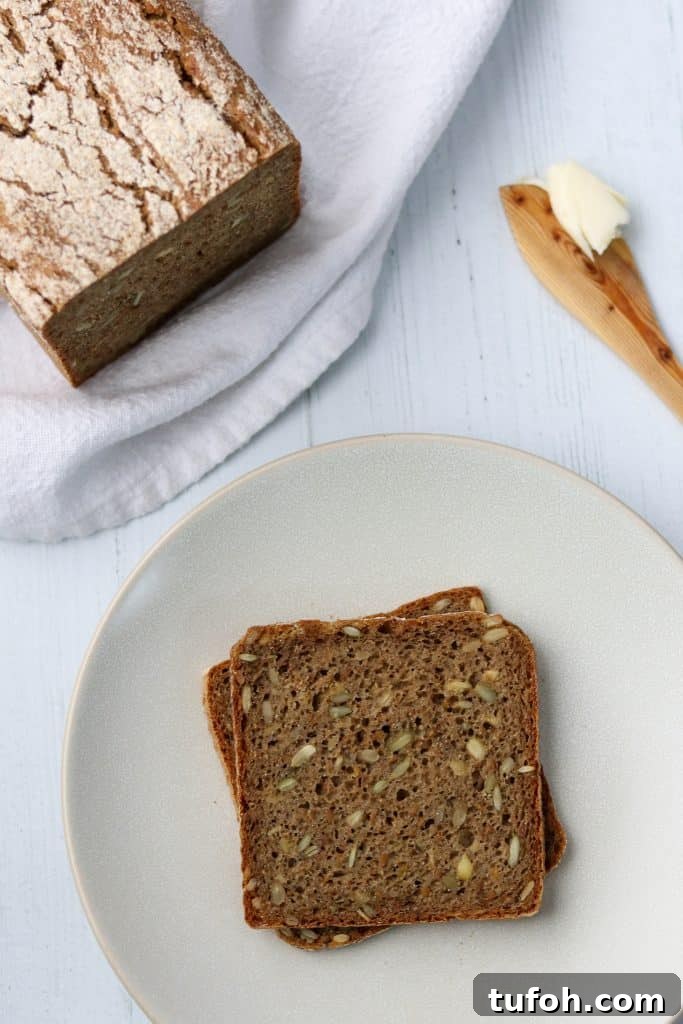
Do you have a sourdough starter bubbling on your countertop? If so, this sourdough rugbrød recipe is for you. Rugbrød is the traditional Danish rye bread used for smørrebrød, and this version uses wild yeast to create a deeply flavored, slightly tangy loaf that keeps longer than breads made with commercial yeast. The sourdough process yields a distinct texture and flavor you won’t get any other way—so let’s cover what rugbrød is and how to make it.
WHAT IS RUGBRØD?
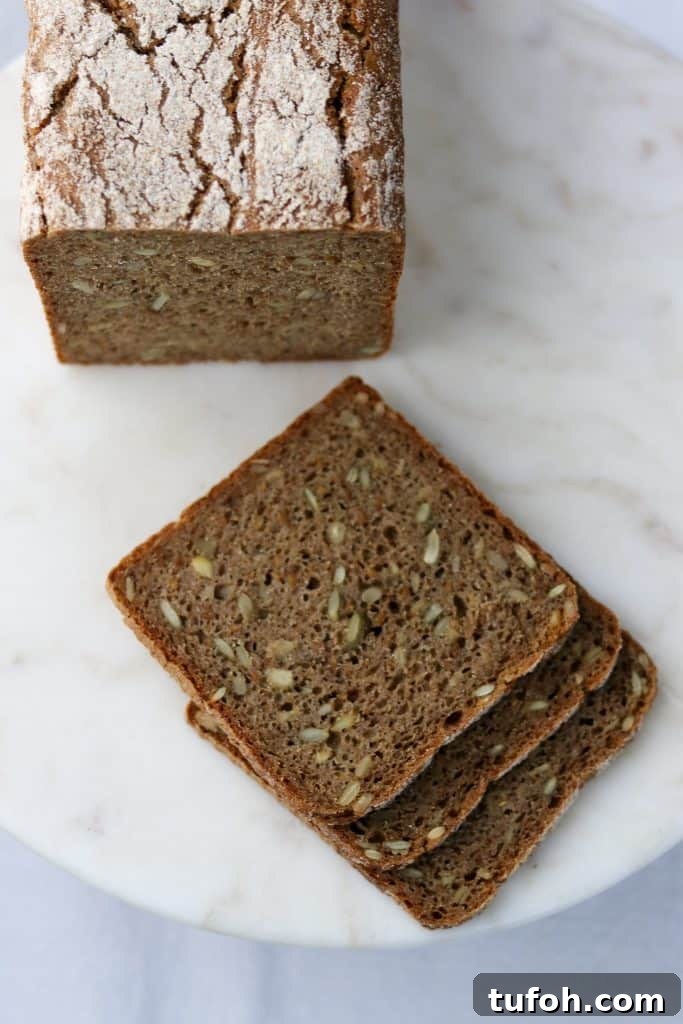
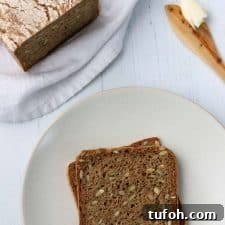
Rugbrød literally means “rye bread” in Danish. It’s a sturdy, dense loaf made from rye flour and often including chopped rye grains, sunflower seeds, pumpkin seeds, and flax. Traditionally it’s baked in a 13 x 4 inch Pullman pan with a lid so the loaf holds a characteristic rectangular shape.
Unlike many American-style rye breads that include darkeners and strong flavorings such as molasses, stout, cocoa, or espresso, authentic rugbrød is intentionally simple—sometimes just a touch of molasses for balance. Its restrained flavor makes it an ideal neutral base for a wide variety of open-faced sandwiches. When served, rugbrød is usually sliced thin (just under 1/4 inch) and generously spread with salted butter. Danes call this indulgent spread tandsmør, or “tooth butter,” meaning you can see your teeth marks when you bite into it.

WHAT MAKES RYE SO SPECIAL?
Rye differs from wheat in several important ways that affect how it behaves in bread:
- Hardy grain for northern climates. Rye tolerates poor soils and cool, wet weather better than many grains, making it a staple in Nordic baking for centuries.
- Lower gluten content. Rye flour doesn’t form gluten networks like wheat does, so rye loaves are denser with a tighter crumb.
- Higher water absorption and active enzymes. Rye holds more water and contains enzymes that convert starch to sugars during fermentation. If not managed properly, these enzymes can yield an overly moist or gummy crumb.
- Sourdough helps stabilize rye dough. Acids from a mature sourdough starter moderate the enzymes in rye flour and improve texture and flavor, which is why sourdough is especially well-suited for rugbrød.
- Rye improves with a bit of age. Unlike many wheat breads best eaten immediately, rugbrød’s texture and flavor benefit from resting 24–36 hours before slicing.
- Historical caution: ergot. A fungus called ergot once affected rye and could be toxic. Modern grain processing removes contaminated kernels, so ergot is no longer a common risk.
THE SOURDOUGH PROCESS
Making sourdough rugbrød follows a straightforward timeline over two days. Below is a concise overview of the method and tips for success.
Weigh Ingredients by Weight
This recipe is written in grams for accuracy. Use a kitchen scale, tare your bowl between additions, and you’ll find weighing simpler and more consistent than measuring with cups.
The Day Before: Refresh Your Starter
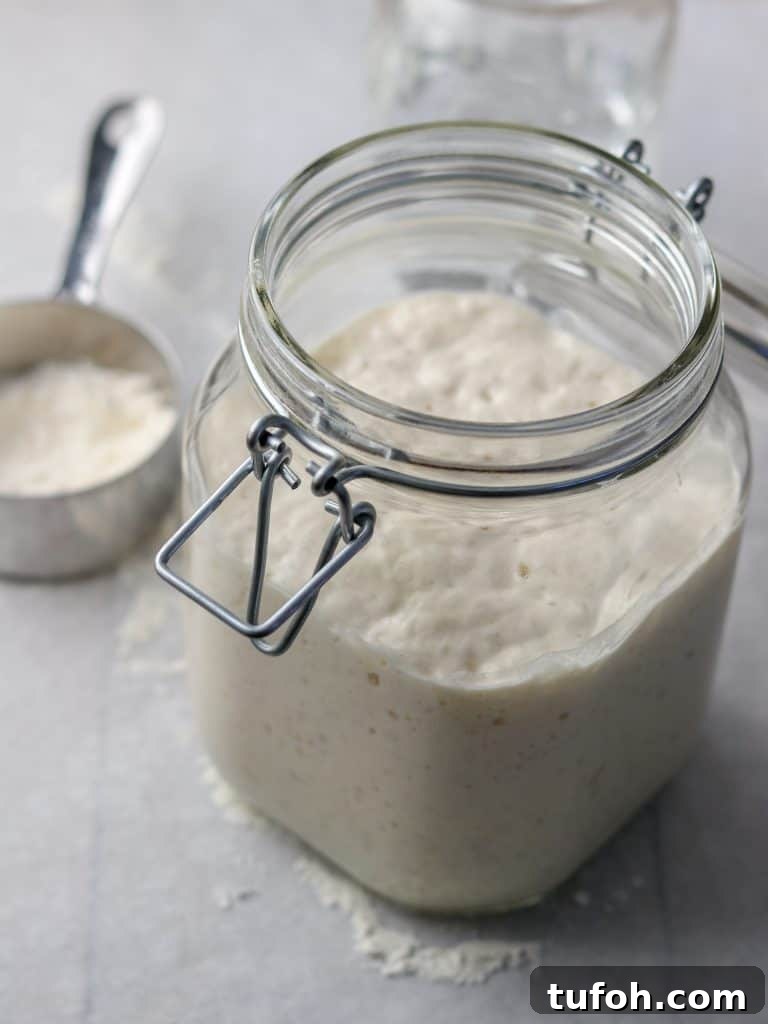
Use a ripe, refreshed starter for the best results. Feed your starter about eight hours before you plan to use it so it’s bubbly, active, and airy when you mix the levain.
The Night Before: Make a Levain
A levain is a preferment built from starter, flour, and water that ferments overnight to develop flavor and leavening power. This recipe uses a levain to strengthen the dough’s fermentation and complexity.
The Night Before: Make a Soaker
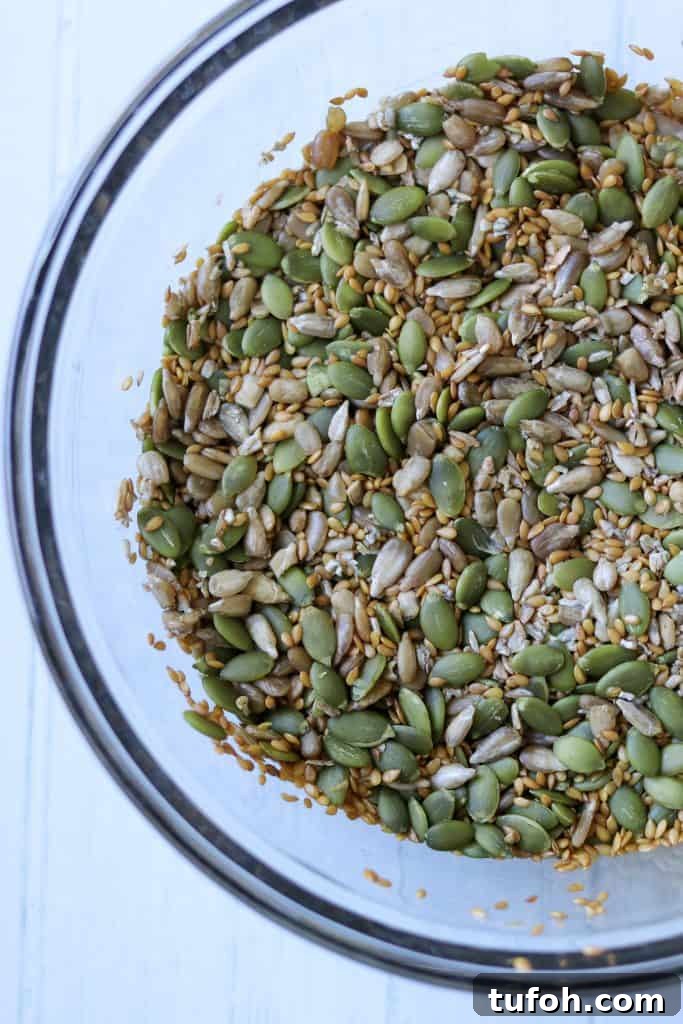
The soaker softens rye chops (or a whole-grain hot cereal) and seeds by letting them rest in water overnight. Keep the soaking liquid—do not drain it—so those flavorful, hydrated bits become part of the final dough.
The Next Morning: Build the Final Dough
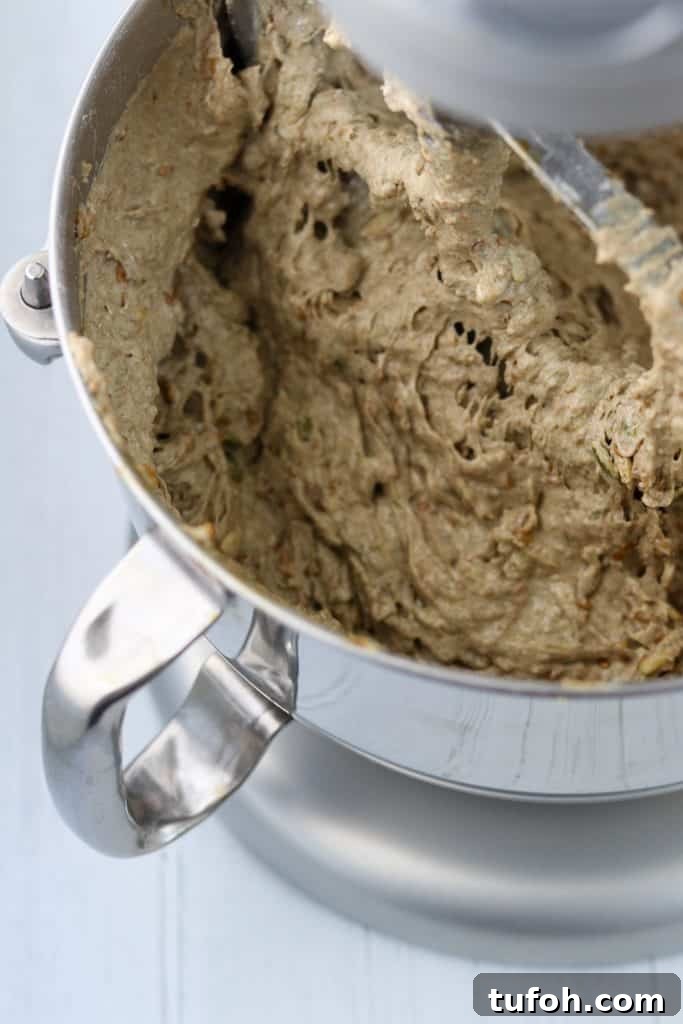
Combine the levain, soaker (with its liquid), remaining flours, water, salt, and molasses in the bowl of a heavy-duty stand mixer. Use the paddle attachment: mix on low for several minutes, then medium until the ingredients are fully combined. Rye dough is sticky and dense; no hand-kneading is necessary.
The Rise
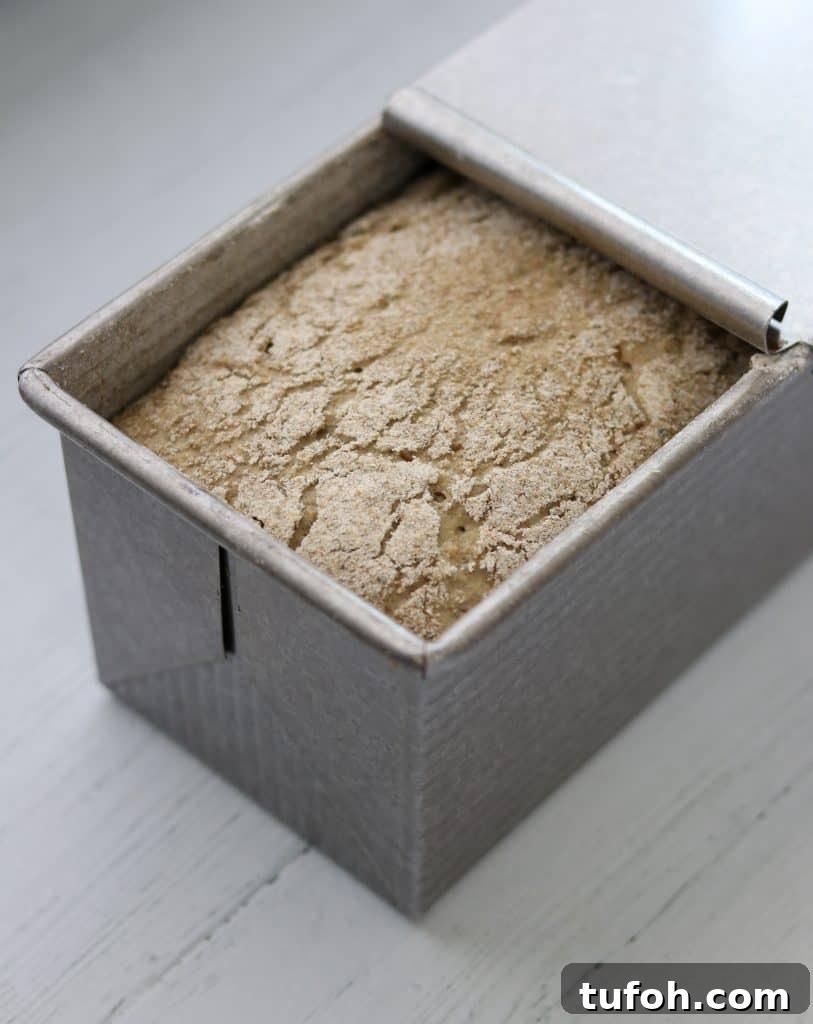
Grease and dust a 13 x 4 inch Pullman pan with rye flour. Transfer the mixed dough into the pan, smooth the top (a damp spatula helps), dust it with rye flour, and cover with the pan lid. Allow the dough to rise until it comes within 1/2 inch of the top—this can take 1½ to 4 hours depending on your kitchen temperature. Place the pan in a warmer spot if you want to speed fermentation.
The Bake
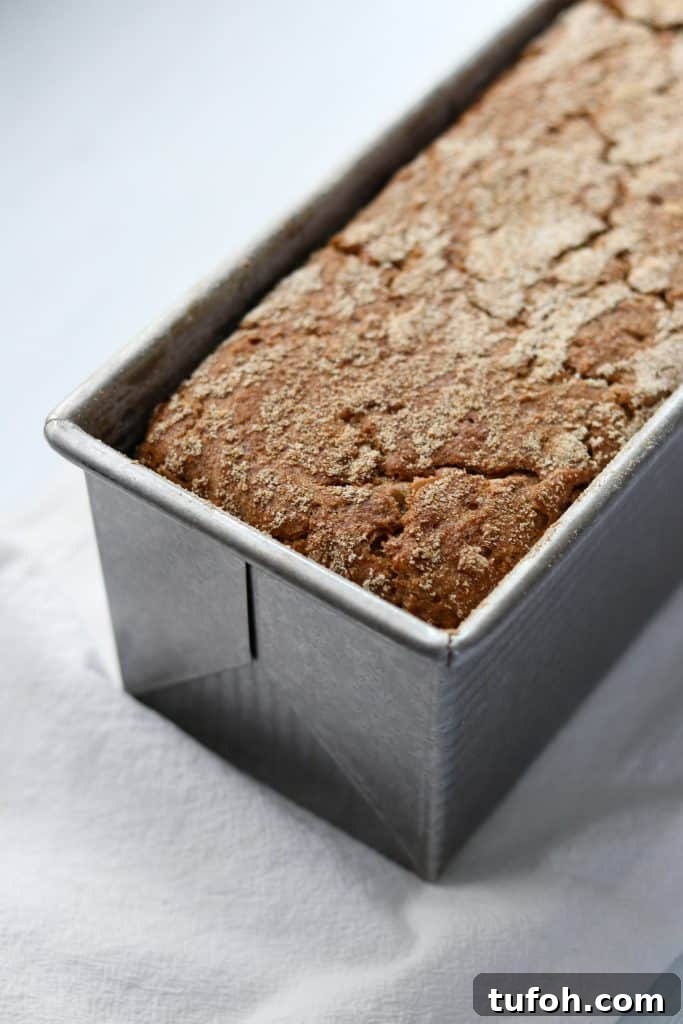
This recipe uses staged oven temperatures to limit the time the loaf spends in the enzyme-friendly temperature range that can lead to a gummy crumb. Start at a high temperature with the pan covered, then lower the heat in steps while removing the lid for the final stage so the loaf finishes cooking evenly. When done, remove the bread from the pan and cool fully on a rack.
Rugbrød benefits from resting: if you can, wait until the next day to slice. Wrapped loosely, the loaf keeps 4–5 days at room temperature; for longer storage wrap tightly and freeze. Use this dense, flavorful rye as the base for traditional smørrebrød or simply enjoy thick buttered slices.
Recipe
Sourdough Danish Rye Bread (Rugbrød)
An authentic sourdough rugbrød recipe perfect for Nordic open sandwiches (smørrebrød).
Ingredients
Special Equipment Needed:
- Kitchen scale
- Heavy duty stand mixer
- Pullman loaf pan with lid (13 x 4 inches)
For the Night Before – Levain:
- 300 grams dark rye flour
- 100 grams bread flour
- 350 grams water
- 70 grams ripe sourdough starter
For the Night Before – Soaker:
- 75 grams rye chops or 7-grain hot cereal
- 1 cup raw sunflower seeds (approx. 131 grams)
- 1 cup raw pumpkin seeds (approx. 142 grams)
- ½ cup flax seeds (approx. 65 grams)
- 285 grams water
For the Day of Baking:
- All of the levain
- All of the soaker (do not drain)
- 200 grams dark rye flour
- 130 grams bread flour
- 180 grams water
- 18 grams salt
- 2 tablespoons molasses
Instructions
- The night before, mix the levain ingredients in a medium bowl until combined (it will be thick). Cover and let sit at room temperature about 12 hours. In a separate bowl, combine the soaker ingredients, cover, and let sit at room temperature about 12 hours.
- The next morning, grease and dust a 13 x 4 inch Pullman loaf pan with rye flour and set aside.
- Combine the levain and soaker (with their liquids) in the mixer bowl. Add the remaining dough ingredients. Using the paddle attachment, mix on low for 3–4 minutes, scraping the bowl down occasionally. Increase to medium and mix another 4 minutes, scraping as needed.
- Transfer the dough to the prepared pan, smooth the top with a spatula (dampen slightly if needed), and dust generously with rye flour. Put the lid on and let rise until within ½ inch of the top (1½–4 hours depending on temperature).
- Preheat the oven to 500°F (260°C). Place the covered loaf pan in the oven and bake 15 minutes. Reduce oven temperature to 400°F (200°C) and bake, covered, another 15 minutes. Remove the lid, reduce oven to 325°F (165°C), and bake uncovered for 45 minutes. Remove the loaf from the oven, tip out onto a cooling rack, and cool completely before slicing. For best texture and flavor, wait until the next day to slice. Store wrapped loosely at room temperature for 4–5 days or freeze for longer storage.
Notes
This recipe was adapted from methods that emphasize sourdough preferments and controlled baking temperatures to produce a moist, fully cooked rye loaf without gummy texture. Rye breads develop flavor and texture after resting, so patience rewards you with a better slice the next day.
Nutrition (per serving)
Calories: 382 kcal | Carbohydrates: 59 g | Protein: 13 g | Fat: 12 g | Fiber: 10 g