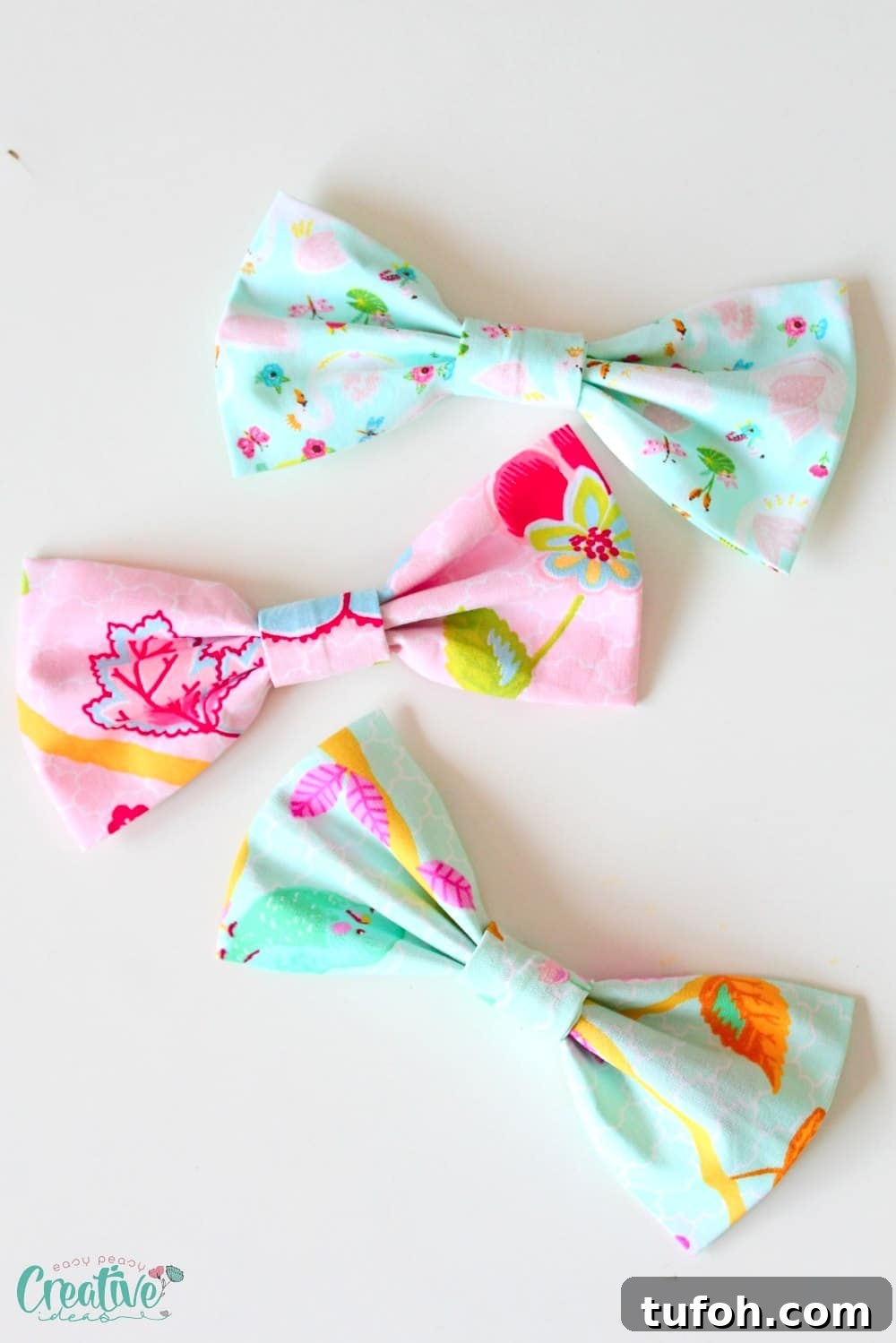
Unleash your creative side and learn how to make a fabric bow that will impress. Whether you’re embellishing gifts, clothing, or home décor, a well-made fabric bow adds a polished, personal touch.
How to make a fabric bow
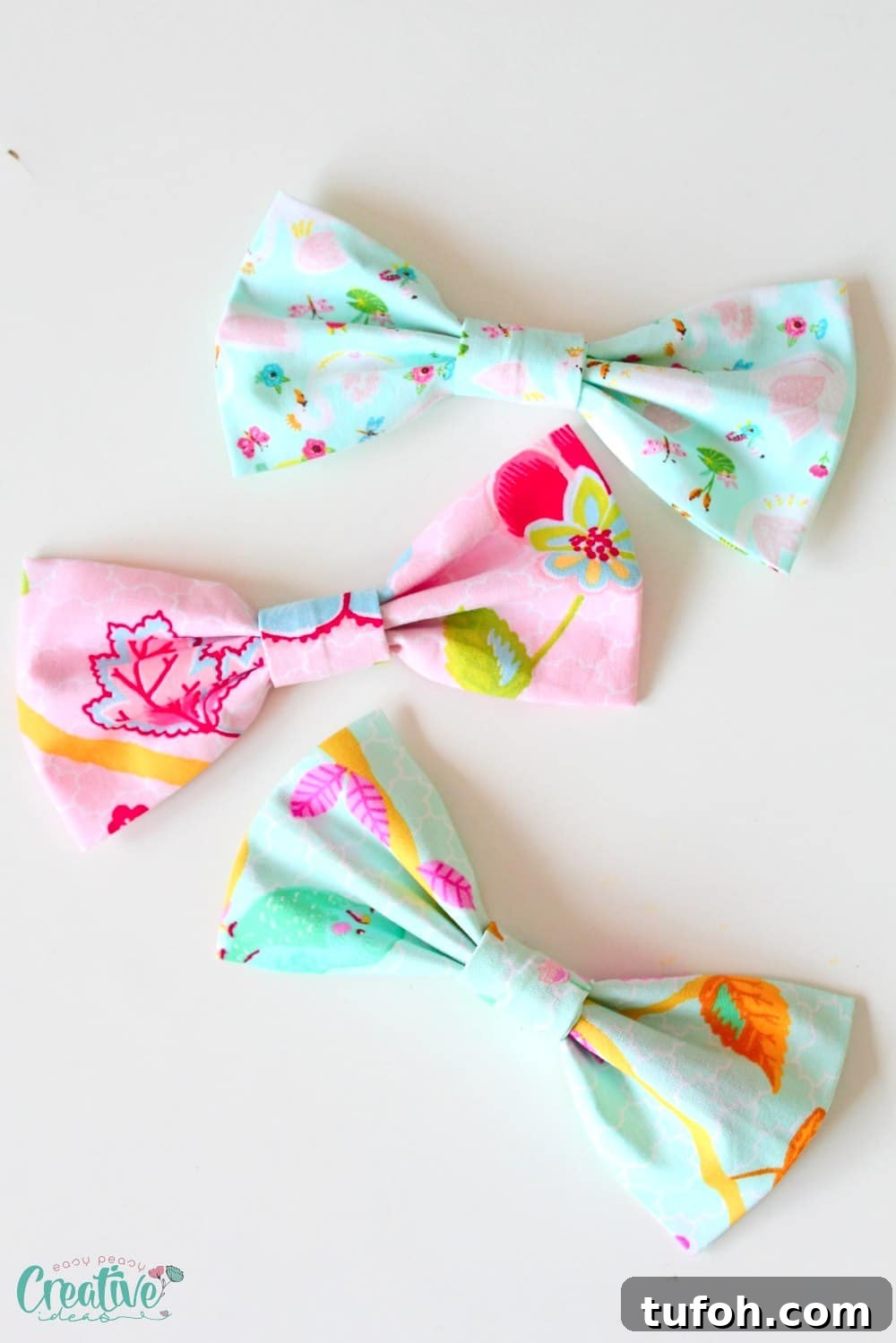
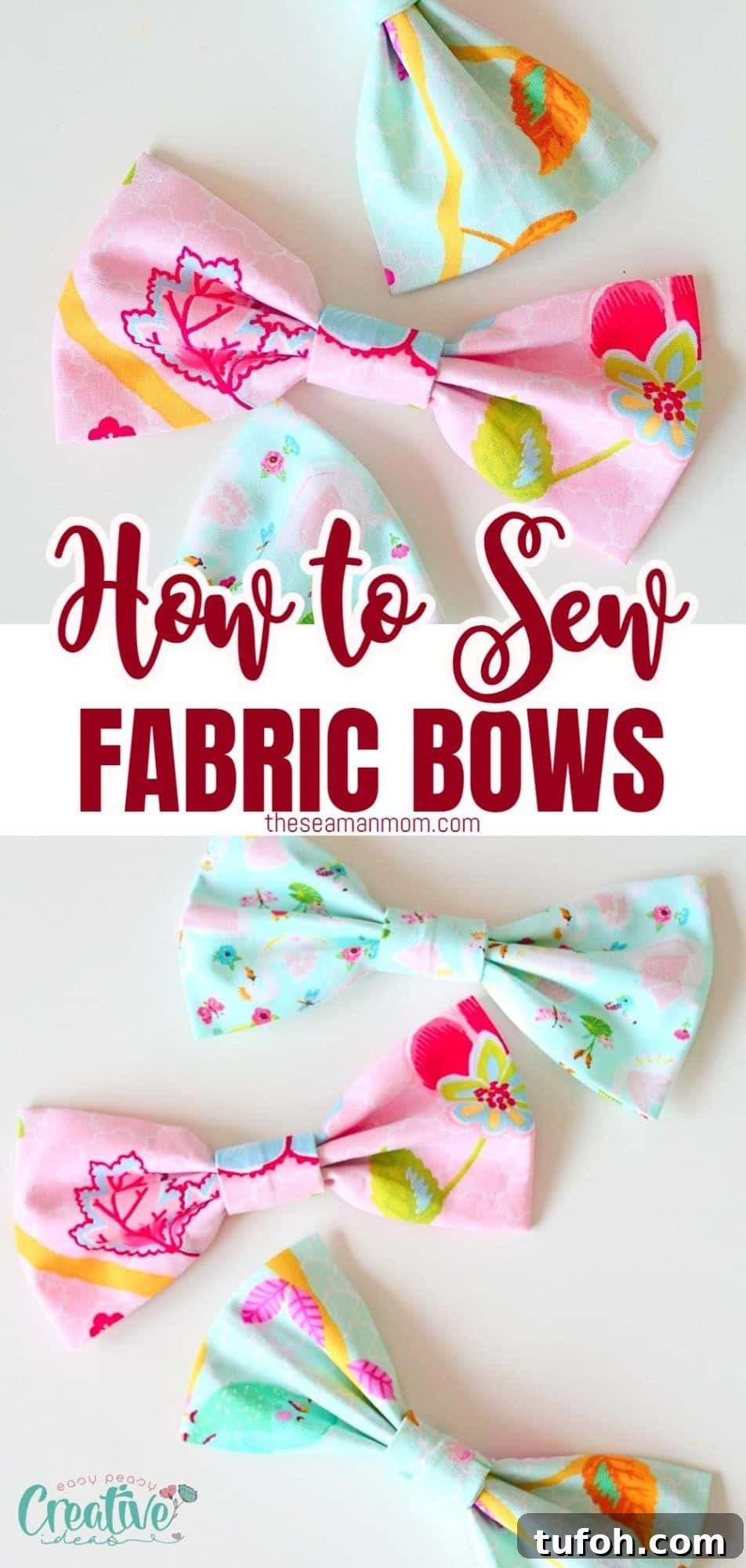
Ready to create a beautiful fabric bow in about 10 minutes? This step-by-step fabric bow tutorial covers materials, sizing, construction, and finishing details so you can make bows for hair accessories, gifts, clothing, or home décor. Gather your sewing kit and follow the clear instructions below to make a neat, long-lasting bow you’ll be proud to use or gift.
Fabric bow tutorial overview: choose a material with some body, decide on the size for your intended use, sew two simple tubes (one for the bow and a smaller one for the center tie), press and shape, then secure the center. The process is quick and adaptable to many styles and fabrics.
More quick projects you will love!
- 10 Minutes hand warmers
- Plastic bag holders
- Easy DIY cutlery holder
- 10 Minutes wine glass slippers
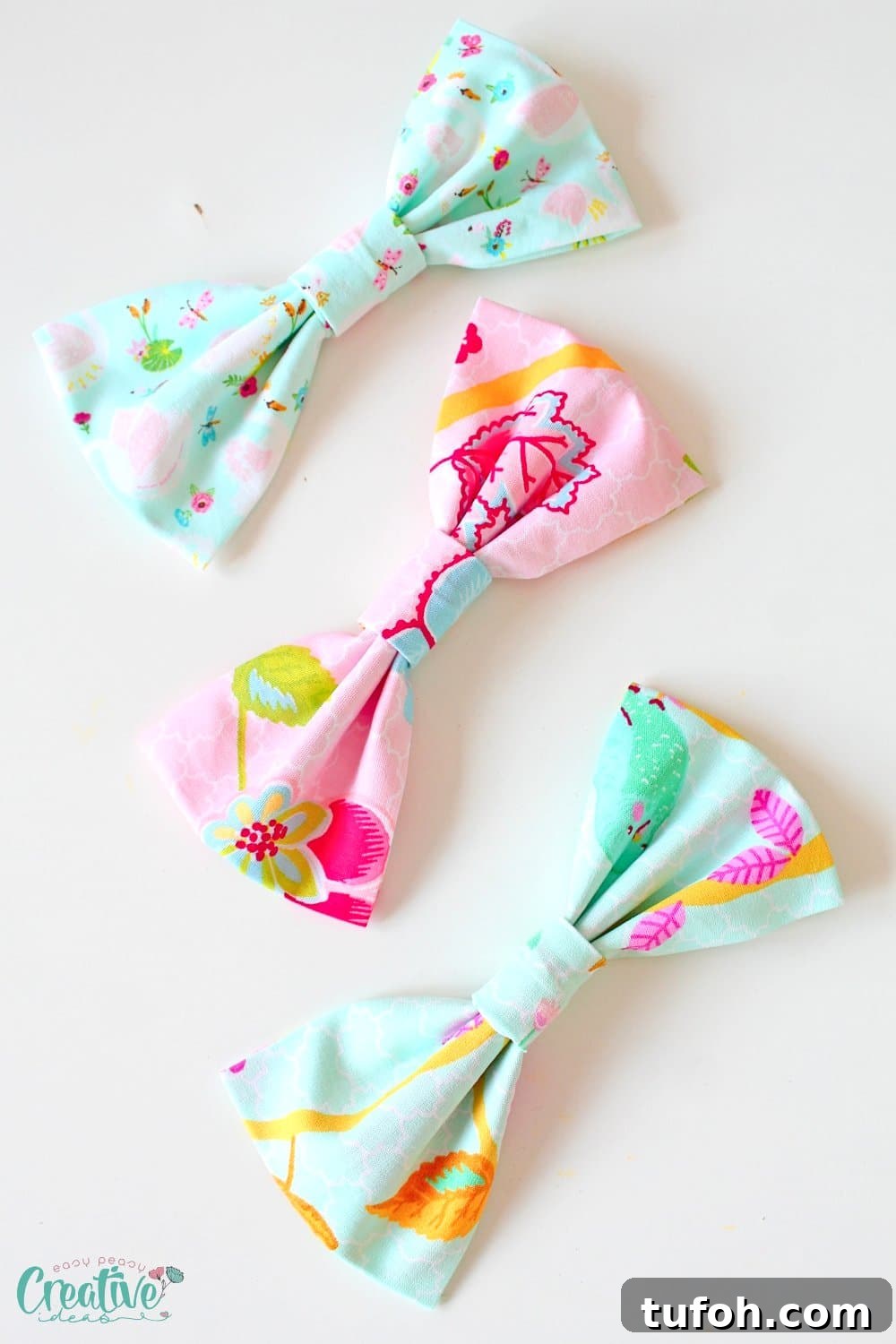
What is the best material for fabric bows?
Choosing the right fabric affects how the bow looks and holds its shape. For most projects, fabrics with a bit of structure work best: cotton and linen are easy to sew, hold a crisp shape, and come in many colors and patterns. For a dressier finish, silk or satin creates a smooth, elegant bow, while denim, gingham, or canvas suit casual or rustic styles.
Consider the bow’s purpose when selecting fabric. Lightweight, slippery fabrics may need interfacing or lining to add body. Stiffer fabrics require less support and produce fuller bows. Test a small sample before cutting the main piece to make sure the drape and firmness match your design.
What size fabric for hair bows?
Size determines the visual impact of the bow. Smaller rectangles create subtle bows ideal for infants or delicate hair accessories. Larger rectangles produce statement bows suitable for older children and adults or for decorating bags and home items. A common starting size for a standard hair bow is a rectangle around 12″ x 6″ for the main bow and a 4″ x 2½” piece for the center tie; adjust these dimensions to get the scale you want.
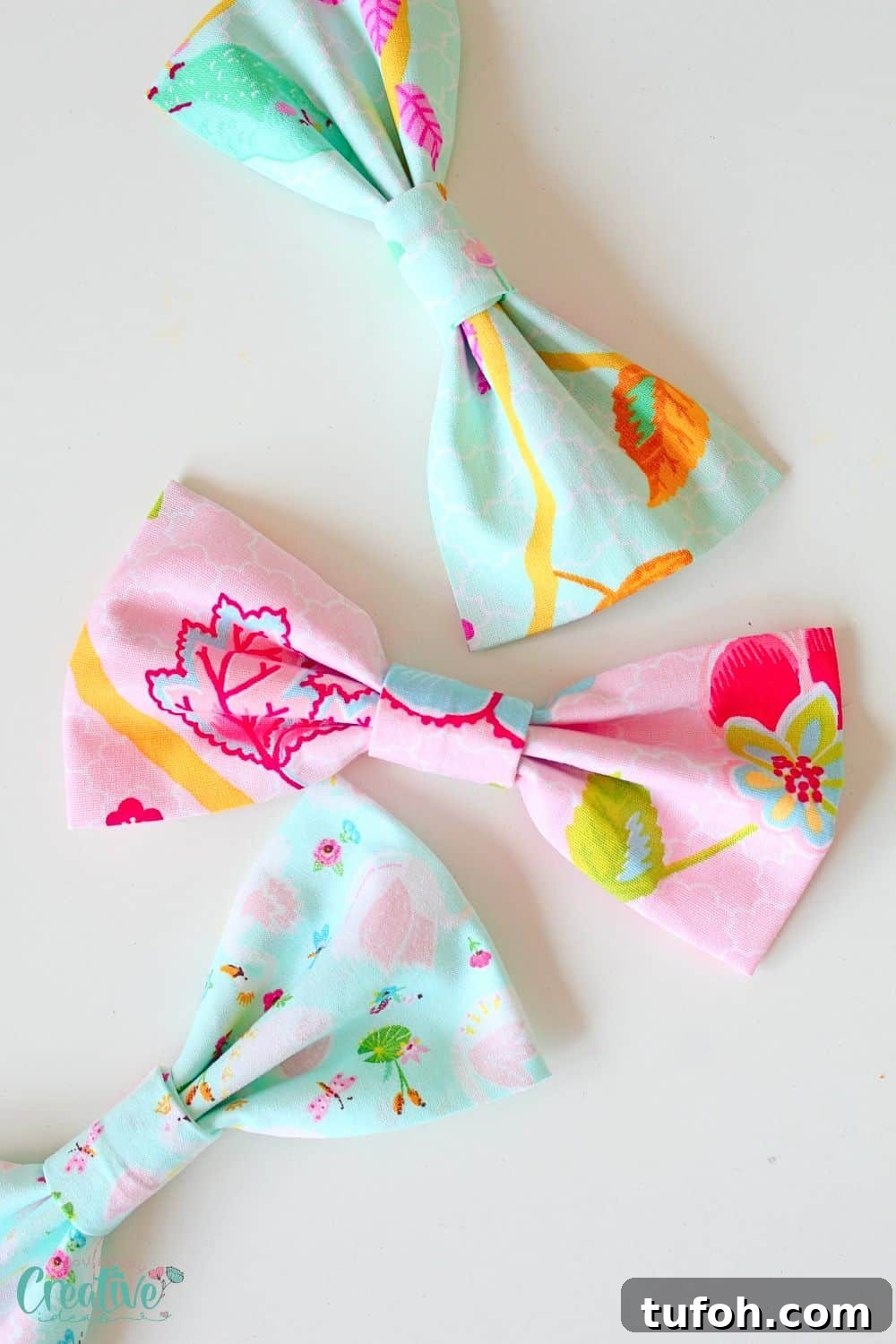
Add finishing touches
Small details elevate your bow. Consider decorative center embellishments like a cluster of beads, a small button, or a rhinestone for sparkle. You can also add a charm or a contrasting fabric wrap for visual interest. Secure any embellishments with thread or fabric glue and test that attachments are firmly sewn if the bow will be handled frequently.
Where can I use these fabric bows?
Fabric bows are versatile. Use them to finish a gift box, adorn hair clips, barrettes, or headbands, decorate clothing and handbags, or add accents to pillows, curtains, and picture frames. They work well in floral arrangements and centerpieces, sewn onto quilts or wall art, or crafted into brooches, keychains, and shoe clips. With different fabrics and sizes, bows can suit formal, casual, or playful designs.
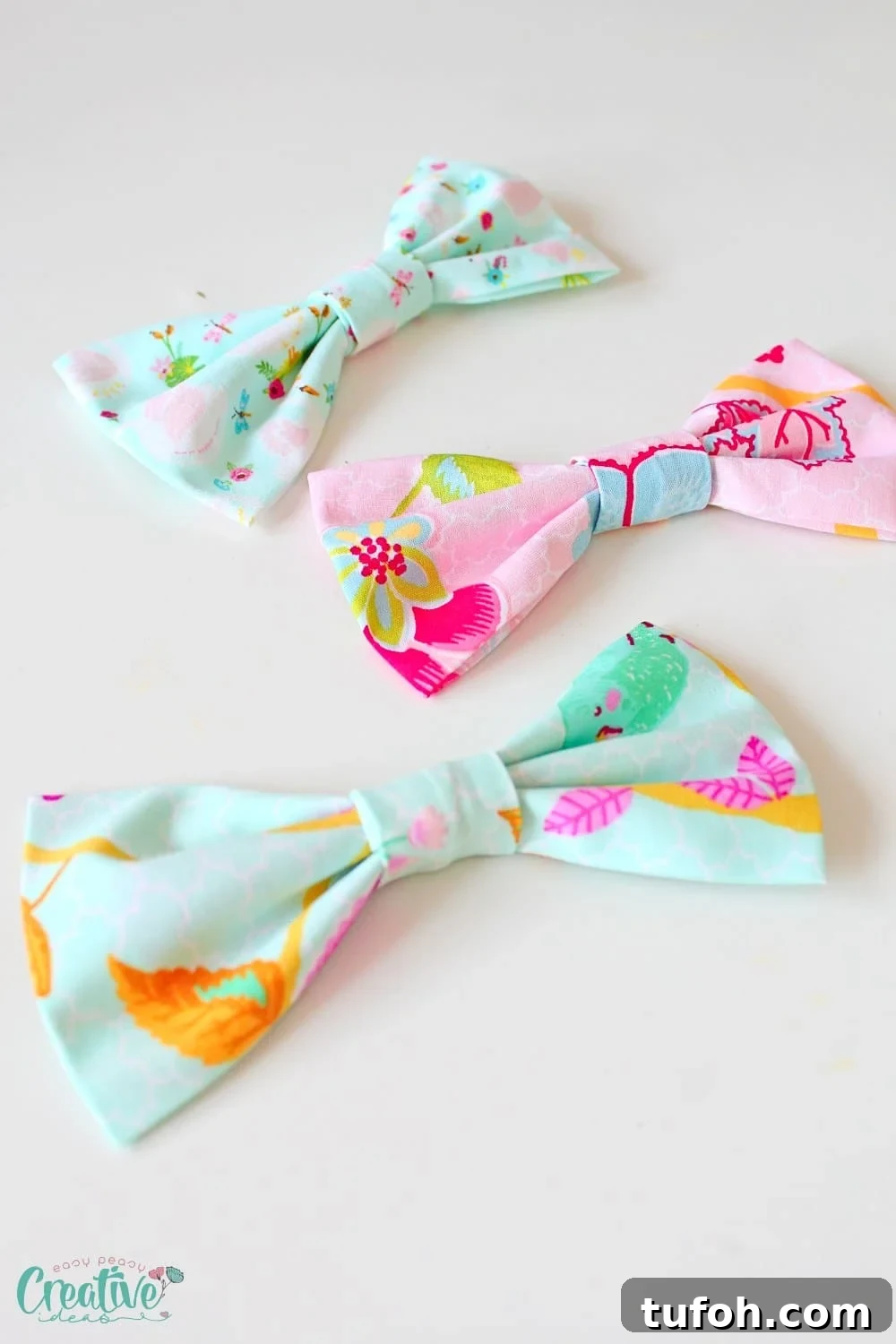
Materials needed to make a fabric bow
Gather the following supplies before you start:
- Main fabric: rectangular scrap (example: 12″ x 6″ for a standard bow)
- Center tie fabric: smaller rectangle (example: 4″ x 2½”)
- Scissors
- Pins or quilting clips
- Matching thread and needle (hand needle and/or sewing machine)
- Ruler or seam gauge and fabric marker
- Pressing iron
- Optional: fabric glue or hot glue for securing small openings or embellishments
Adjust fabric amounts according to the desired bow size. For most standard bows, a 12″ x 8″ piece is ample; reduce or enlarge as needed. Choose thread close to the fabric color for invisible stitches, or contrast for decorative topstitching.
How to make a bow out of fabric
- Measure and cut the main rectangle for your bow and a smaller rectangle for the center tie. Allow seam allowances on each edge.
Make the tubes
- Fold each rectangle lengthwise with right sides together so the long raw edges align.
- Pin or clip, then sew the long raw edge with a 1/4″ seam allowance to make a tube.
- Turn the tubes right side out and press flat. For the small center tube, fold and press the raw ends inside, then close the openings with a few hand stitches, fabric glue, or a ladder stitch to prevent fraying.
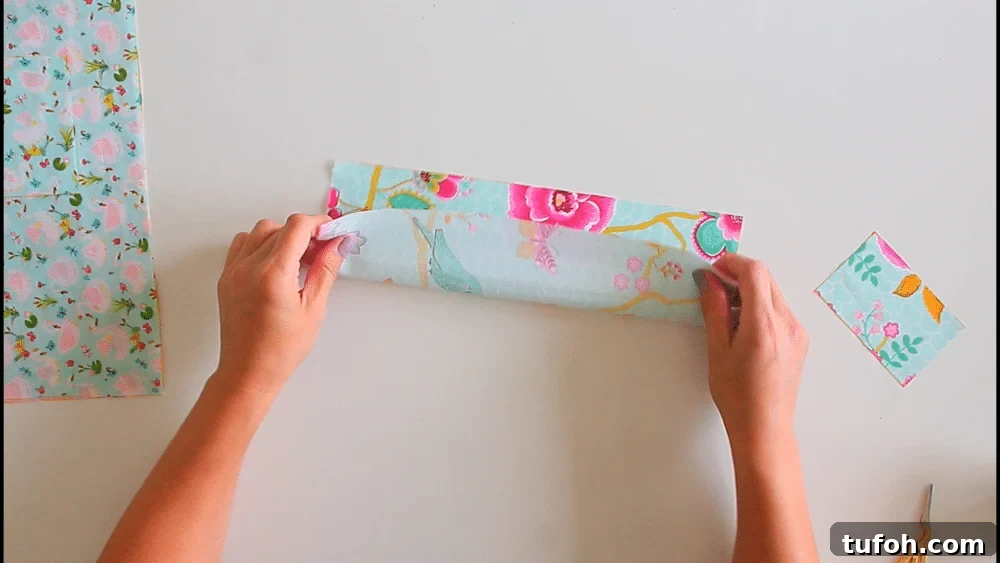
- Position the seam in the middle of the tube and press to create a neat finish.
Make the bow
- Fold the larger pressed tube in half with the seam on the outside and align the raw ends.
- Sew the raw ends together with about a 1/4″ seam allowance to form a circle.
- Open that seam, press it flat, then turn the circle right side out so the seam lies inside the circle.
- Press the circle again so the seam is tucked toward the center. Pinch the center of the circle to form an accordion shape and secure with pins or quilting clips.
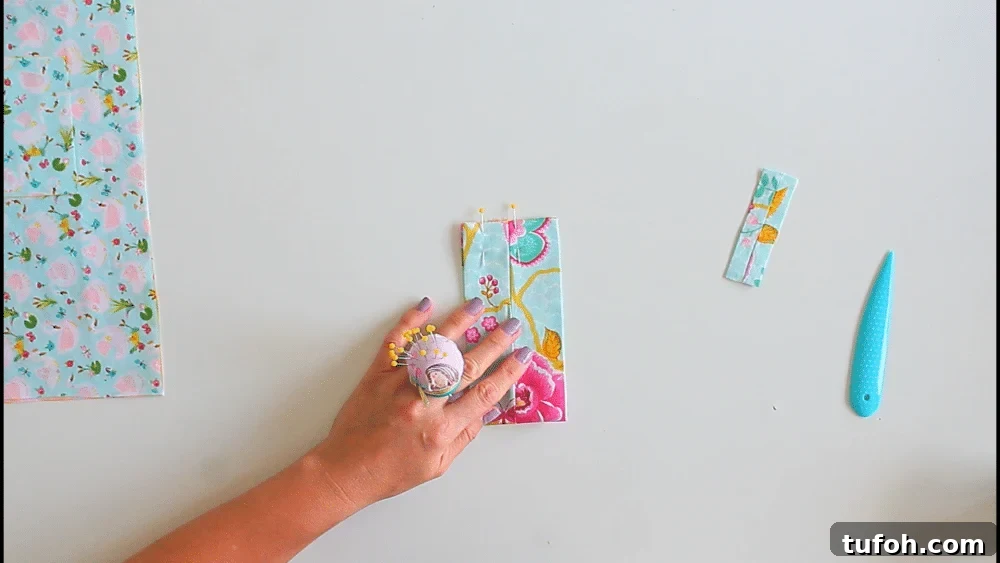
Sew the tie
- Wrap the smaller center tube around the pinch to hold the bow shape. Position the tie ends at the back of the bow.
- Secure the tie by hand sewing the overlapping ends together or using a few hot glue spots. Add a couple of stitches to attach the tie to the back of the bow so it remains stable during use.
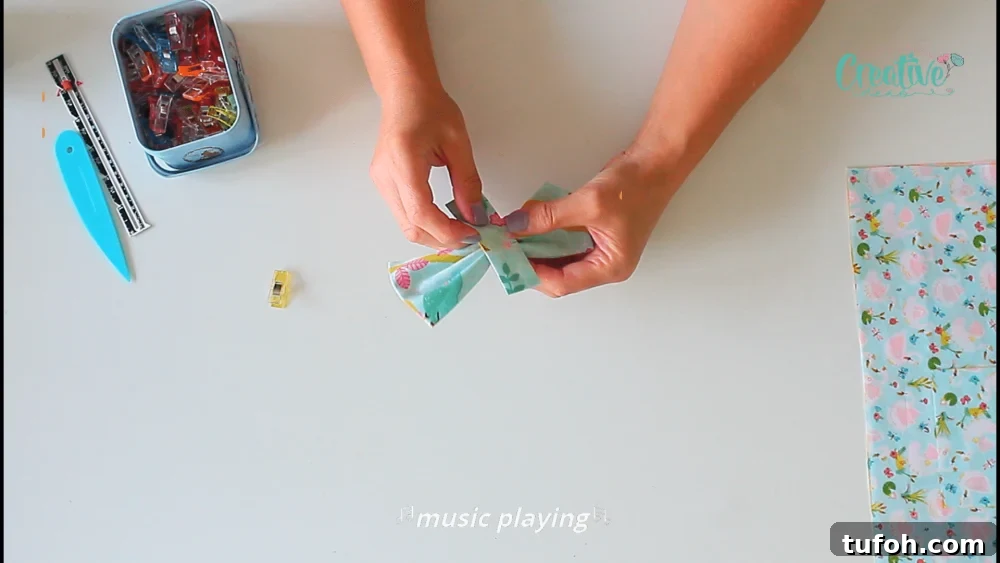
Step back and admire your bow. Use it on hair clips, bags, gifts, or home projects. Once you master this basic technique, experiment with different fabrics, sizes, and center treatments to create bows for every season and style.
Pin to save for later
Most popular sewing projects:
- Tips for sewing a round hem
- Corded bag handles
- Flutter sleeve dress pattern
- How to laminate cotton fabric