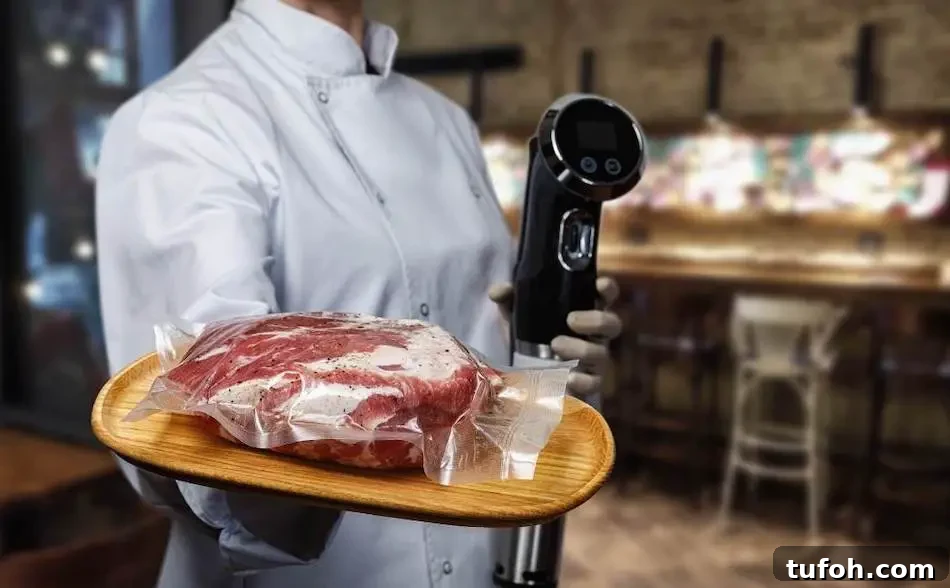
I enjoy blending culinary techniques, and few combinations are as rewarding as pairing French sous-vide with classic barbecue. Combining gentle, precise sous-vide cooking with traditional smoking produces exceptionally tender, flavorful pork. I experimented by smoking portions of a pork butt (pork shoulder) and finishing others in a sous-vide bath. The result: sous-vide can both elevate freshly smoked pork and revive smoked leftovers to near-original quality.
There are several effective approaches. You can smoke the pork first and finish it in a sous-vide bath, sous-vide it first and finish with smoke, or fully smoke the shoulder and later reheat it sous-vide for consistent, juicy results.
Key Points
- Combining sous-vide and traditional barbecue can be done by smoking then sous-viding, sous-viding then smoking, or smoking then reheating sous-vide.
- Sous-vide cooks meat precisely at a low, steady temperature for long periods, preserving moisture and texture.
- Sous-vide requires vacuum-sealed packaging and a controlled water bath; you can also use zip-lock bags and careful temperature monitoring if you don’t have specialized gear.
- Typical sous-vide temperature for pork shoulder is 160°F to 175°F, with cook times ranging from 12 to 30 hours depending on desired tenderness.
- Choose the approach that fits your schedule and flavor goals: firm slices or fall-apart pulled pork.
Why Sous-Vide?
Sous-vide (pronounced “sue-veed”) is prized for temperature precision. By maintaining a stable, low temperature for many hours, sous-vide prevents drying and overcooking. This steady low-and-slow heat is ideal for transforming fatty, connective-tissue-rich cuts like pork shoulder into tender, juicy meat.
What is Sous-Vide Cooking?
The term “sous-vide” means “under vacuum.” In practice, you seal food in a bag, remove the air, and submerge it in a temperature-controlled water bath for hours or days. Once reserved for restaurant kitchens, sous-vide has become increasingly popular for barbecue because it delivers reliably tender, evenly cooked results.
The Two Methods
| Method | Description |
|---|---|
| Smoke first, finish sous-vide | Develop smoke flavor and bark in the smoker, then seal and finish gently in a water bath for consistent tenderness. |
| Sous-vide first, finish in smoker | Cook to tenderness in the water bath, then briefly smoke to add bark and smoky flavor without risking dryness. |
How To Cook Smoked Sous-Vide Pork Shoulder
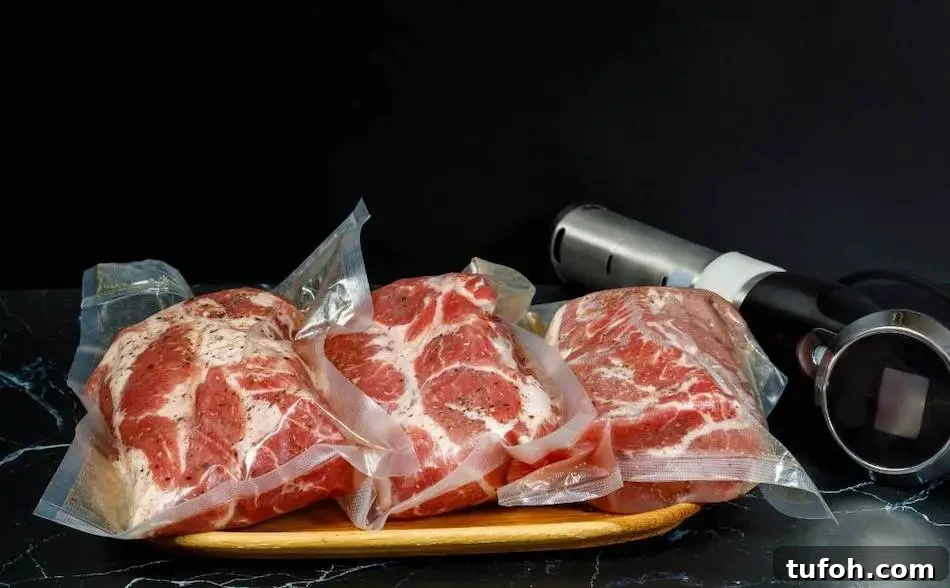
The simplest setup uses a vacuum sealer and an immersion circulator. If you don’t own these, you can still sous-vide using heavy-duty zip-lock bags, a pot of water, and a reliable thermometer. Below are guidelines for both equipped and improvised methods.
Sous-Vide Temperature and Time
For pork shoulder, set the sous-vide bath between 160°F and 175°F. Cook 12 to 30 hours depending on texture: around 12 hours for firm, sliceable meat; longer (18–30 hours) for pull-apart tenderness. Achieving an internal finish temperature of about 200°F in the final step is common when aiming for fully rendered, shreddable pork.
Smoked Sous-Vide Pork — Can It Be Done?
Yes. The main approaches are:
- Partially smoke, then finish sous-vide.
- Partially sous-vide, then finish in the smoker for bark and smoke flavor.
- Smoke fully, cool, vacuum-seal, and reheat sous-vide to restore juiciness.
| Parameter | Value |
|---|---|
| Standard sous-vide temperature | 160°F to 175°F |
| Cooking time | 12 to 30 hours depending on desired tenderness |
| Methods | Smoke then sous-vide; sous-vide then smoke; or smoke then reheat sous-vide |
How To Sous-Vide Smoked Pork Shoulder (Pork Butt)
If you’re comfortable smoking pork butt, one easy path is to sous-vide first and finish in the smoker. The reverse—smoke first, then sous-vide—yields very deep smoke flavor and a better bark but requires careful timing to reach ideal internal temperatures.
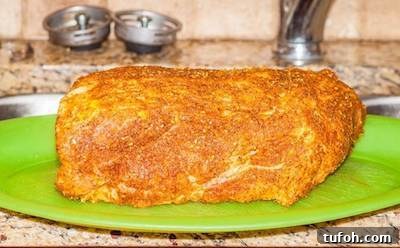
A typical smoke-then-sous-vide workflow: smoke the shoulder to develop bark and smoke absorption, vacuum-seal the meat, then finish in a sous-vide bath until fully tender.
Method 1: Smoke, Then Sous-Vide
Smoking first develops the best flavor and bark. The challenge is bringing the internal temperature to the final, tender range without losing moisture. Below is a practical recipe-style overview.
Smoked Pork Butt, Finished Sous-Vide
10 minutes
10 hours 8 seconds
10 hours 10 minutes 8 seconds
Ingredients
- Pork butt
- Pork rub
- Yellow mustard or olive oil
Instructions
Apply the rub. Use a pork-friendly barbecue rub—many blends include brown sugar for sweetness. Simple salt-and-pepper also works well.
Apply a binder. Optional: rub a thin coat of yellow mustard or olive oil on the meat to help the seasoning adhere.
Fire up your smoker. Preheat to about 250°F–275°F.
Choose smoking wood. Fruit woods like apple, cherry, or pecan complement pork. Use hickory sparingly if you prefer a milder profile.
Smoke the pork. Place the shoulder in the smoker and leave it to absorb smoke for the first few hours—this develops flavor and bark.
Develop the bark. Over 3–4 hours the exterior will dry and form a crust from rub and smoke. Watch for the rub to set and begin to crack gently.
Spritz the pork. After bark begins to form, spritz every 30 minutes with apple juice, apple cider vinegar, or beer to encourage smoke adhesion and moisture balance.
Remove the pork from the smoker. After 4–5 hours the bark should be set and internal temperature often reaches about 150°F–160°F.
Seal the pork butt. Place the meat in a vacuum bag and remove air with a sealer. If you lack a vacuum sealer, use a large zip-lock bag and the water-displacement method to expel air before sealing.
Sous-vide the pork butt. Place the sealed pork in the water bath. Set the sous-vide controller to 160°F (or maintain between 160°F–175°F) and cook until the meat reaches the desired tenderness—often checked by pulling the roast or reaching an internal target (for shreddable pork a finished internal temp around 200°F equivalent tenderness is typical).
Monitor temperature. If you have a wireless probe that can be inserted before sealing, use it to track internal temp. Otherwise rely on time and experience to judge doneness.
Method 2: Sous-Vide, Then Smoke
- Apply the rub. Season with a pork rub or a simple 50/50 mix of kosher salt and coarse black pepper.
- Vacuum seal the pork. Use a vacuum sealer or the zip-lock water-displacement method.
- Set sous-vide temperature. Aim for 160°F in the water bath.
- Sous-vide the pork. Cook overnight (8–10 hours) or longer, experimenting to dial in your preferred texture. A waterproof probe like MeatStick helps track internal temp if desired.
- Finish in the smoker. Preheat the smoker to about 225°F so the pork can absorb smoke without overcooking.
- Add rub and binder. Remove the pork from the bag, reapply rub if desired, using olive oil as a binder.
- Smoke for flavor and bark. Wait for steady smoke before placing the meat in the smoker; use fruit woods or pecan for a complementary profile.
- Monitor temp and spritz. Insert an instant-read probe and spritz every 30 minutes to slow the cook and increase smoke uptake.
- Cook until ready. Smoke until the internal temperature reaches around 200°F or the meat pulls easily.
- Rest before serving. Allow 30–60 minutes to rest so juices redistribute, or hold the roast warm in a dry cooker until serving.
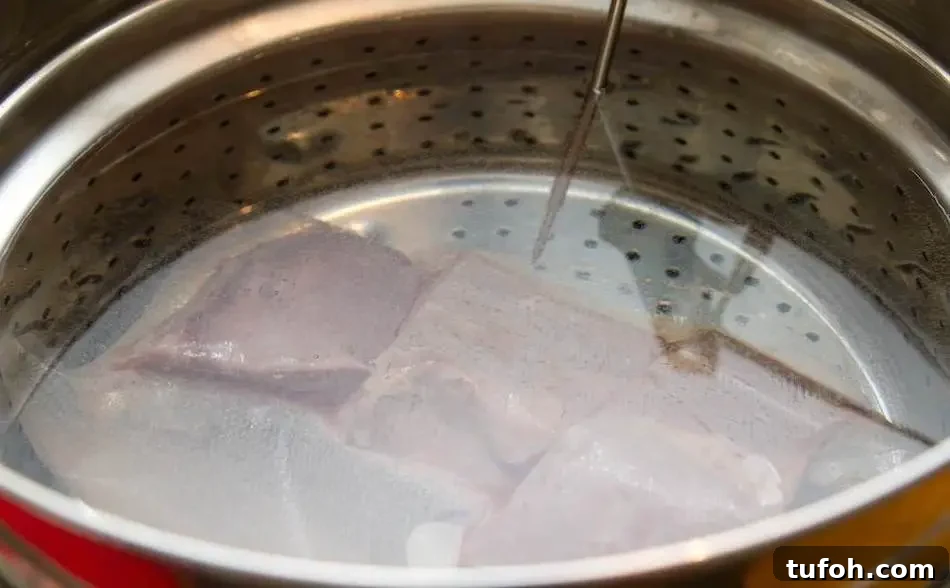
Method 3: Smoke Pork Butt, Then Reheat Sous-Vide
Sous-vide is an excellent technique to restore previously smoked pork to its original tenderness and moisture. This method closely recreates the fresh-from-smoker texture while making reheating foolproof.
- Smoke the pork butt as usual. Follow your preferred smoking process to fully cook and develop bark.
- Cool and vacuum-seal. After the roast cools, vacuum-seal and refrigerate. Vacuum sealed pork keeps for about two weeks in the fridge or months in the freezer.
- Set sous-vide temperature. For reheating, set the water bath around 150°F.
- Reheat in the bath. Place the sealed roast in the water bath; slowly bring it back to serving temperature. Typically this takes about 90 minutes to heat through to 150°F internal.
- Verify and serve. Confirm internal temperature with an instant-read thermometer, then slice or shred and serve.
About the Pork Butt – How To Choose A Good Shoulder Roast
Pork butt (Boston butt) is a well-marbled shoulder cut with abundant fat and connective tissue, which makes it ideal for low-and-slow cooking. Slow heat renders the fat and collagen into gelatin, producing juicy, tender meat. Tough cuts like this must be cooked slowly—generally between 225°F and 250°F—to break down connective tissue without drying the meat.
Shoulder roasts are fairly forgiving compared with leaner cuts; the fat content protects against drying during temperature fluctuations. To help retention of moisture and flavor, you can salt the pork the night before or several hours before cooking to allow the seasoning to penetrate. Apply rub about 30 minutes before smoking so the spices can begin to adhere and flavor the surface.
Sous-Vide Equipment
Specialized sous-vide gear simplifies the process. A vacuum sealer and an immersion circulator (or water oven) are the primary appliances that make sous-vide convenient and reliable. If you prefer not to invest, heavy-duty zip-lock bags, a pot, and a good thermometer will still let you achieve great results with careful monitoring.
| Equipment | Description |
|---|---|
| Vacuum sealer and sous-vide machine | Easiest and most consistent method |
| Plastic zip-lock bags, pot of water, and meat thermometer | Workable without specialized tools |
Sous-Vide Machines – Immersion Circulators and Water Ovens
Two common types of sous-vide devices are water ovens and immersion circulators. Water ovens are larger, while immersion circulators are compact and versatile, fitting many containers. Immersion circulators typically range from around $100 to $300 and provide precise, efficient temperature control.
Vacuum Sealers
Vacuum sealers remove air from the bag, preserving texture and preventing float during the bath. They also extend storage life for cooked and smoked meats. If you plan to sous-vide regularly, a vacuum sealer is a worthwhile investment.
My Favorite Meat Smoking Tools
Remote Digital Thermometer: A remote “leave-in” thermometer is essential for low-and-slow cooking. Models with two probes let you monitor both pit and meat temperatures simultaneously.
Instant Read Thermometer: Fast and accurate instant-read thermometers are invaluable in the final stages of cooking to check internal temperature in multiple spots.
Wi-Fi Thermometer: For hands-off monitoring while you’re away from the smoker, a Wi-Fi-capable thermometer provides remote status and alerts so you can manage long cooks with confidence.