Driving home at the start of summer feels invigorating. The air smells clean, hedgerows are weighty with white blossoms, and fields glow with a pale wash of yellow while the deep green waits a few more days to take over.
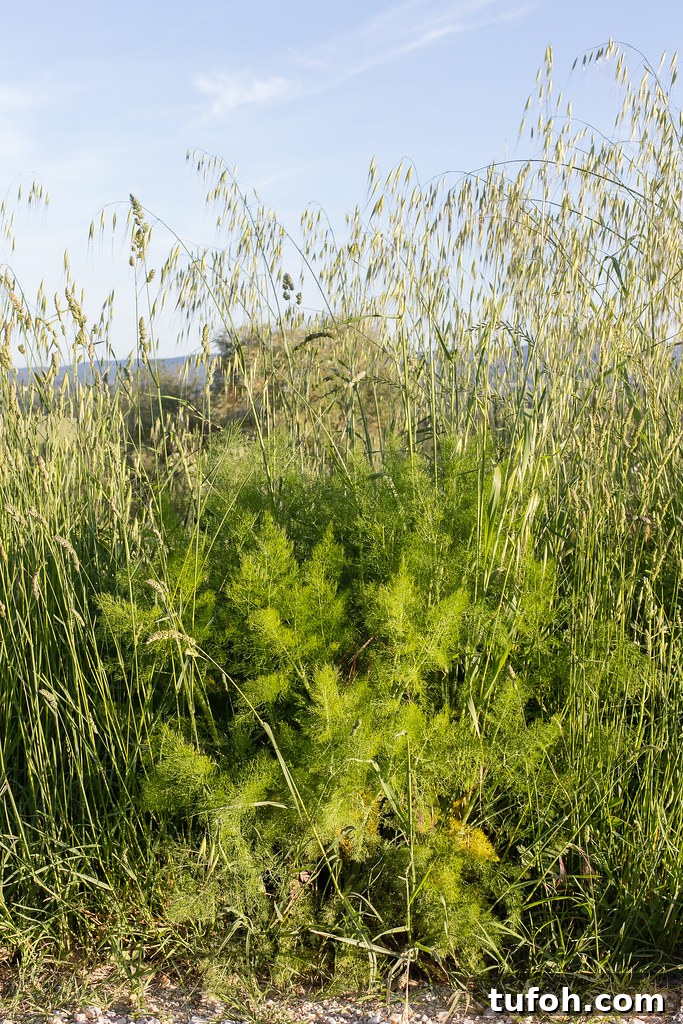
From a distance you can spot wild fennel along country lanes. It often grows with poppies, mint and other herbs that would be lovely in salads or soups. Foraging a few sprigs for a meal brings a simple, primal pleasure. Even when supermarkets and farmers’ markets are readily available, nothing quite beats stepping outside the gate and picking fennel fronds for dinner, while trying to prevent the dog from pulling you toward an intriguing scent.
Wild fennel is the wilder cousin of the cultivated plant, sharing that unmistakable anise aroma of the market-bought sweet bulbs.
In Tuscany the feathery wild fennel fronds play a supporting role in the kitchen, while fennel seeds are far more commonly used. Finocchiona, the crumbly cured salami that represents Florence, owes its name and character to fennel seeds. The seeds are also used to season pork chops and potatoes stewed in tomato sauce. Fennel takes center stage with pork liver, where dried fennel stalks are used as skewers for pieces of liver wrapped in fat and heavily seasoned with salt and fennel seeds. The anise notes balance the richness and slight sweetness of the liver.
Grandma collected fennel seeds her whole life and hardly paid any attention to the lacy leaves that line the roads. Yet wild fennel has long been valued across the Mediterranean not only for its culinary uses but also for its medicinal properties and benefits.
Fennel pollen is especially prized. Each delicate umbrel contains only a tiny amount, so collecting pollen requires patience. It’s expensive to buy, but in Tuscany you’ll now find fennel pollen used instead of seeds in some high-end charcuterie, including the finocchiona produced at small local farms.


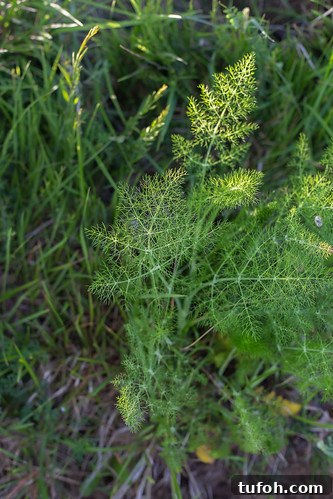
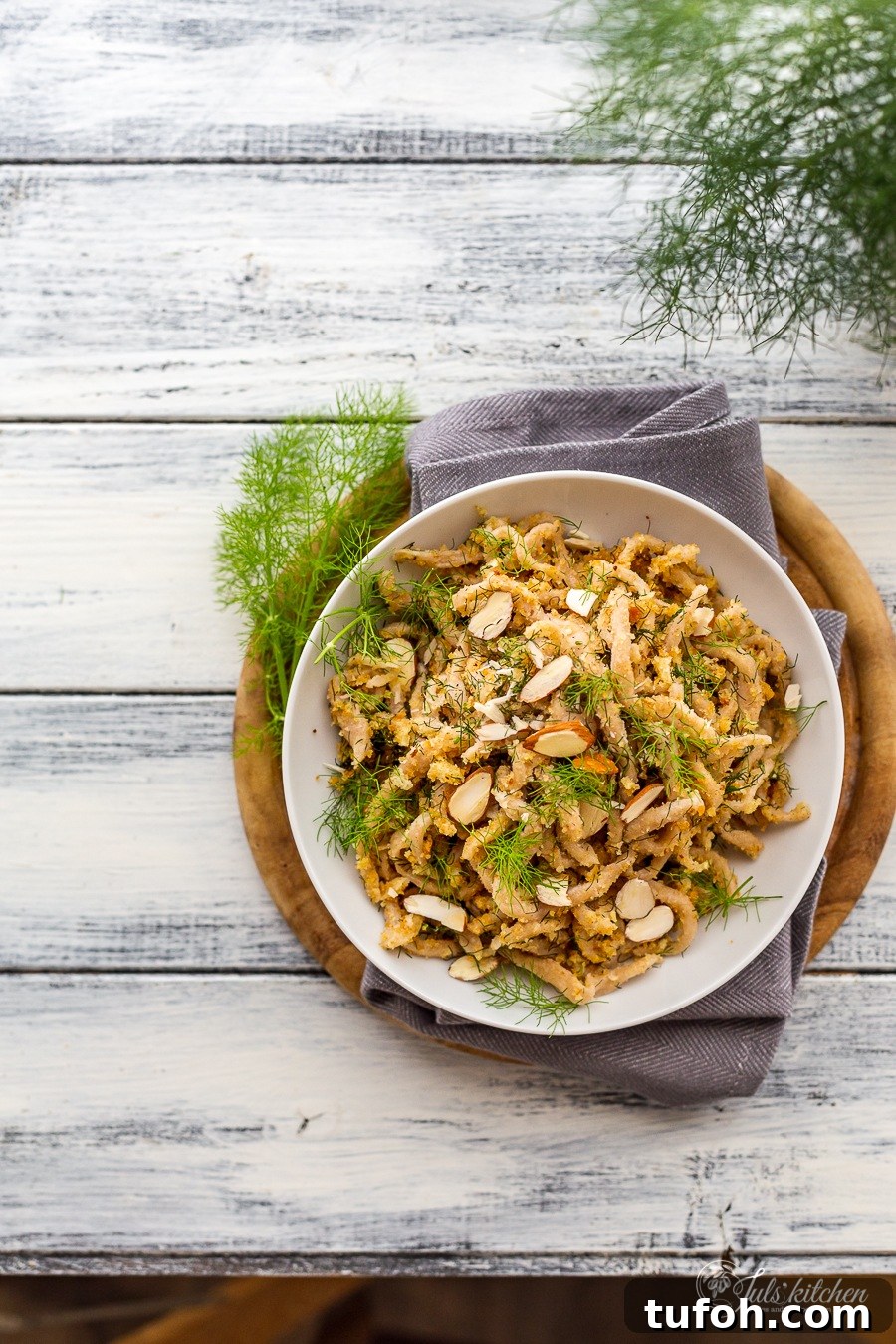
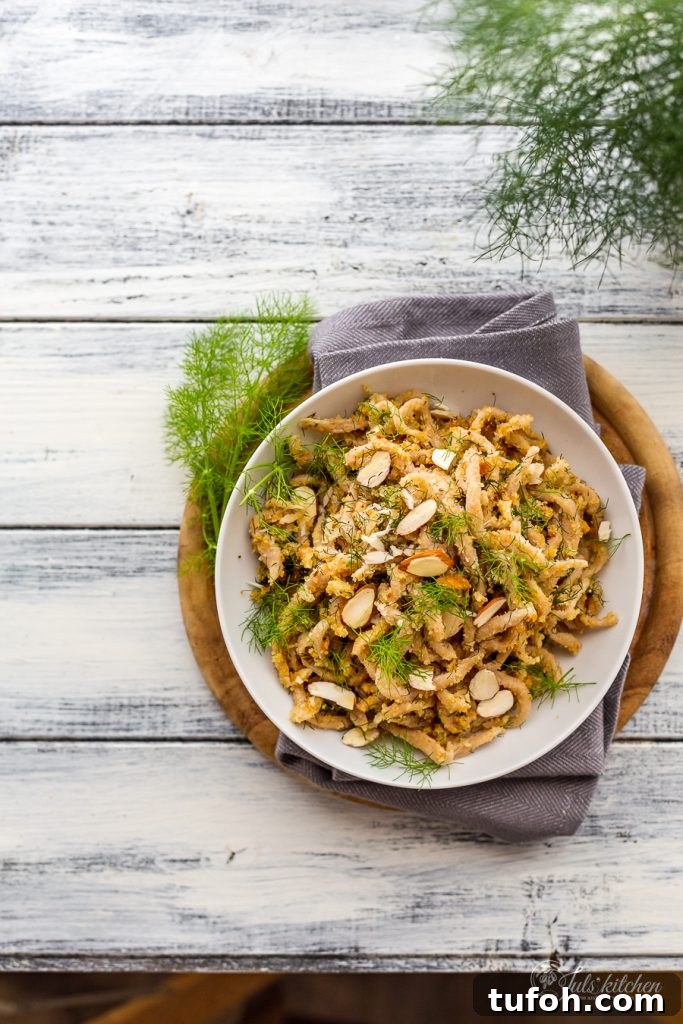
A few years ago my father tried pici—thick homemade spaghetti—in Val d’Orcia that were flavored with wild fennel fronds, and he’s been asking for a similar dish ever since. Pici are traditionally served in several ways: all’aglione, with a rich tomato and garlic sauce; cacio e pepe, a simple creamy dressing of grated pecorino, starchy cooking water and black pepper; and con le briciole, literally with breadcrumbs.
Those breadcrumbs, quickly fried in good olive oil, become something fresh and seasonal when brightened with a handful of fennel fronds.
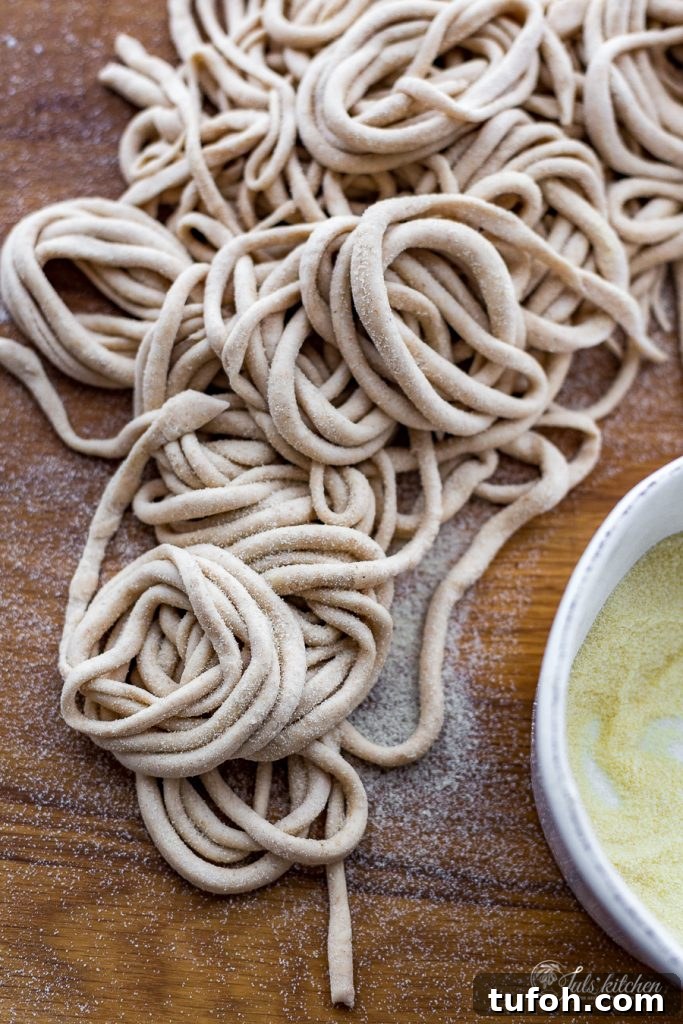
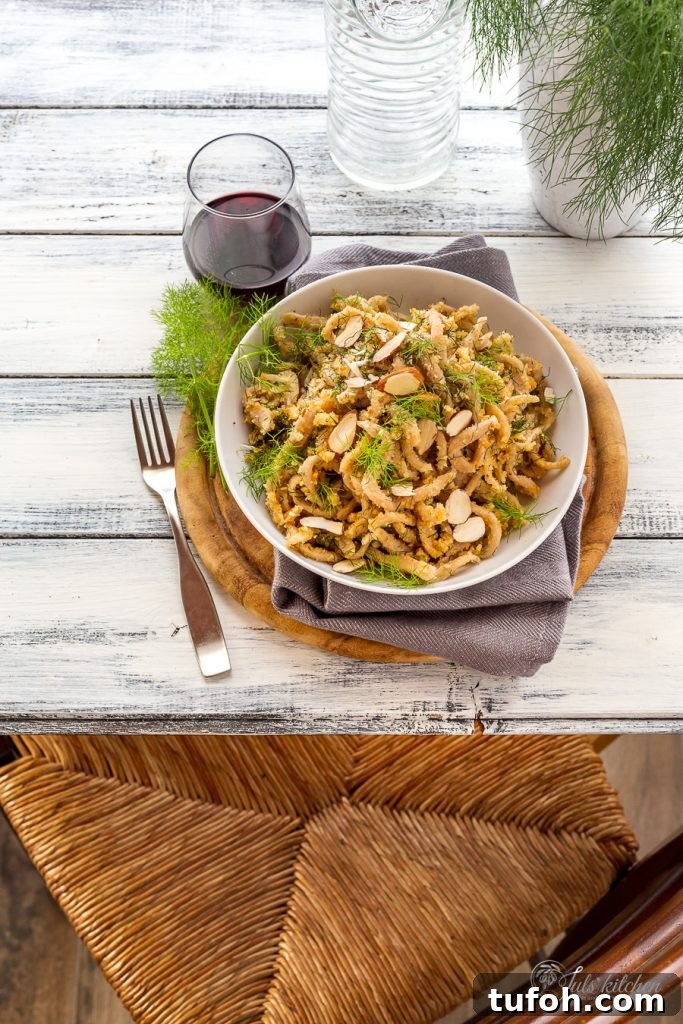
Pici con le briciole e finocchietto – Pici with breadcrumbs and wild fennel
I learned to make pici from friends at Agriturismo il Rigo. For best results, use homemade breadcrumbs—collect stale bread and grind it into crumbs when you have enough. Homemade crumbs let you choose coarseness: fine for coatings, coarse for stuffings and rustic dishes like this one.
A little lemon zest, an anchovy melted in olive oil, or a tablespoon of chopped capers can shift this dish towards Sicilian flavors, but the classic version with fried breadcrumbs and fennel fronds is a beautiful expression of Tuscan simplicity.
Pici with breadcrumbs and wild fennel
Giulia
Ingredients
Ingredients for the pici
- 250 g of water
- 1 tablespoon of extra virgin olive oil
- 1 pinch of salt
- 500 g of stone-ground wheat flour
- Semolina flour and corn flour for dusting the pici
Ingredients to serve the pici
- 8 tablespoons of coarse breadcrumbs
- 4 tablespoons of extra virgin olive oil
- 1 clove of garlic
- Salt
- Black pepper
- Wild fennel fronds
- 1 tablespoon of shaved almonds
- Aged Tuscan pecorino
Instructions
-
Pour the water into a large bowl with the olive oil and salt. Add the flour gradually, stirring with a fork.
-
When the dough becomes too firm to mix with the fork, turn it onto a wooden board and knead by hand until smooth and matte. Add a little more flour if sticky or a touch more water if needed. Let the dough rest covered on the board for about 30 minutes.
-
Roll the dough to about half a centimeter thick. Brush with olive oil so it doesn’t dry out; you don’t need extra flour or it will toughen.
-
Cut the dough into strips about a centimeter wide and roll each into a pici, like play-dough worms—kids are great at this.
-
Keep a bowl of semolina and corn flour nearby and dip each picio as you go, then coil it around your hand and place on a tray.
-
Prepare the breadcrumbs: heat the olive oil in a pan with a smashed clove of garlic, add the breadcrumbs and fry until golden. Stir in roughly chopped wild fennel fronds, season with salt and pepper, then remove from the heat.
-
Cook the pici in generously salted boiling water for 5–6 minutes. Toss the drained pici with the fennel breadcrumbs, sprinkle with shaved almonds and grated pecorino to taste, and serve immediately.
Order now Vegetables the Italian WayWith more than 70 seasonal recipes, it celebrates the instinctive, resourceful spirit of Italian home cooking. ORDER NOW!
Link love
Further reading about wild fennel and foraging can be found in various articles and food blogs that explore its uses, history and recipes that highlight this aromatic herb.